

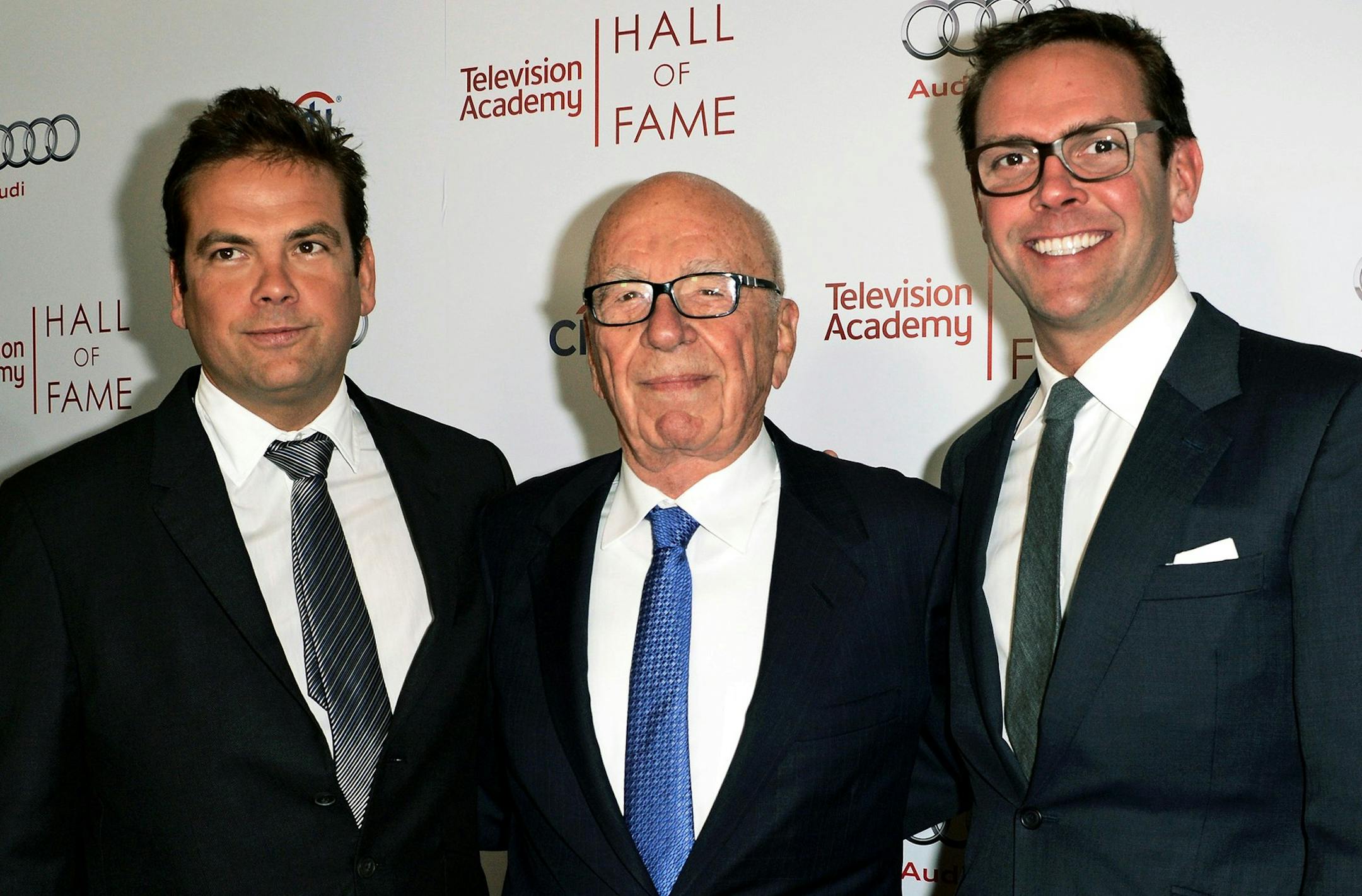
The only media mogul still bestriding his industry in old-fashioned style is used to being a predator rather than prey, a builder of empires, not a dismantler of them. So Rupert Murdoch's reported willingness to sell off much of 21st Century Fox, whether to a rival such as Disney or to a distribution firm like Comcast or Verizon, has come as a shock to many.
It should not.
If Fox does follow through with selling the assets — its film and TV studio, its stake in Sky, a European satellite broadcaster, and many of its cable networks — it may well be remembered as one of his cleverest moves. Murdoch would have correctly judged a shifting media and regulatory landscape and sold high (perhaps for $50 billion or more).
He would retain lucrative assets in news and sports broadcasting, notably Fox News Channel, which could serve as the base for a new fief of a different sort. Murdoch would also retain plenty of political sway through his newspaper businesses, housed at separately listed News Corp.
Three powerful trends explain why it makes sense for him to contemplate retreat. First, the entertainment businesses the family would be exiting are in secular decline (Murdoch admits that the newspaper business is similarly afflicted). In the U.S., viewership of traditional pay-TV has been falling since 2010.
Providers saw combined subscription losses of more than half a million customers per quarter in five of the past nine quarters. Younger viewers especially are "cutting the cord": about six in 10 of those aged 18 to 29 say the primary way they watch television is via streaming services delivered over the internet. Nor are they going to the movies much: this summer's box office was the weakest in 25 years for tickets sold. Viewing habits are not just changing fast, they are doing so in unexpected ways: according to new data from Netflix, 12 percent of Americans who watch television shows or films outside the home admit to having done so in a public lavatory.
Going for scale
To have any hope of competing, scale is vital. This is the second big feature of the media landscape. Companies such as Facebook, Amazon, Netflix and Google (with YouTube) are investing heavily to seize consumers' attention and money. Disney, which has a market capitalization of $155 billion, has lots of clout because of its premium film franchises: "Star Wars," Marvel and its animated blockbusters. Last year it had all of the top five films at the global box office.
Fox does not measure up: its best entertainment network, FX, is losing viewers, it owns only a few stellar franchises, like X-Men, and its film studio ranks fourth with 12.6 percent of the U.S. box office this year. Even for those Fox assets that are growing strongly, such as Star India, the writing seems to be on the wall.


