

In an impromptu speech to a crowd that gathered outside the White House on George Washington's Birthday in 1866, President Andrew Johnson rambled on for more than an hour, referred to himself 210 times (a rate of about three times per minute), and said Republican lawmakers Charles Sumner and Thaddeus Stevens were at least as treasonous as the leaders of the just-defeated Confederacy.
A few days earlier, when a delegation of black leaders led by Frederick Douglass came to visit, Johnson had told them that poor whites, not blacks, had been the real victims of slavery in the South. After Douglass left, Johnson launched into an off-color, racist tirade about him to an aide.
Does any of this sound an eensy-weensy bit reminiscent of some recent presidential statements?
The political turmoil of the past couple of years has sent people grasping for all sorts of historical parallels. I've seen references to 1930s Germany, 1960s China, 2000s Russia — and of course, as always, ancient Rome.
But if historical analogies are your thing, you can't do better right now than to spend some time learning about the U.S. from the end of the Civil War to the late 1890s.
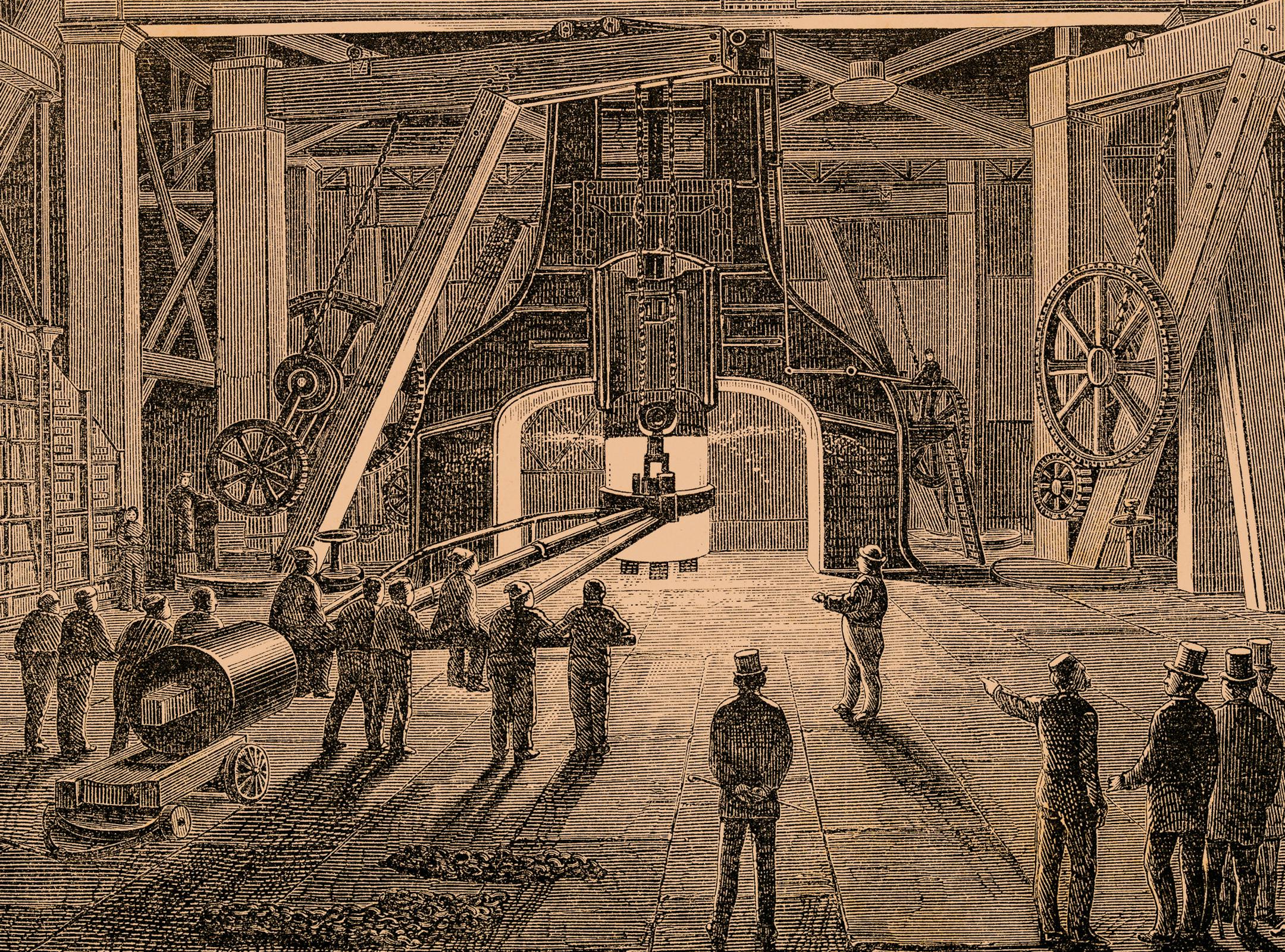
Johnson's Donald Trump-like logorrhea was the least of it. The era that followed Johnson's departure from office in 1869, widely known as the Gilded Age, was a time of exploding economic inequality, stagnant living standards, growing concern about monopolies, devastating financial crises, multiple "wave" elections in which control of Congress suddenly shifted, two presidential elections in which the popular-vote winner came up short in the Electoral College, brazen political corruption, frequent pronouncements that the American republic was doomed and seemingly unending turmoil over race and national identity.
That all sounds familiar! And even if you think it can be silly to fixate on historical parallels, the late 1800s seem worth knowing more about simply because so many of the great conflicts from then live on in altered but recognizable form today.
So it's pretty great timing that, along with that No. 1 bestselling Ron Chernow biography of Ulysses S. Grant, whose presidency ushered in the Gilded Age, there's also a gigantic new history of the entire era, "The Republic for Which It Stands: The United States During Reconstruction and the Gilded Age, 1865-1896," by Richard White. It's where the above anecdotes about Andrew Johnson come from, along with another 871 pages of richly detailed history.


