

Star Tribune opinion editor's note: As this article was published, jurors in the Kyle Rittenhouse case were beginning a third day of deliberations.
•••
I've spent the last couple of weeks riveted by the murder trial of Kyle Rittenhouse, the white teenager who shot and killed two people and injured a third during a night of Black Lives Matter protests and civil unrest in Kenosha, Wis., last year.
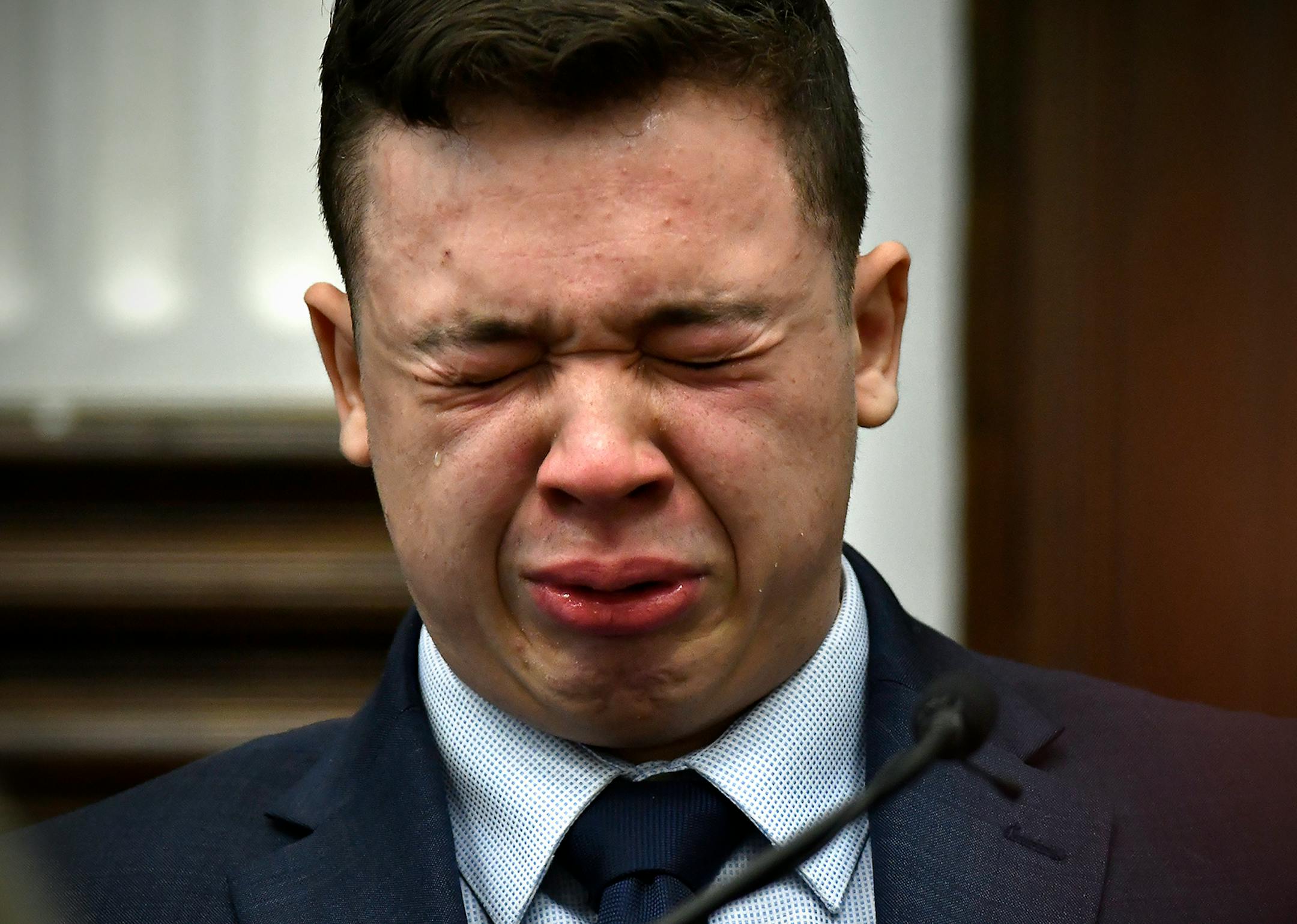
It was a turbulent case. For many days the prosecution was on the ropes — some of the state's witnesses seemed to bolster the defense's case that Rittenhouse acted in self-defense, while the crotchety judge frequently sided with the defense and blew up at prosecutors. After Rittenhouse began sobbing on the stand last week, it looked as if he would be certain to walk.
But on Monday, the lead prosecutor, Thomas Binger, offered a meticulously documented closing argument that deftly summarized all the ways Rittenhouse acted unlawfully. We'll see if the jury buys it, but to me Binger's argument had a power beyond this case.
That's because it cleverly unraveled some of the foundational tenets of gun advocacy: That guns are effective and necessary weapons of self-defense. That without them, lawlessness and tyranny would prevail. And that in the right hands — in the hands of the "good guys" — guns promote public safety rather than destroy it.
In the Rittenhouse case, none of that was true. At every turn that night, Rittenhouse's AR-15-style semi-automatic rifle made things worse, ratcheting up danger rather than quelling it. The gun transformed situations that might have ended in black eyes and broken bones into ones that ended with corpses in the street. And Rittenhouse's gun was not just a danger to rival protesters. According to his own defense, the gun posed a grave threat to Rittenhouse himself — he said he feared being overpowered and then shot with his own weapon.
This is self-defense as circular reasoning: Rittenhouse says he carried a rifle in order to guarantee his safety during a violent protest. He was forced to shoot at four people when his life and the lives of other people were threatened, he says. What was he protecting everyone from? The gun strapped to his own body, the one he had brought to keep everyone safe.


