

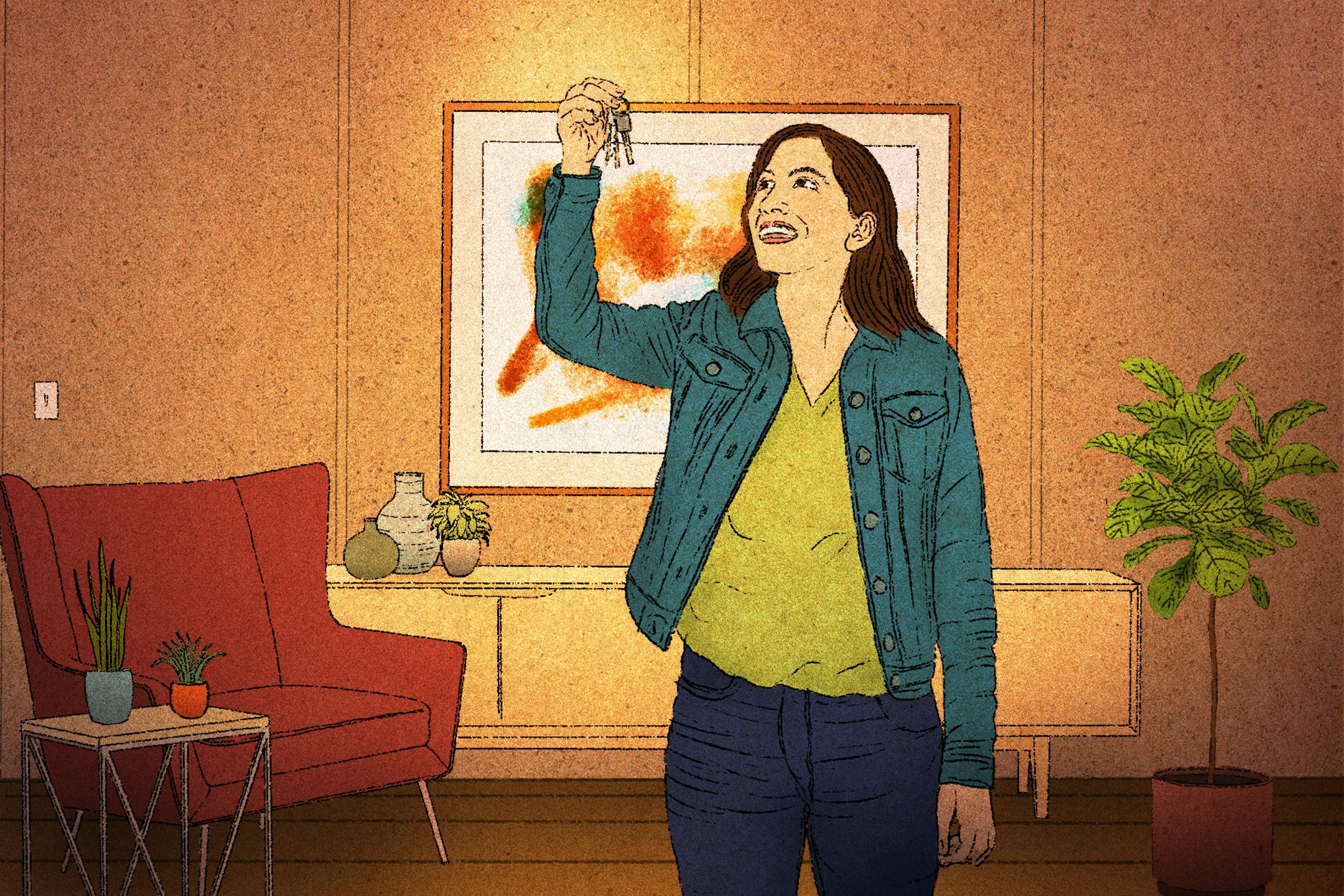
“Where are those darn keys? I just had them!” If you find yourself losing things often, there are strategies for how to stop.
Daniel L. Schacter, a psychology professor at Harvard University and author of “The Seven Sins of Memory,” says losing things is often a problem of attention more than a problem of memory. For things you use regularly, he says, create a system and practice doing it. For instance, make a habit of always placing the keys and wallet in the bowl by the door. And for things you don’t use as often, try elaborating on the memory of where you put them and say it out loud. More detail helps encode the memory.
In winter, there are simply more things to lose — think scarves, hats, gloves. That’s not counting your misplaced keys at home or those exasperated moments looking for your phone when you say, “I just had it!”
Try not to beat yourself up. Even Mark McDaniel, who has been studying human memory and learning for almost 50 years, left a hat under his chair recently at a restaurant. He doesn’t usually wear hats, so he forgot it.
“I should know how to remember to remember, but at the moment, you don’t think you’re going to forget,” said McDaniel, professor emeritus of psychological and brain sciences at Washington University in St. Louis.
Luckily, there are strategies. If you can remember to implement them, here’s how to stop losing things.
A breakdown in the brain
Schacter said losing things is something everyone is prone to, to varying degrees. It depends on life circumstances that pull the mind away from the present.
Rather than having a bad memory, it might be “a breakdown at the interface of memory and attention,” he said. “That’s what’s responsible, based on research, based on personal experience, for a lot of the memory failures that would result in losing things.”


