

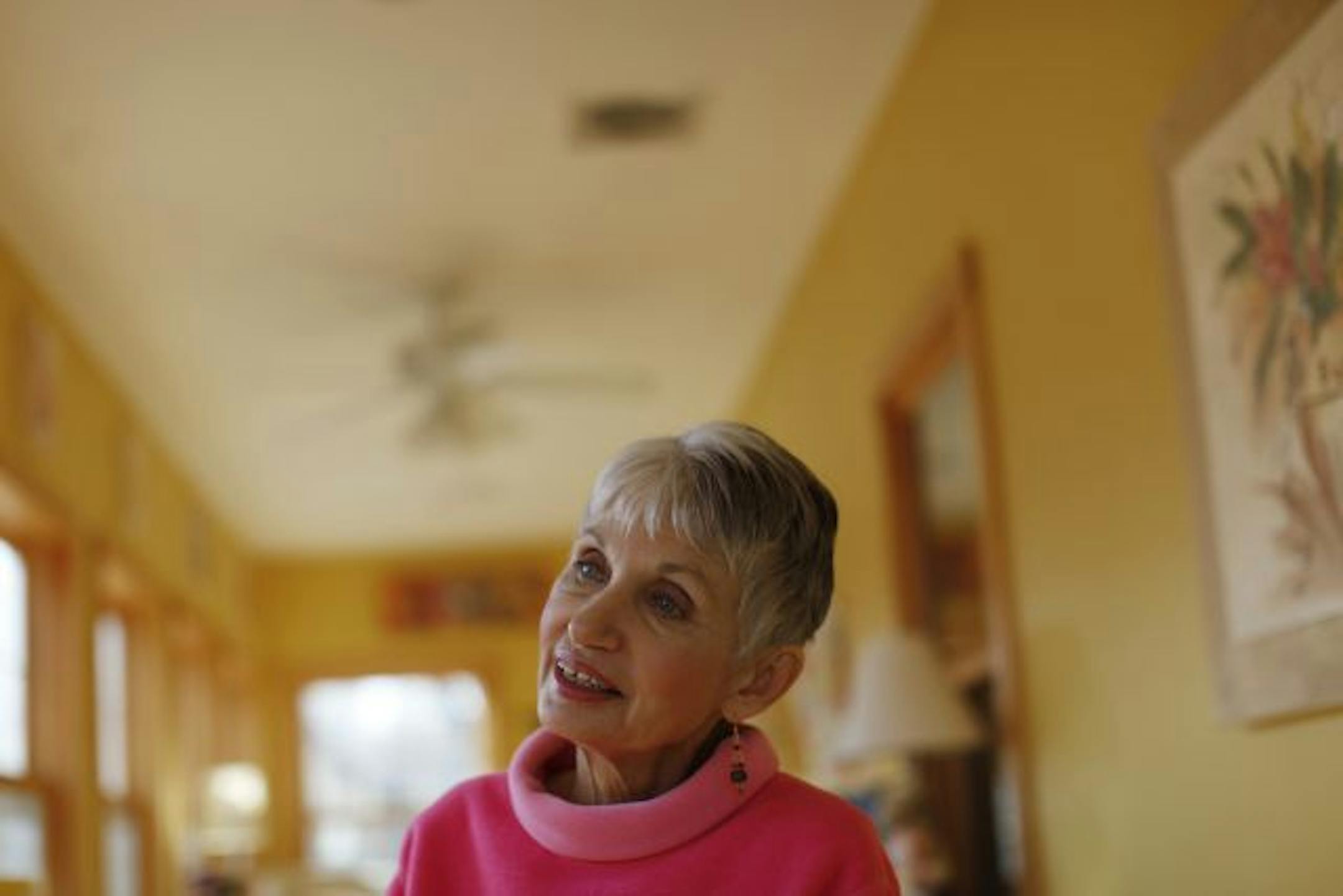
As the health care debate in Washington headed toward a climactic vote last weekend, Bob and Mary Drew of Afton were paying closer attention than most.
In the summer of 2008 Mary was diagnosed with cervical cancer and then, a few months later, Bob found out he had tonsil cancer. In between, Bob lost his job. Now their COBRA coverage is running out and the Drews are scrambling to find someone who will insure them.
The Drews embody the sort of insecurity faced by thousands around the country that led to Sunday's historic vote: What if I lose my job? What if I get sick? What if my spouse or kid gets sick?
"There are hundreds of thousands of stories like ours that are largely ignored," said Bob Drew, 57. Added Mary Drew, 64: "Until you're living the story."
If the Drews represent a natural constituency for the legislation, they also illustrate the peril facing its supporters. Some of the key provisions -- subsidies to buy insurance and robust protections for consumers -- don't fully take effect until 2014. That's not soon enough for Bob and Mary Drew. With the public deeply divided over the legislation's merit, the lag in visible, popular benefits might leave millions of Americans wondering if the epic political battle was worth it.
Four years ago, the Drews sold their townhouse in Maplewood, moved to Afton, and rented a two-bedroom apartment above a motorbike accessories store, with a view of the St. Croix River.
Bob was a engineer with a data storage company. Mary's job was closing real estate contracts, and she did well during the real estate boom. Both worked out of their home and as recently as two years ago, their annual household income hovered at $120,000.
In July 2008, Mary Drew, then 62, was told she had cervical cancer.



