

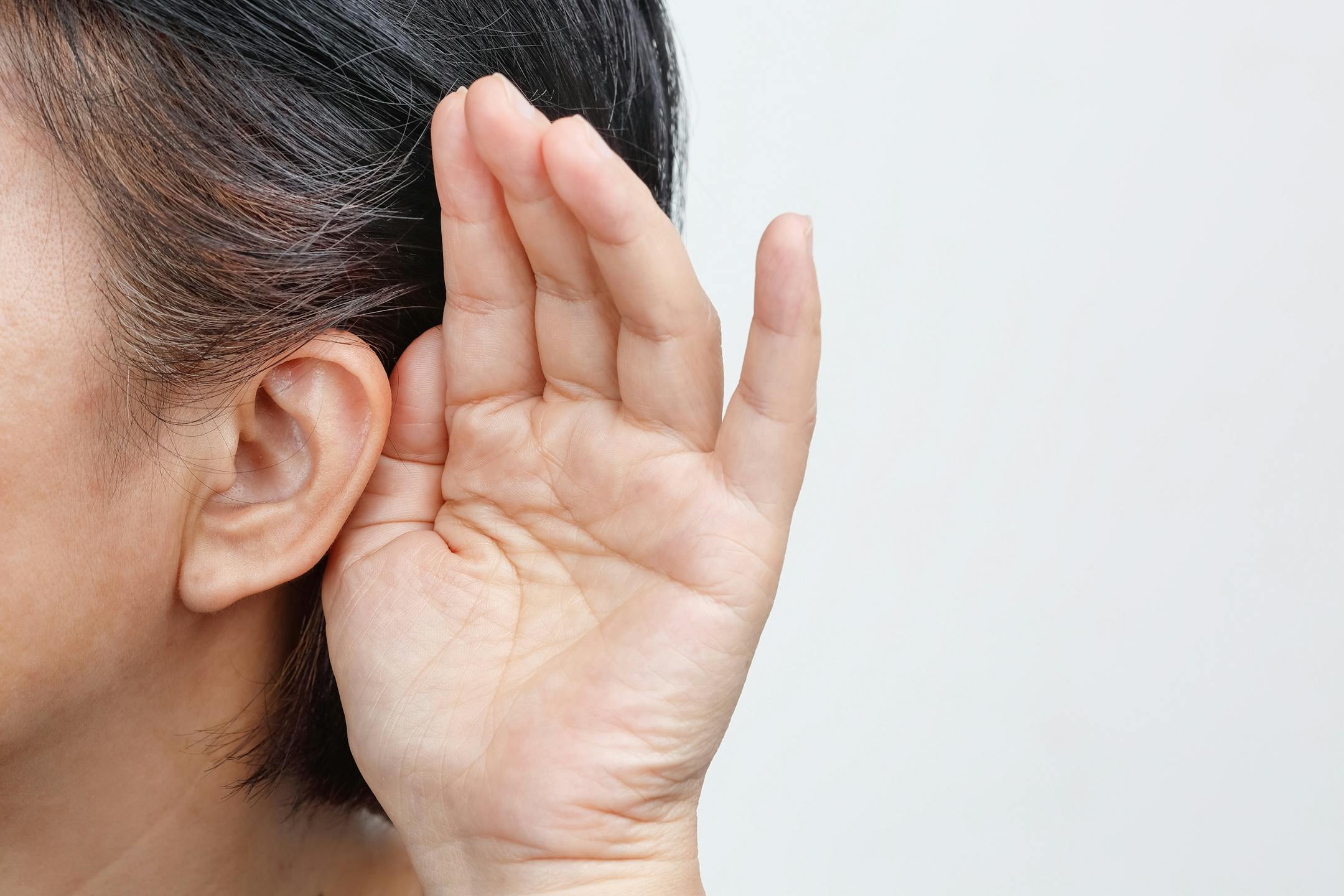
An audiologist talks about when we should be concerned about our hearing and why we should put down that cotton swab.
What are the first signs of hearing loss?
One of the first signs is increased difficulty understanding people. It may sound like everyone is mumbling or not speaking very clearly. Often the people around us notice our hearing loss before we do. If your loved ones are telling you that you are turning the TV up too loud or if you find yourself asking "what?" more often, it's a good sign to have your hearing tested.
Could it just be ear wax?
It's possible, although not as likely as you might hope. It is a good idea to have your hearing and ears examined if you are noticing increased difficulty hearing. Some ear wax is completely normal and won't affect your hearing, but your audiologist will be able to tell you for sure and recommend it be removed if it is affecting your hearing.
Cleaning with cotton swabs, yes or no?
NO! I know everyone loves cotton swabs, but they can actually do more harm than good. They tend to push wax even further into the ear canal causing more problems. Repeated use may keep pushing the wax up against your eardrum making it harder to remove and potentially becoming painful or hurting your eardrum. Our ears for the most part are actually self-cleaning and are designed to have ear wax for a reason. If you feel like you have excessive ear wax, visit your audiologist or ENT.
Do genetics play a role in hearing loss?
Hearing loss can have many different causes: noise exposure, infection, age or even genetics. Genetics can make some people more predisposed to hearing loss. If members of your family have hearing loss, it is a good idea to have your hearing tested earlier than later to monitor your hearing.
Is hearing loss common?
An estimated 48 million Americans have some degree of hearing loss, but only 1 in 5 who could benefit from a hearing aid actually uses one. About 22% of Americans are exposed to hazardous noise levels in the workplace that could lead to damage to hearing. While hearing loss is more common than people may realize, it often goes untreated. Hearing loss can significantly impact many areas of our lives, including physical health, emotional and mental health, our social lives, self-esteem, family relationships and work and school performance.
How do I know if I need a hearing aid?
The only way to know for sure if you need a hearing aid is to have your hearing tested. If you have any signs of hearing loss or any concerns you should see an audiologist to have a comprehensive hearing evaluation. Many people may not realize the sounds they are missing until they get hearing aids and have access to them again.
What's the best way to convince someone else that they might need to look into a hearing aid?
Some people need some extra convincing. It's actually been found that people with hearing loss wait an average of seven years before seeking help. Hearing loss often can occur gradually over time which may make it more difficult to notice. People start to make accommodations for their hearing loss and may feel like they aren't having as much difficulty as others are noticing. If you feel like your loved one is struggling and could use some help you may want to gently talk about what you have been noticing. Try not to sound accusing as some people with hearing loss may be denying it not only to others but to themselves. Discuss what you have noticed and why you are concerned and encourage them to have their hearing tested as a first step.


