

In 2000, if you visited a district hospital in a low-income African country, you would have seen wards overflowing with patients dying from infectious diseases like HIV/AIDS, tuberculosis and malaria. Developing countries were experiencing unprecedented infectious-disease epidemics, with little capacity to respond.
Today, that story is improving. Thanks to insecticide-coated bed nets sent to Africa, the death rate from malaria has dropped 25 percent since 2000. With unprecedented aid from the United States and others, and remarkable advances in treatment, the AIDS epidemic is slowing.
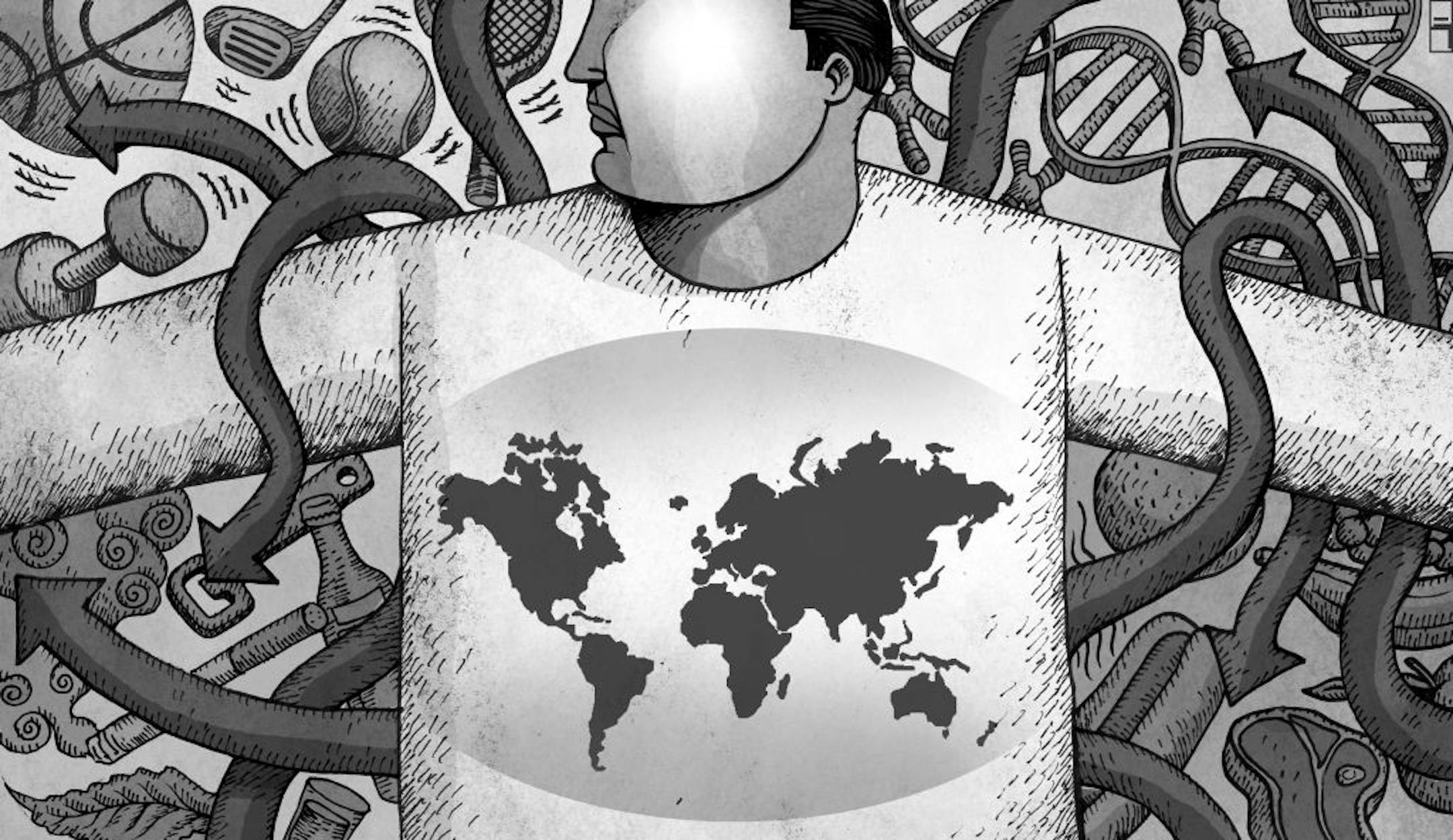
But any celebration is muted, since the global disease profile is transitioning. As populations live longer, the incidence of noncommunicable diseases (NCDs) such as diabetes, cancer, cardiovascular diseases and chronic lung diseases is rapidly rising.
NCDs have emerged as one of the greatest social and economic development challenges of this century. They account for more deaths every year than AIDS, tuberculosis and malaria combined, resulting in 60 percent of deaths worldwide.
In low-income countries like Rwanda, NCDs now make up 25 percent of the disease burden. They are usually caused by infections, malnutrition, and conditions associated with poverty.
In middle-income countries, NCD prevalence is up dramatically. An estimated 60 million people in India alone have diabetes. Populations with rising incomes adopt Western lifestyles (poor diet, lack of exercise, tobacco use), often without knowing that these are risk factors for NCDs.
The rapid rise of NCDs threatens to impede the economic development of low- and middle-income countries. NCDs often strike individuals in prime bread-winning years -- people with dependent children and parents. Most families lack health insurance, so chronic health problems bring financial ruin. Large numbers of patients with chronic NCDs and debilitating complications threaten to overwhelm already weak health systems.
This global health crisis led to United Nations "high-level meeting" in 2011, only the second time the U.N. has ever held such a meeting. (The first was in 2001, for HIV/AIDS.) Attending countries committed to developing national NCD plans, strengthening prevention programs and health systems, and increasing international collaboration.


