

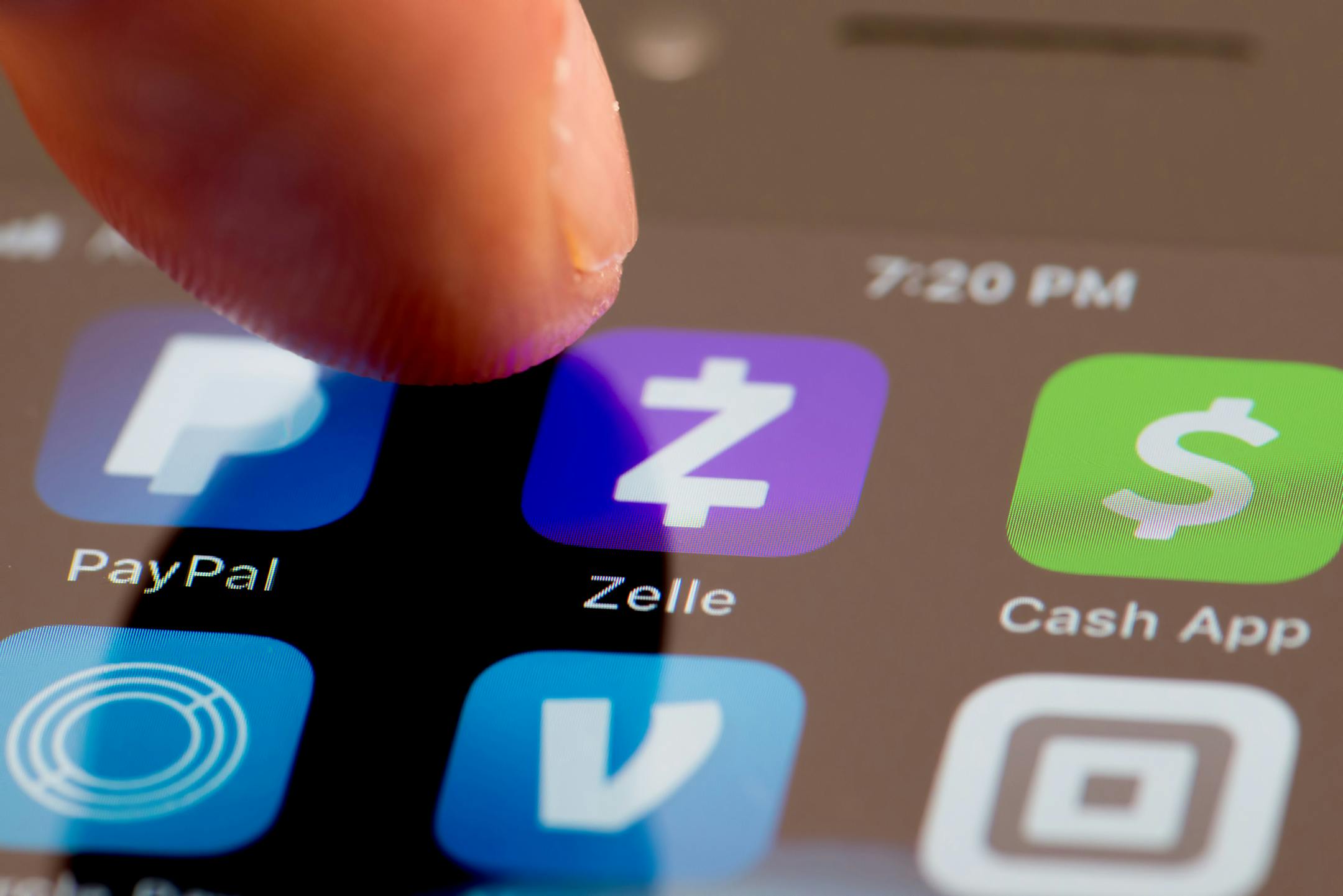
Zelle is a peer-to-peer payment network used by more than 1,000 banking apps. Like other P2P services, Zelle makes it convenient to send money to friends and family using their e-mail address or phone number.
But as convenient as it can be for you, it's also that convenient for scammers who want your money.
Recently, Zelle has been in the news because criminals are taking advantage of the platform to scam people into sending them money. Banks and credit unions are not responsible for money lost from P2P scams because people are knowingly making a payment themselves, unlike fraudulent transactions resulting from stolen credit or debit cards.
With Zelle, "your recourse options are very limited," says Akeiva M. Ellis, co-founder of the Bemused, a financial literacy consultancy for young adults, and a Certified Financial Planner Board of Standards Inc. ambassador outside of Boston.
Here are a few tips to protect your money when using Zelle or any other P2P payment app:
Reserve Zelle and other money transfer apps for paying people you already know and trust, says Robert Burda, chief strategy officer and interim CEO of the nonprofit Cybercrime Support Network, whose work includes operating the nonprofit FightCybercrime.org as a resource for victims. "Once the payment's sent, like cash, it's gone," he says.
Someone might claim to be from a company you do business with (such as your utilities company) and threaten to shut off service if you don't make a payment immediately. These sense-of-urgency and scare tactics are red flags, says Alexis Castorina, head of consumer education at Zelle, who is based in Scottsdale, Ariz.
If the person claiming to be from your utilities company or bank demands payment using a P2P service rather than your usual method of payment, let them know that you'll call the company yourself to handle it.


