

It was easy to tell with a glance of the bonding bill the Legislature passed last week who is supposed to benefit from $20.5 million earmarked for a business park in Becker. It's Google.
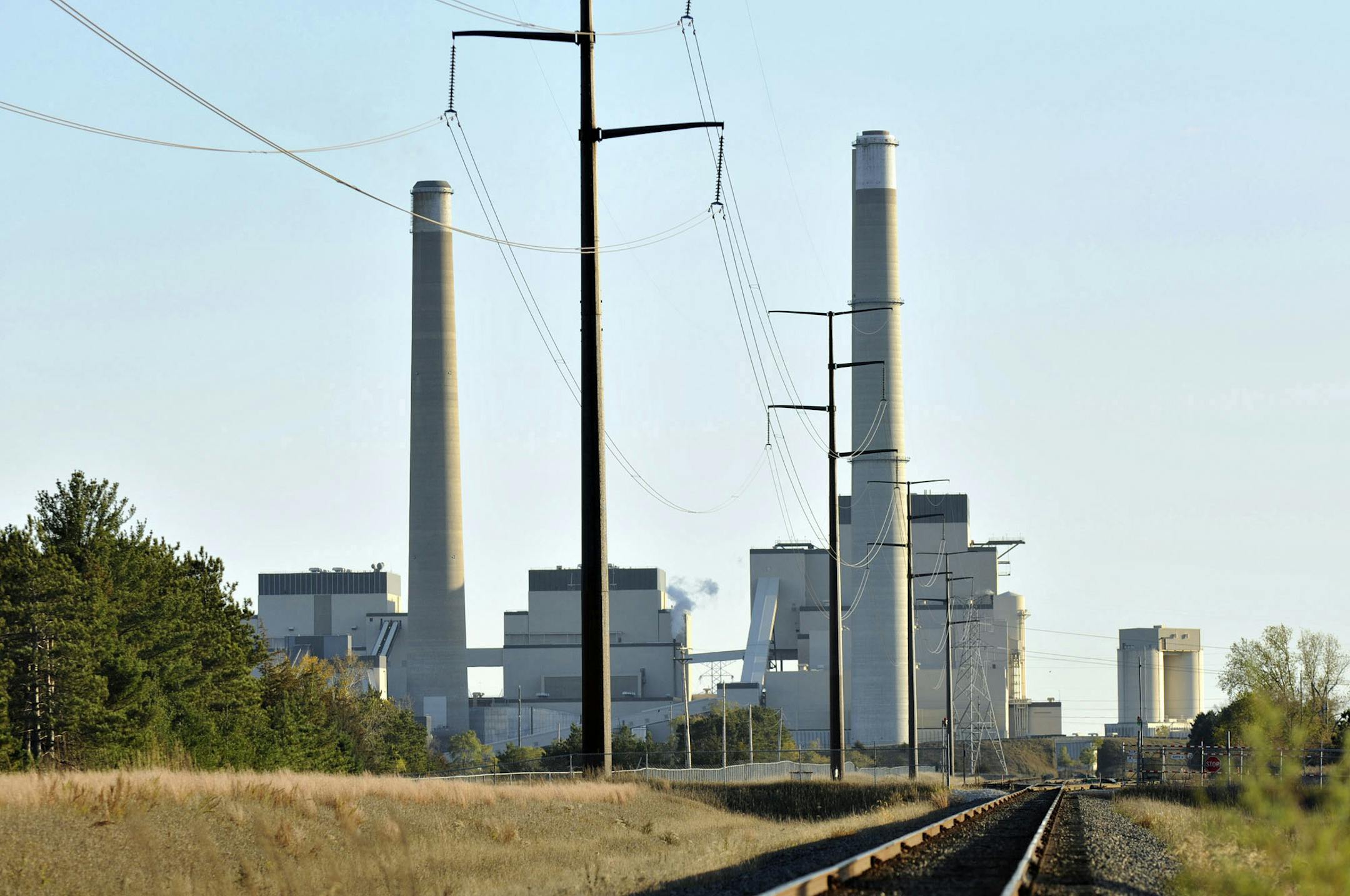
A new sewer line and other infrastructure will hopefully attract Google to build a massive data center next to Xcel Energy's coal-fired electric power station in Becker, on the northern edge of the Twin Cities metro area in Sherburne County.
Anyone applying a strict definition would have to rule this taxpayer support for a company, Google parent Alphabet, that generated about $14 billion in operating cash flow in its most recent announced quarter.
Yet this hoped-for deal — there's no contract yet — raises the interesting question of what municipalities are supposed to do when the big driver of the local economy, an employer and taxpayer, seems to be going away. Are they not supposed to find a way to replace that, using whatever tools of economic development they can get their hands on?
As much as people hate taxpayer assistance for big businesses like Google, doing nothing won't be popular, either.
The economic engine winding down here is the power station itself, called Sherco. With two skyscraper-sized chimneys, it's clearly visible to anyone passing on nearby Interstate 94. Xcel and its partner in one of the units plan to shut it down, unit by unit, over the next decade.
You could think of this as responding to technological change, as dirty fossil fuels like coal are dropped, but Xcel's plan to be done emitting carbon to generate electricity within 30 years is also a case of a business responding to what its customers want.
The impact on a town like Becker of closing this plant brings to mind an economic lesson about small towns taught by the Nobel Prize-winning economist Paul Krugman, writing some years ago in his New York Times blog. It's the problem of gambler's ruin.


