

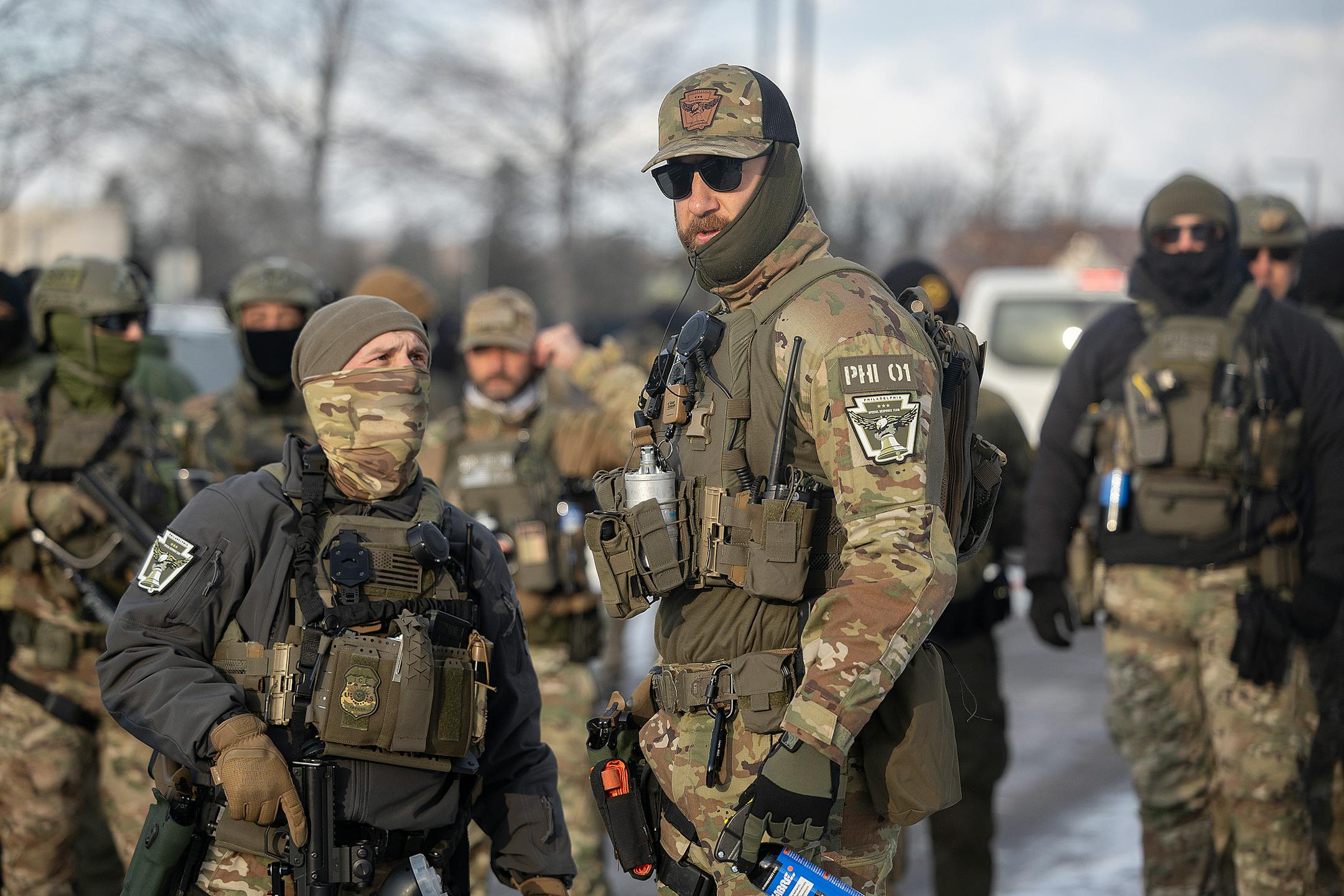
Normally, federal, state and local law enforcement officers are on the same side, investigating crimes, sharing leads and tracking down suspects.
But under the Trump administration, tensions between some local and federal officials have intensified over immigration sweeps, sanctuary city policies and the deploying of the National Guard to Democrat-run cities.
Those fissures widened this past week after an Immigration and Customs Enforcement agent shot and killed a woman in Minneapolis. State investigators said federal authorities excluded them from the investigation. After a shooting in Portland, Oregon, the next day that wounded two people, local police said they had received no information from federal officials, several hours after the episode.
Now politicians are publicly blasting one another, sparking even more corrosive disputes that will not make the arduous task of fighting crime any easier.
Minneapolis Mayor Jacob Frey told ICE to leave the city, saying in an invective-laden speech that the agency was harming public safety. In Philadelphia, District Attorney Larry Krasner warned ICE agents who intended to commit crimes to “get the eff out of here” or be prosecuted. California Gov. Gavin Newsom decried “masked men snatching people in broad daylight” and military operations in U.S. cities as “an assault on our values.”
Homeland Security Secretary Kristi Noem suggested that Minnesota authorities should focus on preventing violence and fighting fraud, a reference to allegations that hundreds of millions of dollars in federal aid had been misspent in the state. She denied that state investigators had been cut out of the shooting inquiry, saying instead they lacked jurisdiction.
Cooperation between federal authorities and state and local law enforcement is essential to holding drug gangs, other violent criminals and white-collar offenders accountable, law enforcement officials say. It is also routine, with countless task forces bringing together officers from multiple agencies to combat terrorism, sex and gun trafficking and white collar crime, as well as to track down suspects such as the one in a recent shooting at Brown University.
But new disputes over questions including whether states can bar immigration agents from wearing masks, allow residents to sue them for rights violations, or, in the case of Minnesota, investigate homicides that occur inside state lines have pushed the nation into largely uncharted territory. Long-standing relationships among law enforcement agencies could deteriorate.


