

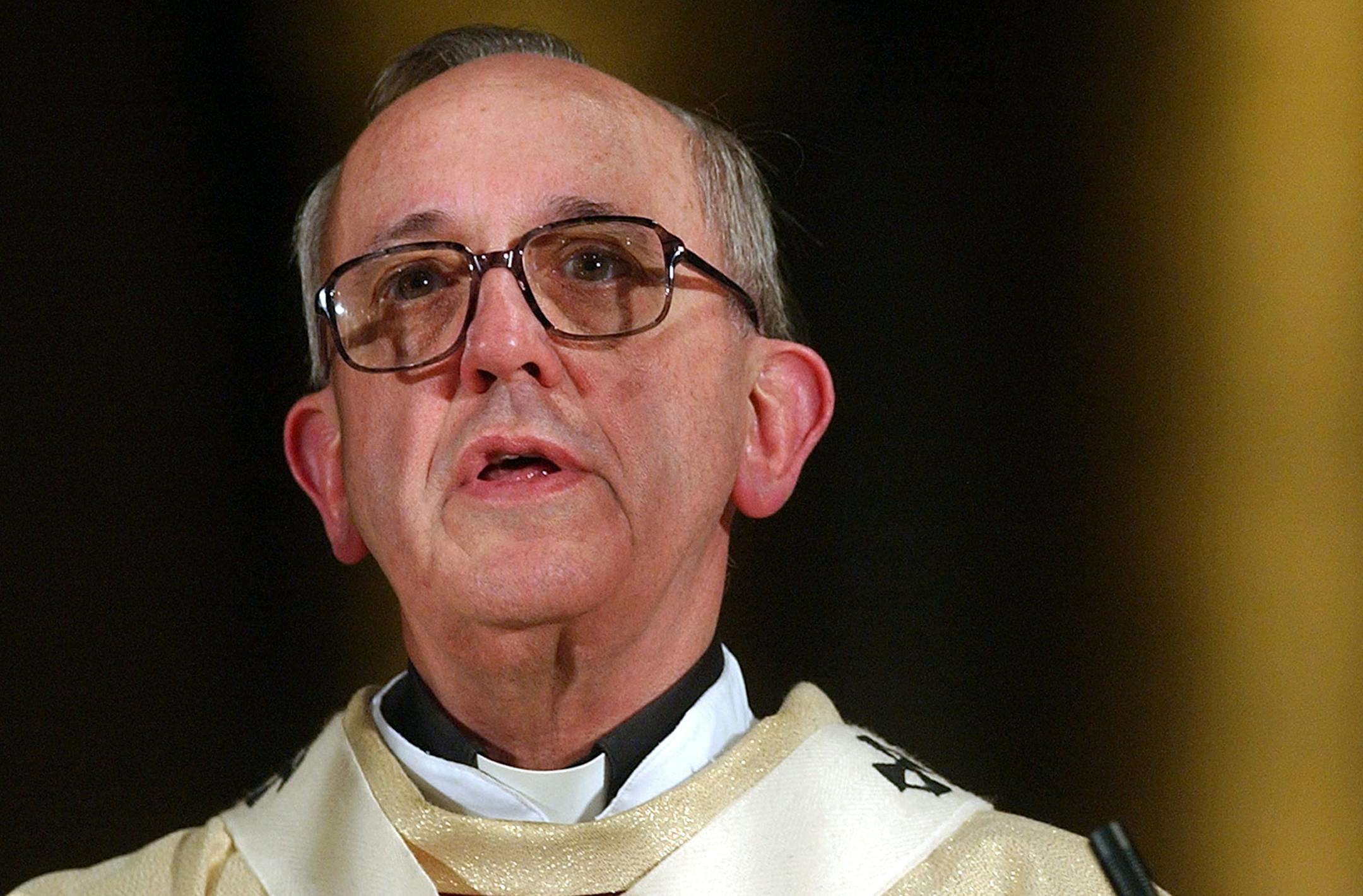
Until Tuesday, Catholics worldwide wondered if a non-European pope would ever be elected. Now they're wondering if a European pope is ever likely again.
For a church with headquarters in Rome, where early apostles of Jesus were martyred for spreading the Gospel, the election of the first South American pope marks a pivotal shift in the Catholic mindset. It also shines a light on a part of the world where the faith is vibrant, youthful and thriving.
Pope Francis came to Rome for the conclave unaware that he would never to return home to pack his belongings. He'll spend his first weeks in office living at a temporary residence at the Vatican while the papal apartment is being renovated.
During Pope Benedict XVI's eight year tenure, the Vatican often seemed a dated European hierarchy plagued by bank scandals, document leaks and clergy misconduct. That's not the image any church wants, especially one with 1.2 billion members, or half of the world's Christians.
Benedict famously bristled at Latin American worship infused with cultural customs. In Pope Francis, Hispanic Catholics have a leader who speaks their language and reflects their spirituality.
Latin America is more than 70 percent Catholic and, along with the Caribbean, accounts for nearly 40 percent of the worldwide Catholic population. A century ago, nearly 65 percent of Catholics lived in Europe.
A South American pope may help slow Catholic defecting to Pentecostal churches, whose energetic worship and emphasis on personal transformation has great appeal. That's especially true in Brazil, home to the world's largest Catholic population, where Francis will address a worldwide youth rally in July.
U.S. Hispanic Catholics tend to be more religious than other Catholics, with a strong devotion to Jesus' mother, but more socially conservative on abortion. They helped to catapult Barack Obama to victory in the 2012 presidential election, demonstrating that they do not follow lockstep with their bishops on issues such as contraception.


