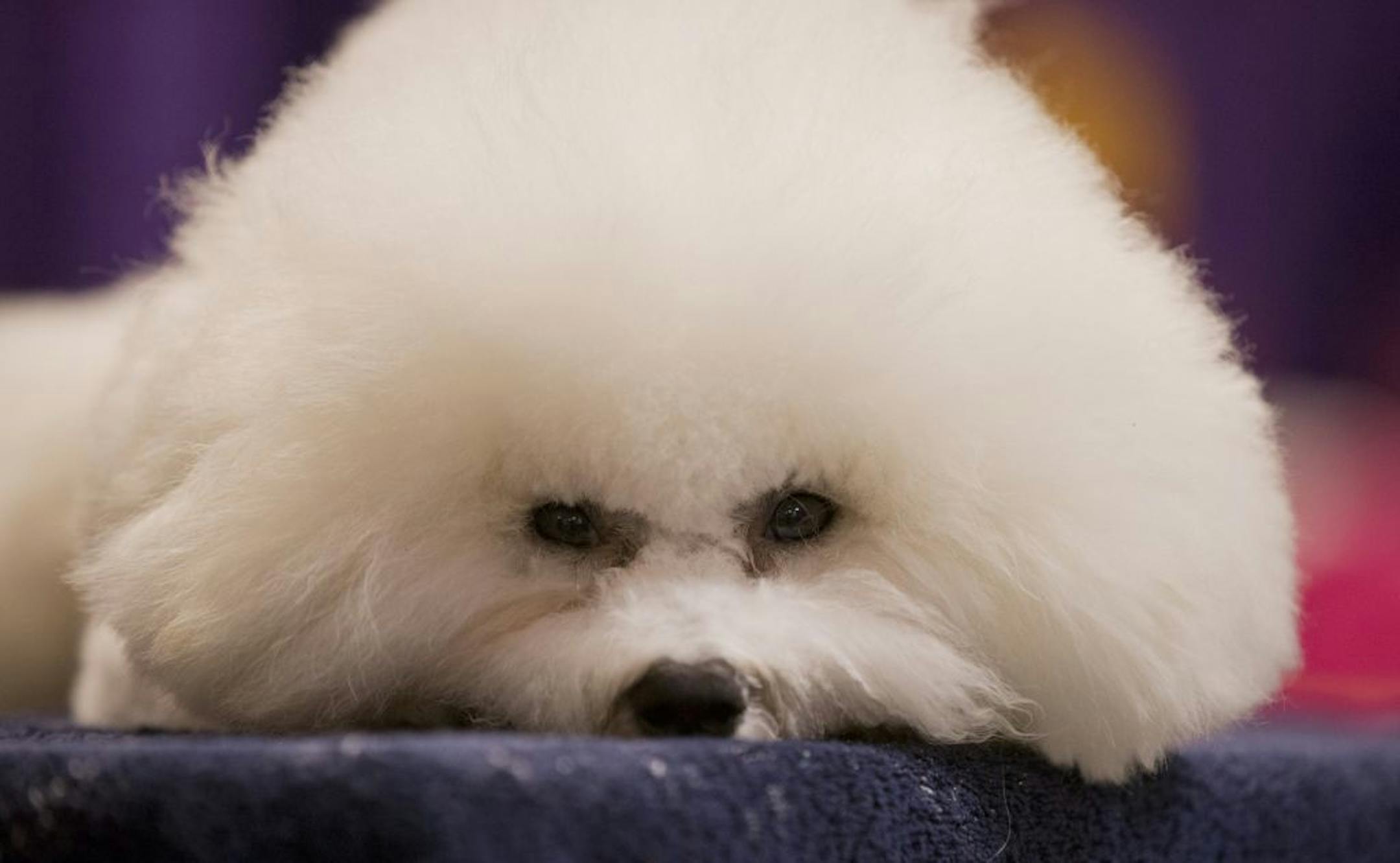
The Westminster dog show, at Madison Square Garden in New York, hasn't only been about the dogs lately. Last year, PETA protesters invaded the two-day event.
As a handler in one of the fantastically dowdy suits that are a Westminster hallmark trotted a graceful Doberman around the ring, one of the protesters held up a sign reading "Mutts rule."
She was led away by blue-suited security officers, but another protester appeared, smartly dressed in jacket and slacks, and mounted the winners podium to hold up a sign that read "Breeders Kill Shelter Dogs Chances." Her message lasted for maybe 10 seconds before she too was led away.
The protests are an indication of how complicated dog politics have become. To start with, these days, mutts do rule, at least relatively. Rescue dogs, which are mostly mutts, have never been more popular, while the American Kennel Club, arbiter and protector of purebred dogs, has seen its membership and registrations drop for a decade or more. The AKC brand has been partly hollowed out: Purebred used to mean excellent; now it can as easily mean inbred.
People for the Ethical Treatment of Animals, though inspired by the horror of shelters in 1970s America, is in many ways a latecomer to these issues. PETA's founder and head, Ingrid Newkirk, as the young expatriate bride of a race car driver, volunteered at an animal shelter and was appalled at the conditions in which the animals lived and died.
It opened her eyes to animal suffering. Alarmed at the carelessness of her co-workers, she volunteered for extra euthanasias, and eventually founded an organization that's done more than any other to change the way we view the treatment of animals.
It's an amazing legacy but a complicated one. In the past, PETA viewed the keeping of household pets as equivalent to chattel slavery. "If people want toys, they should buy inanimate objects," Newkirk said years ago.
These days, those kinds of sentiments have been deeply submerged, if they still exist at all in PETA. Newkirk herself became much cuddlier, even writing a book called "Let's Have a Dog Party," possibly because she's realized that it's difficult for a broad-based animal rights organization to survive without the donations of pet owners.