
‘We’re sorry for your loss. Are there any services you’d like to add?’

Canceling a late loved one’s cable account led to an outrageous interaction with an AI assistant.

NextAvenue
December 5, 2025 at 1:00PM
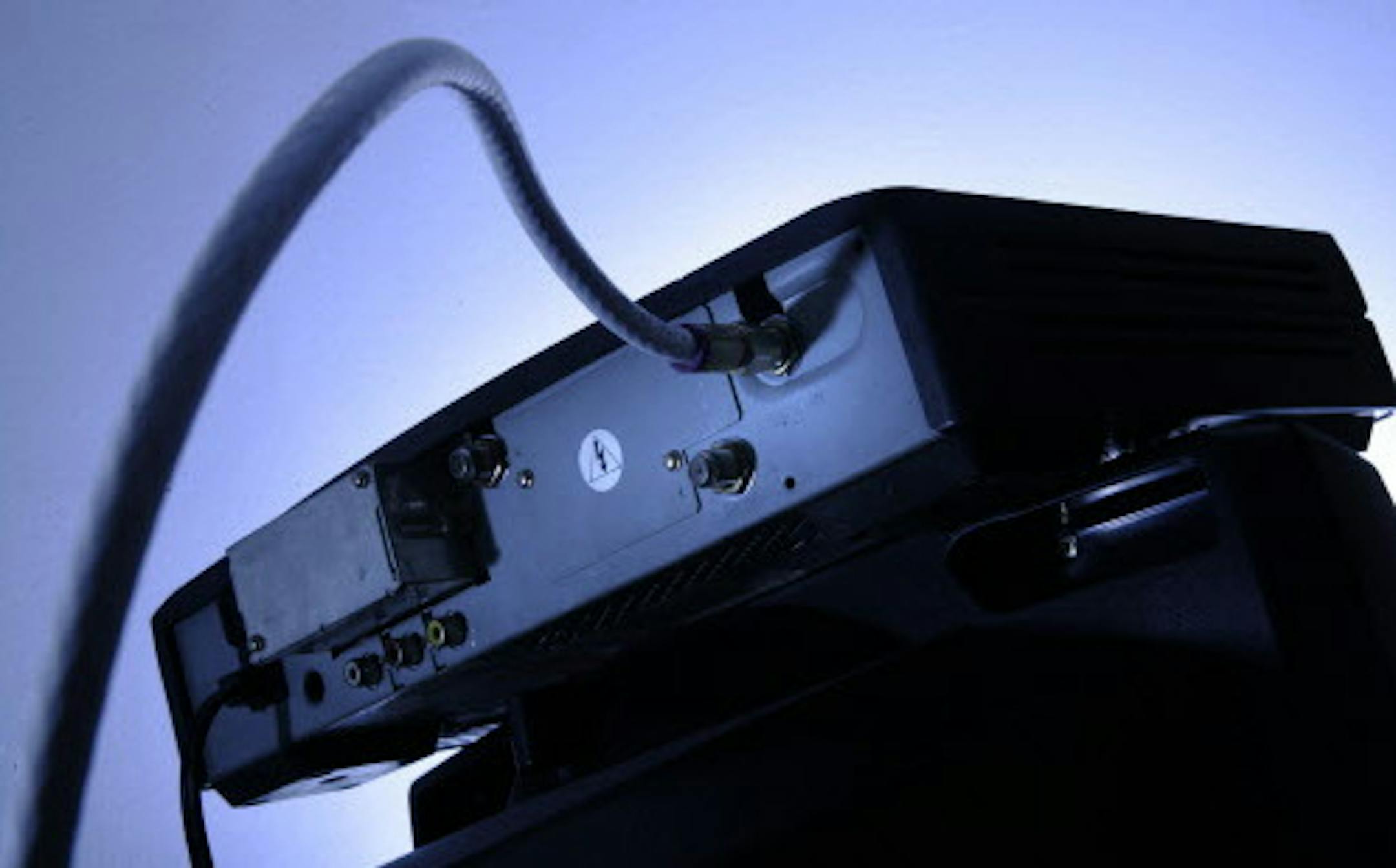
FILE - This Wednesday, May 30, 2007, file photo shows a cable box on top of a television in Philadelphia. Cable boxes may not be very exciting, but theyíre emerging as a new battleground over the future of TV. Technology companies and the government want to open up the boxes to new services and programming. Cable companies want to keep control in their own hands. The outcome could affect what you pay for television and whether youíll still need to clutter your entertainment center with
Canceling cable after a loved one dies is a frustrating endeavor. (Matt Rourke/The Associated Press)

Regan Walsh of Columbus, Ohio, is the youngest of six kids. So when her mom died last summer at age 89, the jobs that come with wrapping up a long life were divided among the siblings. One of Walsh’s tasks was to close out her mother’s cable account. So she dialed the company’s number and waded through the usual menus.

Soon, she says, she found herself chatting with a human-sounding AI assistant who called herself Mary, which asked the reason for her call. When Walsh told her, “Mary led with empathy for a moment, and I was shocked,” says Walsh. When she told “Mary” she wanted to cancel because her mother had passed away, Mary said, “I’m sorry for your loss.”

But the next question from the automated assistant quickly erased any warm feelings. “Are there any additional services you would like to add to this account?” Mary inquired.

Walsh prides herself on her robust Irish sense of humor, but this was upsetting and absurd. She hurriedly punched more numbers and eventually got to a human, to whom she explained the reason for her call all over again.

‘Outrageous’ response

“He was so compassionate, and ‘I’m so sorry for your loss, and I hope you’re taking care of yourself,’” she says. But then? “I’m not joking — his follow up was, ‘Are there any other services you would like to add?’”

By this point, Walsh was fuming. “I was, like, ‘well, considering she’s dead, we’re not looking to add any services.’ It just was so outrageous,” she says. But, it turns out, not uncommon. After posting about her experience on LinkedIn, she received comments and condolences, including from others who had experienced upselling from a tone-deaf company after canceling a late loved one’s account.

Mark Hurst is horrified when he hears stories like this. He’s the founder of Creative Good, a consulting firm that, among other things, considers the role of technology in customer service. He has long supported the idea of businesses working with customers to give them what they want, and keep them coming back. Something, he says, that appears to be increasingly rare.

“Corporate leaders today face immense pressure to invest in AI like all of their competitors are doing,” he says. “And so it’s this lemming-like behavior where companies are deploying all of their capital in AI build-out and it’s a zero-sum game. … Customer service is suffering as a result.”

He doesn’t blame the human agent who ultimately took Walsh’s call — and told her how to return the cable equipment — despite the fact that the guy went straight to a sales pitch. He blames the company that employs him.

“If you maintain any respect for the customer, the last thing you should do is force your customer service agents to upsell the customer,” he says. “How crass. And how embarrassing that must be for that call center agent, who probably knows that this is not a good thing to say” under the circumstances.

Many of us will agree with Hurst about the state of customer service. We crave interactions where we feel heard and understood, where we don’t have to strain our last nerve attempting to reach an actual human — and, when we do, wanting to strangle them. We dream of a world where companies care about helping us with our woes, where customer service is more, rather than less, human.

This really is a dream, according to Amas Tenumah. He has worked in every area of customer service, from handling calls in a call center to his current role of customer experience consultant.

Yes, he says, AI agents expressing condolences are on the rise. “I call it synthetic empathy,” Tenumah says. “It’s kind of emotion, but it’s made in a lab.”

Regular people, at their most charitable, might view a sales pitch to a dead person’s account as a mistake on the company’s part — a tactic the company may simply not have thought through. But Tenumah says this approach is, in fact, all part of the plan.

Keeping your business

“Make no mistake about it,” he says. “The goal of the company is, at least in most industries, to continue business on that account.” This is the message that’s drilled into agents: keep that revenue coming. And if if seems nonsensical — and insensitive — to sell to a dead person, Tenumah urges you to spare a thought for the agent, who has virtually no agency.

“You don’t put human beings in [call centers] and give them lots of autonomy,” he says. “In fact, if you pay close attention, they don’t sound like humans, they sound like robots, because you train the humanity out of them because you want them to comply with the script.”

People die all the time, but Tenumah says overall, calls reporting the death of an account holder are a small percentage of the calls agents field, so they don’t have a lot of experience handling them, or adjusting their script for this circumstance (and adjusting the script is discouraged in any case). He adds that when it comes to these deaths, companies often have a “guilty until proven innocent” policy. In short, they make you jump through hoops to prove the person has died before they will close the account — and lose that revenue for good.

Prepare ahead of time

Regan Walsh can attest to this. She lugged her mom’s old cable equipment to a bricks-and-mortar store in Columbus, along with the required death certificate, and closed the account many days before the next billing cycle kicked in. But the account was still billed one more time, and she had to put in for a refund.

Walsh’s advice: Get onto your loved one’s account ahead of time so you don’t have to go through all this.

If someone you love is sick or dying, “getting the PIN numbers and getting added to the accounts, I think, will eliminate some of the hassle," she says. “You could just call and then show up and cancel under your name.”

Still, even doing that might not help with one final step: getting your money back. Her mother’s cable company still owes Walsh $156. Four months after canceling the account, she has yet to receive the refund.

about the writer

about the writer

Ashley Milne-Tyte

More from The Good Life

See More
FILE - This Wednesday, May 30, 2007, file photo shows a cable box on top of a television in Philadelphia. Cable boxes may not be very exciting, but theyíre emerging as a new battleground over the future of TV. Technology companies and the government want to open up the boxes to new services and programming. Cable companies want to keep control in their own hands. The outcome could affect what you pay for television and whether youíll still need to clutter your entertainment center with
Matt Rourke/The Associated Press

Canceling a late loved one’s cable account led to an outrageous interaction with an AI assistant.