

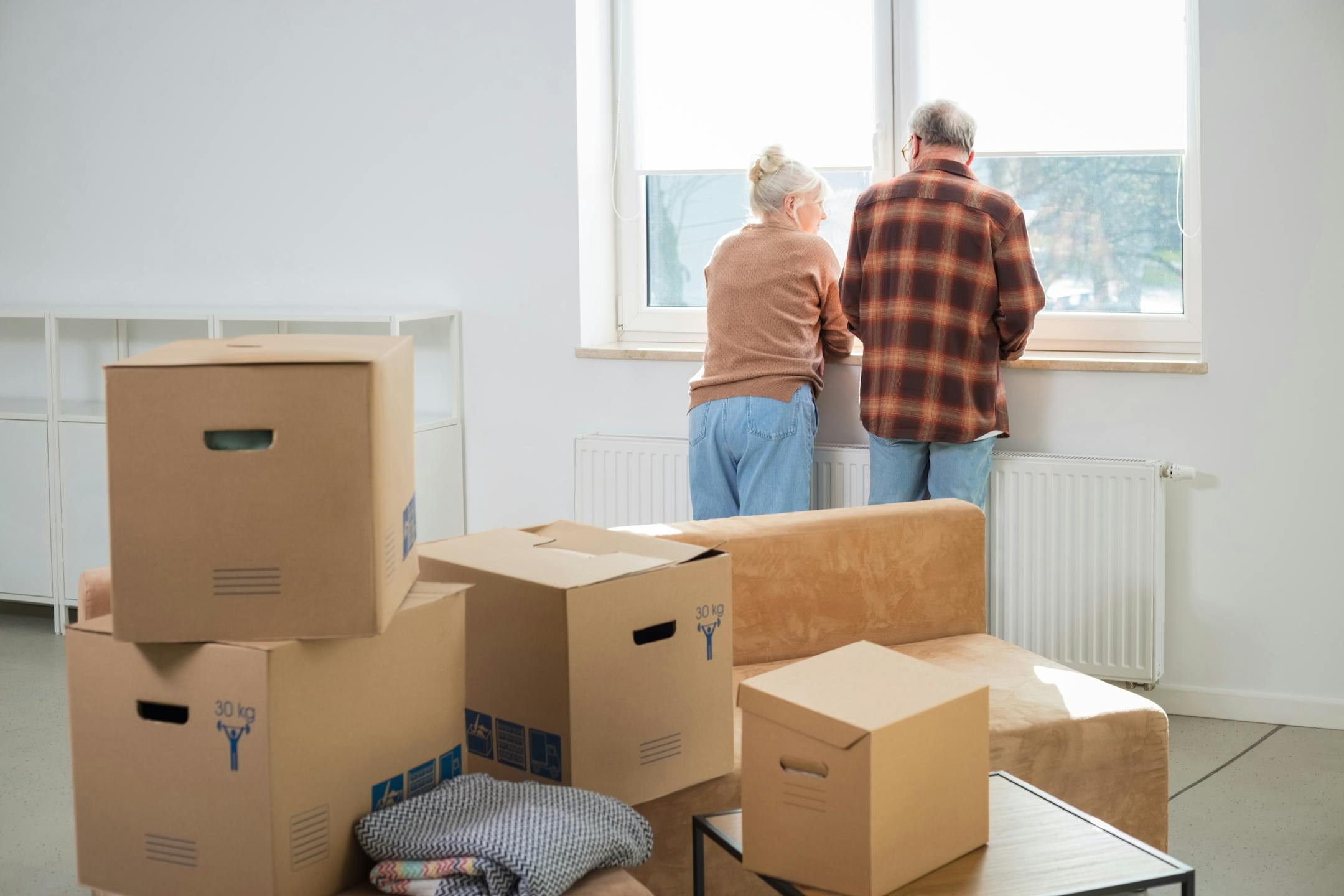
For young, entry-level workers, sharing rent with roommates is a rite of passage. But as living costs continue to rise, a growing number of mature adults are renting out rooms in their own homes to make ends meet.
Since 2019, the percentage of American homeowners ages 45 and older who are advertising rooms for rent for longer than a month has grown to nearly 40% of total live-in landlords. That’s up from about 28% five years earlier, according to platform data by the roommate matching site SpareRoom. (Founded in 2004, SpareRoom has about 80,000 active listings and operates in Britain and United States.)
As homeownership becomes less achievable for young adults — the median age of first-time homebuyers reached a high of 40 in 2025 — older adults are making up a growing share of live-in landlords.
And the trend isn’t confined to 40-somethings. The share of homeowners ages 65 and older who are taking on roommates has also more than doubled since 2019, making them the fastest-growing cohort. (Seniors still make up a relatively small share of the total — just over 6% in 2024.)
Renting is “an easy way to bring in some income,” said Matt Hutchinson, a spokesperson for SpareRoom. “To earn the kind of money you could get by renting a spare room out — by taking on a second job or working in retirement — you’d have to work a lot of hours.”
Live-in landlords are becoming more common even in affordable regional cities. Over the past year, Fresno, California; Virginia Beach, Virginia; and Minneapolis — where the monthly rent for a single room averages less than $1,000 — had the biggest jumps in homeowners looking for roommates, according to the data.
“Just because people have a house that they own,” Hutchinson said, “it doesn’t mean they have cash flow as well.”
Roommate wanted
The share of homeowners age 45 and older advertising a room for rent on the SpareRoom platform has increased since 2019.


