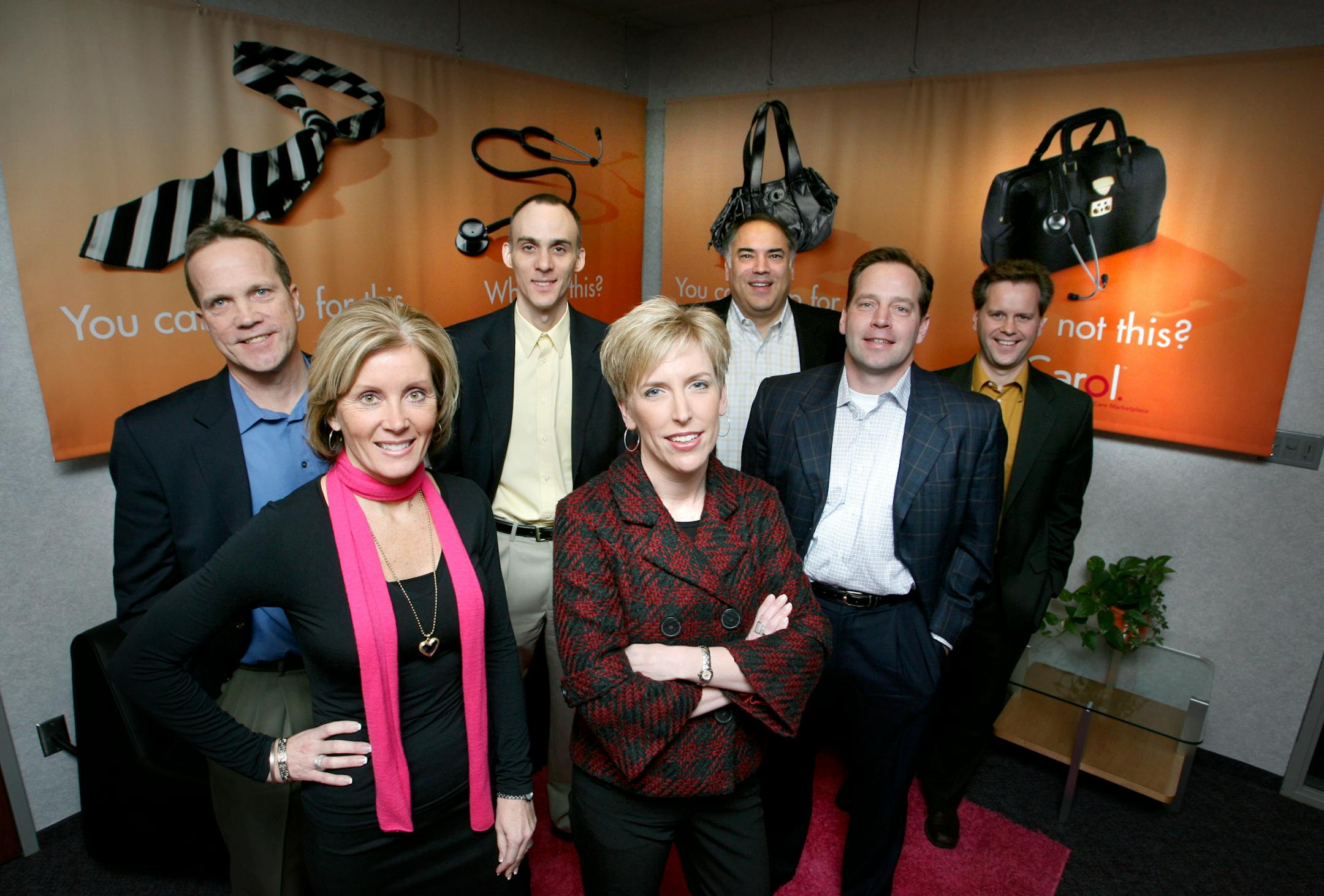
They picked the name Carol for its retro ring, like leaning over the back fence to get advice from a neighbor. But Carol.com's ambitions are entirely futuristic.
Its creators want to do for health care what Travelocity did for airline tickets.
Ankle pain? Click on the matching body part and two options pop up. For $199, doctors at Sports and Orthopaedic Specialists will check out your ankle, review your medical history and recommend treatment. TRIA Orthopaedic Center lists a similar package for $213 -- and a reminder that they are the team doctors for the Vikings and Timberwolves. What did patients think? Read user reviews. Will your health plan pay? Tap in your details and find out.
Plymouth-based Carol.com, which debuted this month, is the first attempt in the country to put those pieces together in an online medical marketplace. In doing that, Carol's creators are riding the leading edge of a wave of change headed toward consumers just as questions about how to cure the nation's chronic health care crisis are resounding from the corner cafe to the presidential campaign trail.
Some think putting more choices in consumers' hands will drive down spiraling health care costs. Others fear those choices may be too complex for the average person to make. This occasional series aims to help you prepare for the potential benefits and risks in solutions being considered -- and sometimes already launched -- by insurers, providers, government and entrepreneurs such as Carol.com. It's been two decades since employers began a similarly seismic shift from pensions to 401(k) investment plans. Now, after struggling for years with shouldering medical costs that outstripped inflation, many employers would like a 401(k)-style setup for health care. They would contribute money, but employees would be responsible for spending the dollars and investing in healthy behavior.
That would create a clamor for information on prices, services, doctors and hospitals.
For now, the Carol site remains a work in progress with a limited number of services. But if it takes off, supporters say, Carol and the copycats it inspires could profoundly affect how Americans buy health care. That's why it's being watched by Harvard researchers, Washington think tanks and health care reformers across the country.
Its success depends on whether hospitals and clinics embrace the radical notion of bundling and pricing care with consumers in mind, not insurers, and make it all easy to compare. That open competition, proponents say, will drive down costs and raise quality.