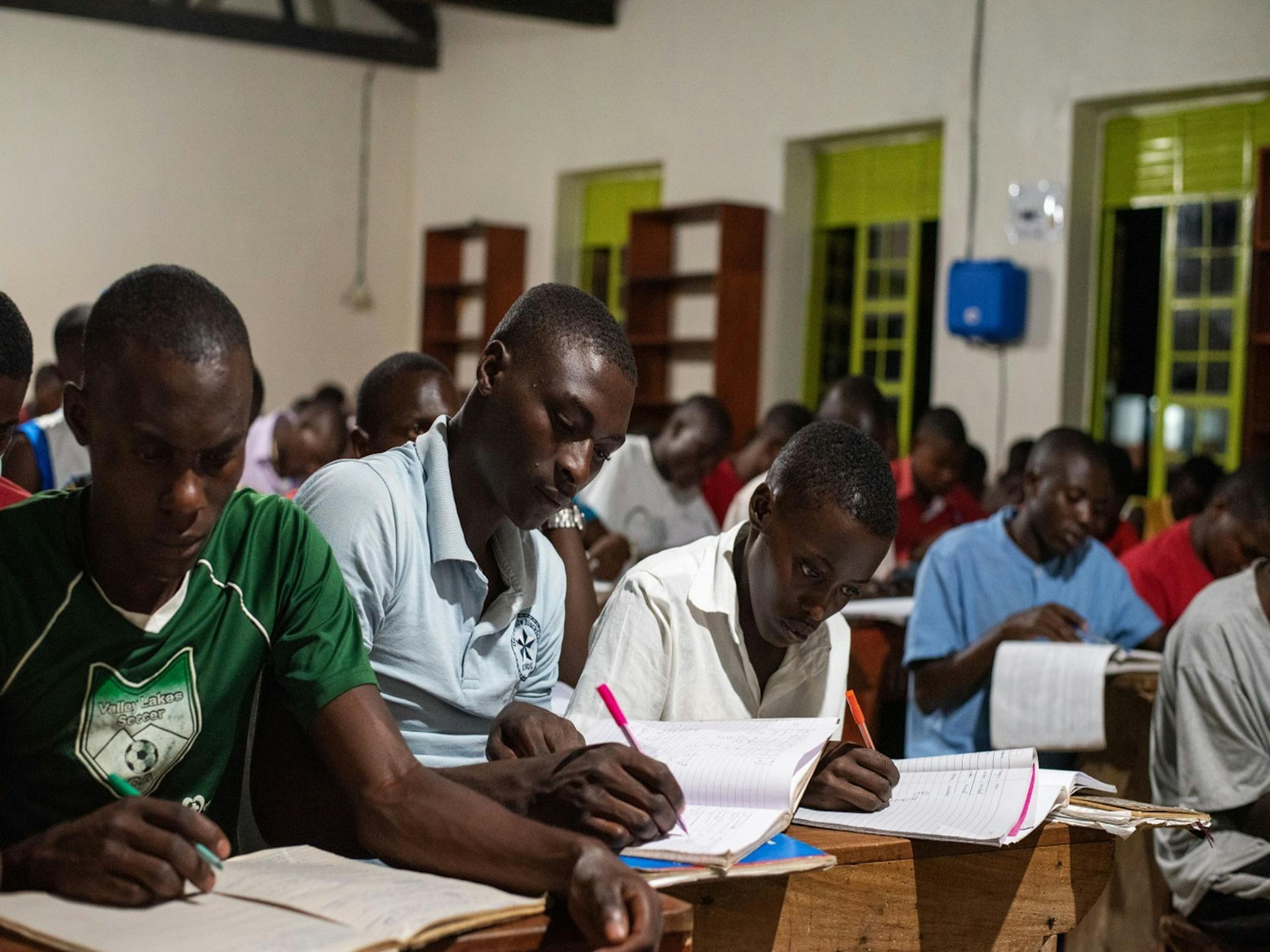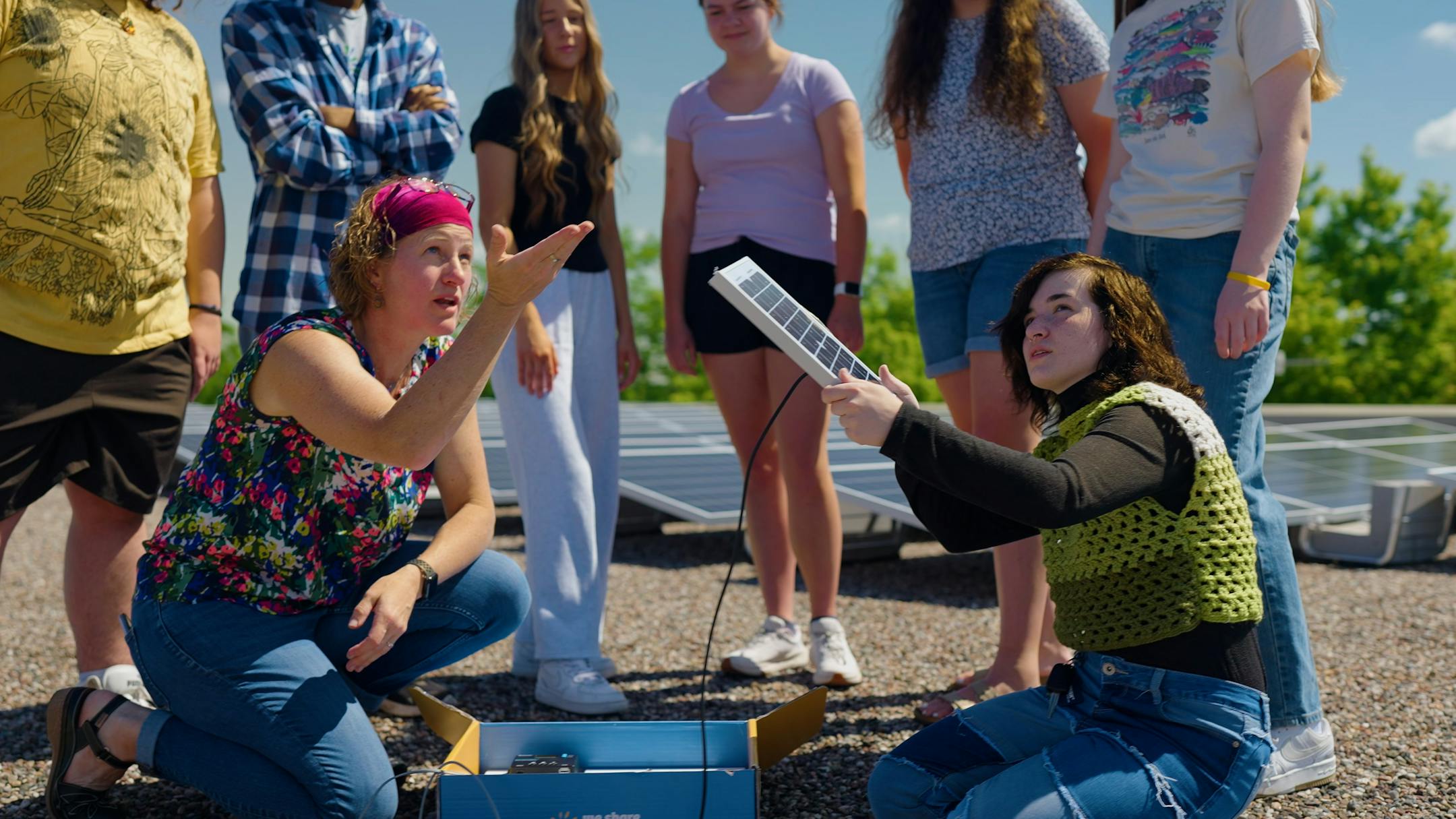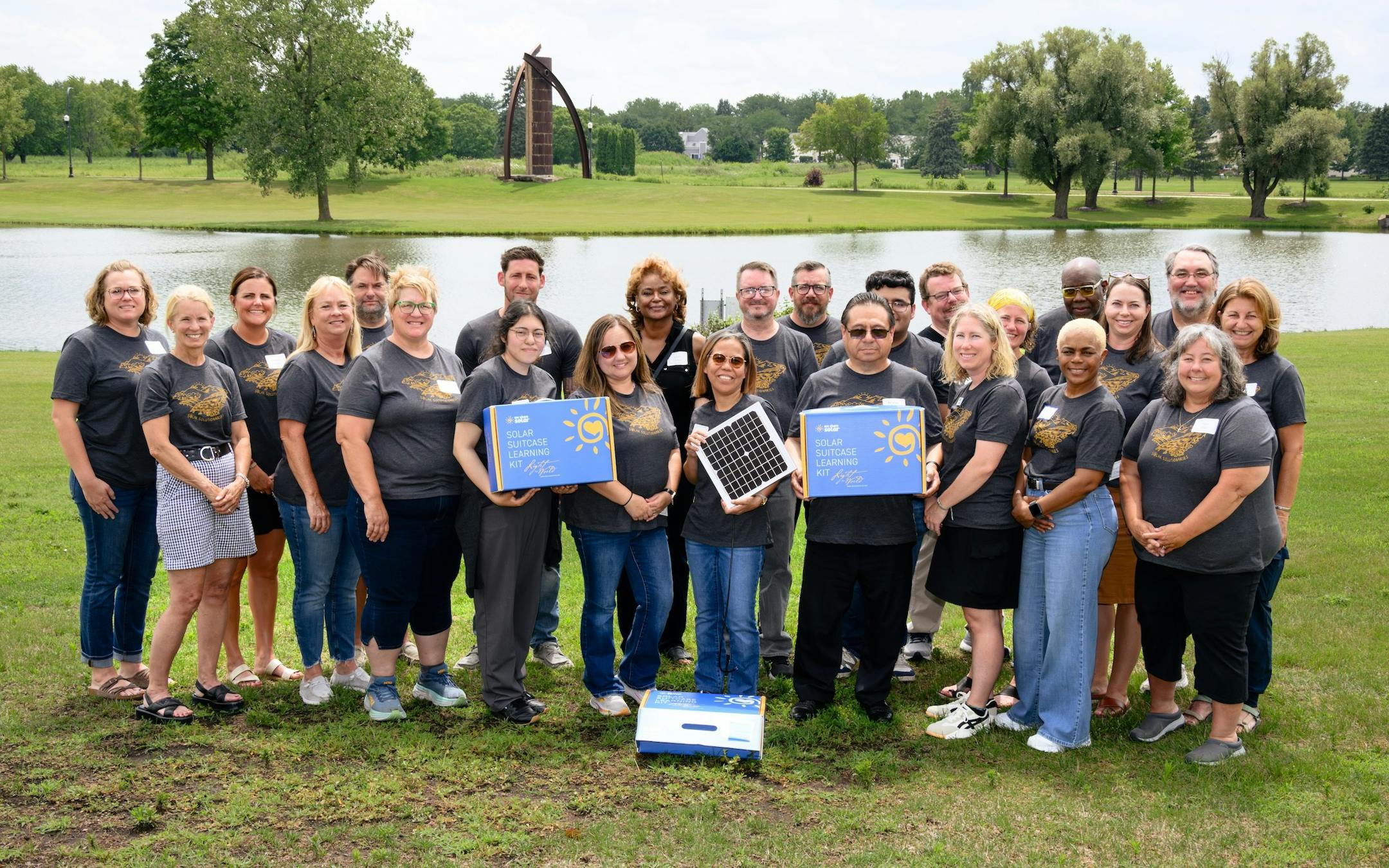
In classrooms across Minnesota this year, groups of students will huddle over wires, circuits, and a solar panel. But this is no ordinary science class: Thanks to kits and curriculum from We Share Solar, which is supported by an Xcel Energy Foundation grant, they are both learning the principles of electricity and solar power and connecting their experience to students on the other side of the world.
“The solar learning kit that students work with are like those we deploy overseas into schools and clinics,” said Gigi Goldman, a co-founder and strategic advisor of We Share Solar, and a Minnesota native. “Because the students now understand solar, and the science is the same, they understand the impact solar power can have on lives. It’s true interdisciplinary, global STEM learning.”
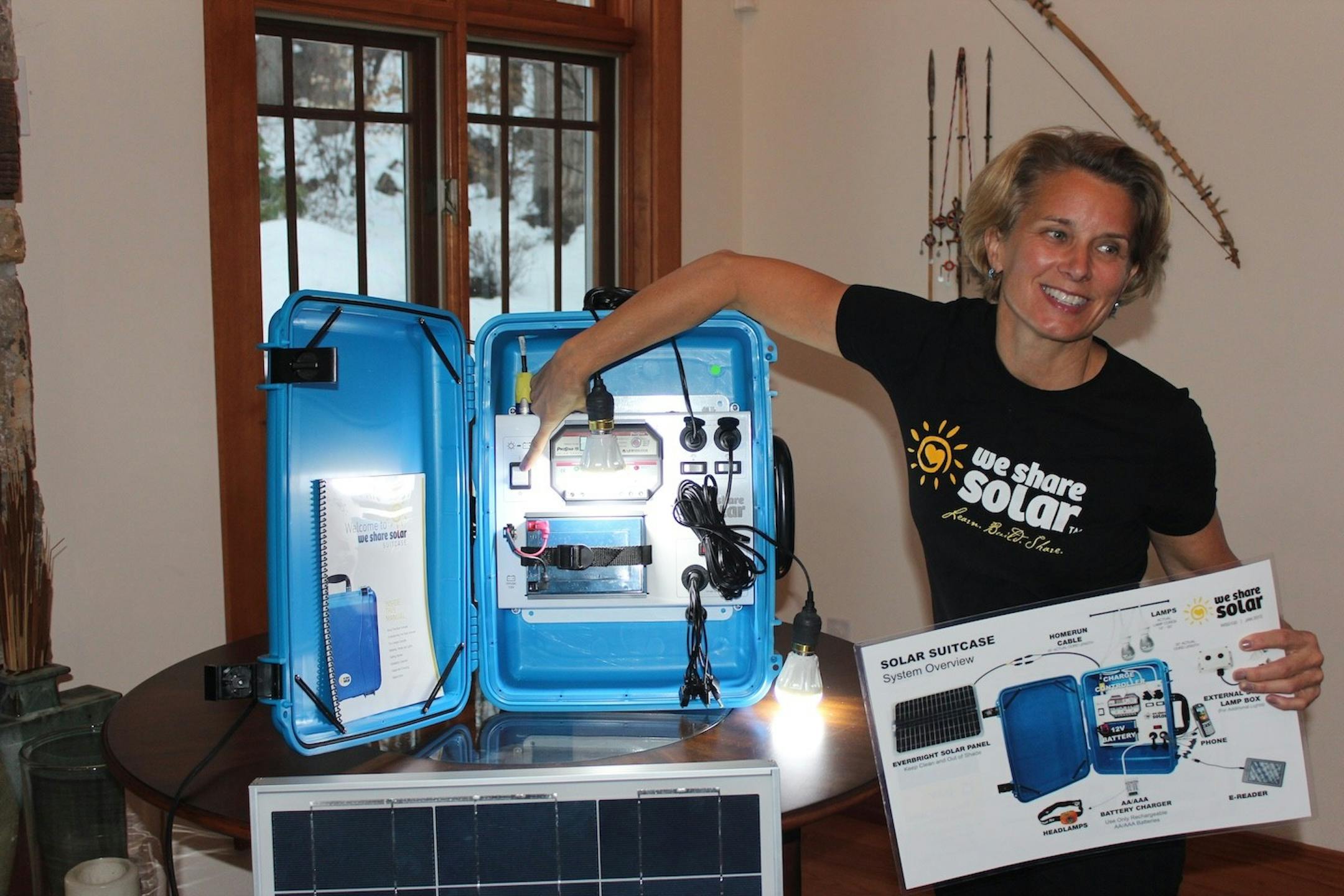
We Share Solar is the educational program of the non-profit We Care Solar, which for 15 years has provided solar suitcases to rural hospitals and medical clinics, particularly in Africa but also South Asia and Latin America. In these areas, unreliable electricity too often leaves doctors literally in the dark when attending births or other emergency health crises at night.
Early solar suitcases were built in science classes by teachers and students. As the program scaled up, specialized manufacturers took over the fabrication, but teachers continued to ask for a hands-on classroom experience. At the same time, schools and other institutions in Africa who saw the We Care suitcases in clinics asked if they could have solar power for their students. From these converging threads, We Share Solar was born.
From Minnesota Classrooms to Global Impact
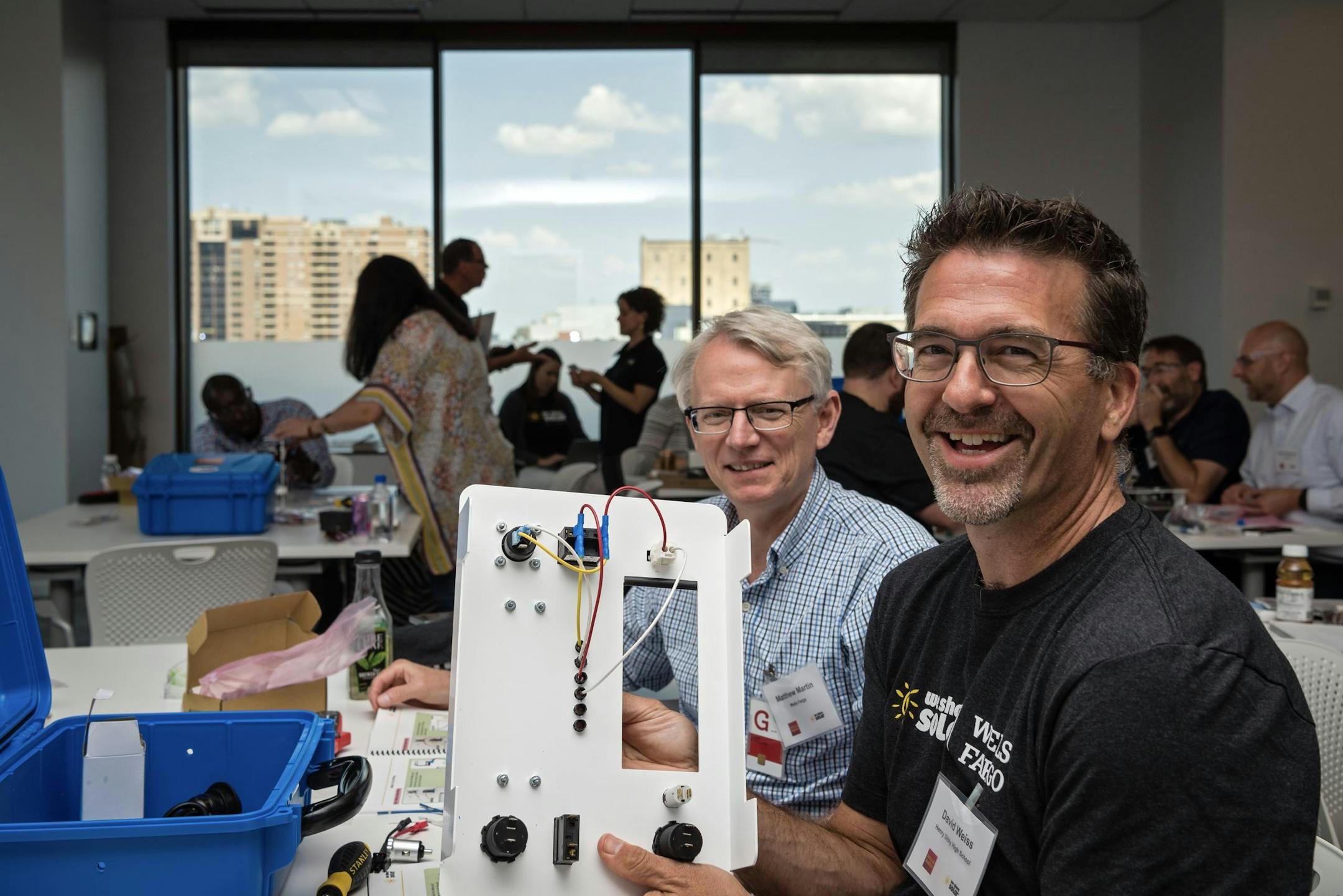
We Share Solar’s Minnesota program, launched in 2019, brings hands-on STEM learning to students by training teachers to lead solar education in the classroom. With 110 participating schools and over 11,700 students, the program equips educators with tools and curriculum to teach solar energy through real-world problem solving. In 2025, the initiative expandedwith a new Solar Learning Kit and simplified curriculum, making the lessons easier for teachers to deliver.
The organization knows that the teachers are the key to the program’s success. “We really have crafted our program to be as teacher-centric as possible, “ said Wendy Cross, Senior Director of We Care Solar. “We know that teachers have a really hard job, and they are the catalyst. The curriculum is very flexible and aligned with teaching standards. Once teachers get the training and the equipment, they’re equipped to keep running as many class sessions as they want.”
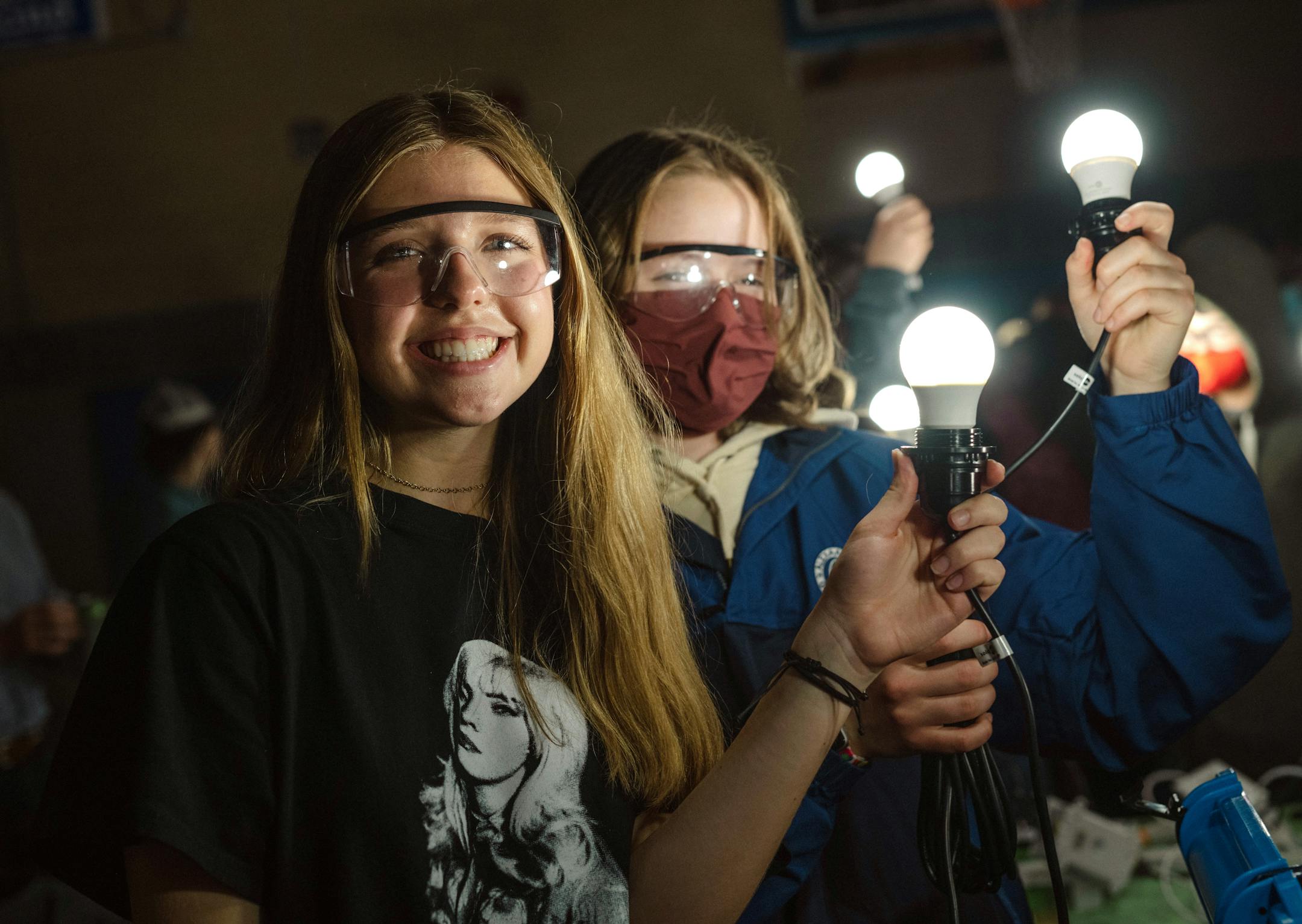
The program’s effect in Minnesota is twofold. First, it aims to get students excited about science, technology, engineering, and math (STEM). These jobs, and work in the solar field especially, have exploded in recent years, leading sponsors like Xcel Energy to view the program as an investment in a future workforce. Teachers involved in the program have noted a marked increase in student interest and confidence. By building a functional piece of technology, students gain practical skills and a deeper understanding of solar power.