

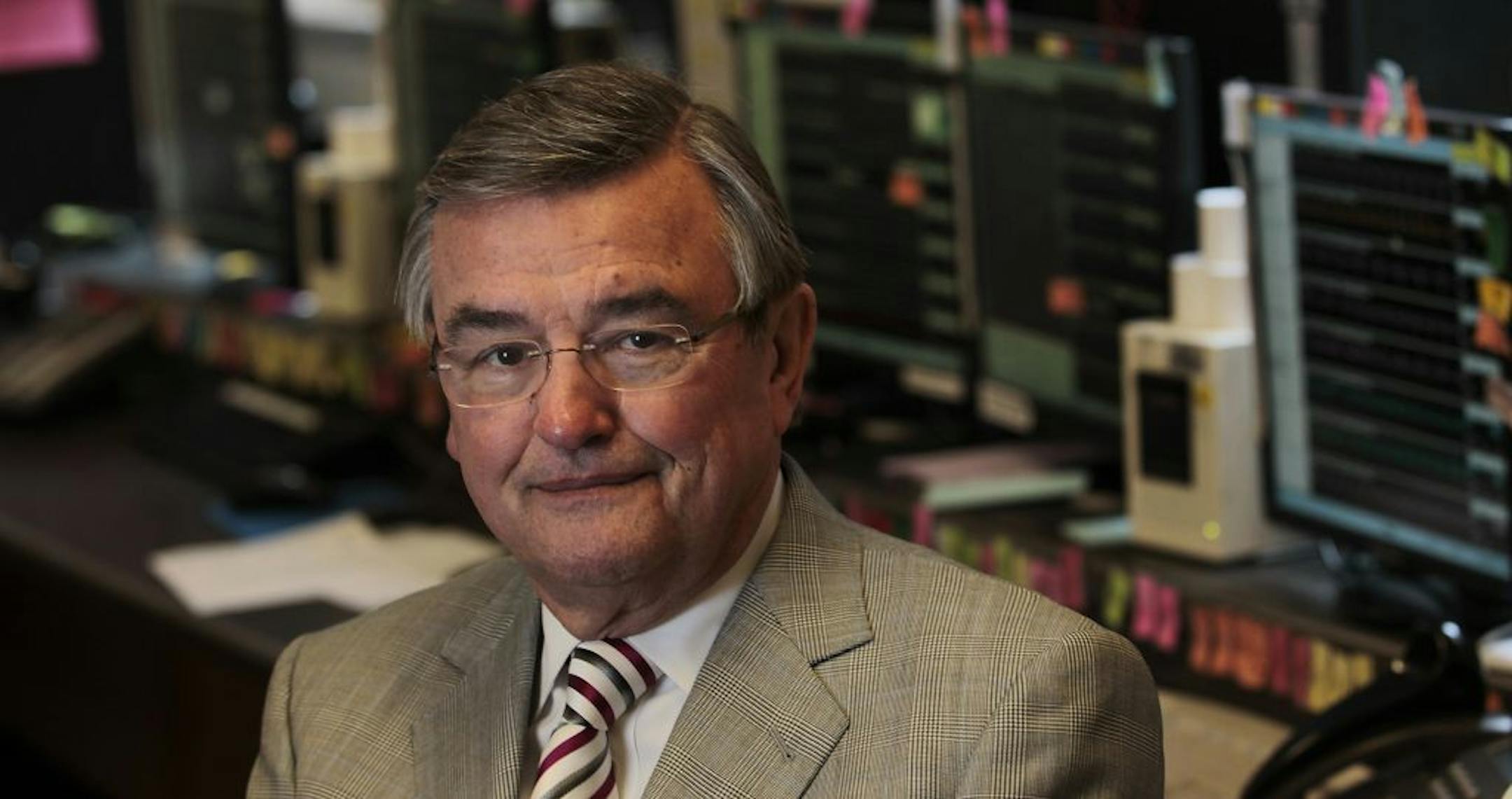
A Minneapolis cardiologist who is internationally known for exposing safety problems in heart defibrillator wires says more needs to be learned about a new device that keeps wires out of the heart before doctors put it into widespread use.
Dr. Robert Hauser of the Minneapolis Heart Institute Foundation is not raising an alarm. But he said the new device by Boston Scientific Corp. needs more study comparing its safety and effectiveness to traditional defibrillators.
"I believe the S-ICD is a very promising technology," Hauser said in an interview Wednesday. "If it is as safe and effective as transvenous ICDs, its less-invasive approach offers the potential of a better therapy. But we need to prove it. And we need to prove it in different patient populations."
Boston Scientific, a major medical technology player with thousands of Minnesota employees, made a huge investment in the technology and is banking on big things for its subcutaneous implantable cardioverter defibrillator (S-ICD) -- including attracting patients who have seen traditional defibrillators, with their wires that run through veins into the heart, as too risky. Problems with the leads fracturing or failing have been linked to patient deaths.
But Hauser is pressing doctors and patients to avoid rushing to use the new device until there is more data on whether it is as safe and as effective as traditional defibrillators.
Dr. Kenneth Stein, chief medical officer for Boston Scientific's cardiac rhythm management division, on Wednesday said the device is safe, noting that the FDA approved its sale after "looking at the totality of the data." He did agree more study needs to be -- and will be -- done on the device's effectiveness.
"There is probably more that we agree with him about than disagree with," Stein said of Hauser's concerns.
Hauser voiced those concerns in an editorial published this week in the January issue of the Journal of the American College of Cardiology.



