Opinion editor's note: Star Tribune Opinion publishes a mix of national and local commentaries online and in print each day. To contribute, click here.
•••
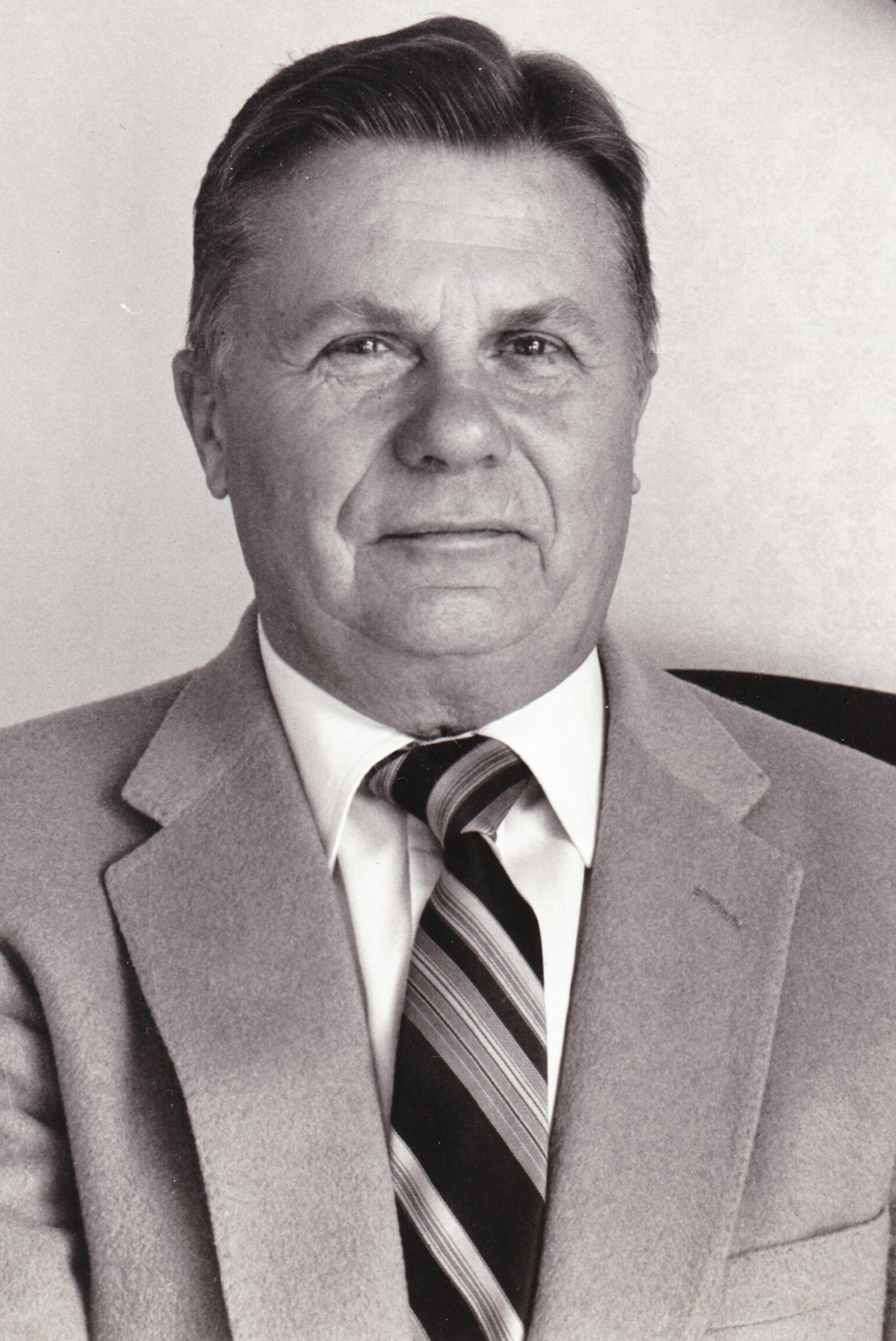
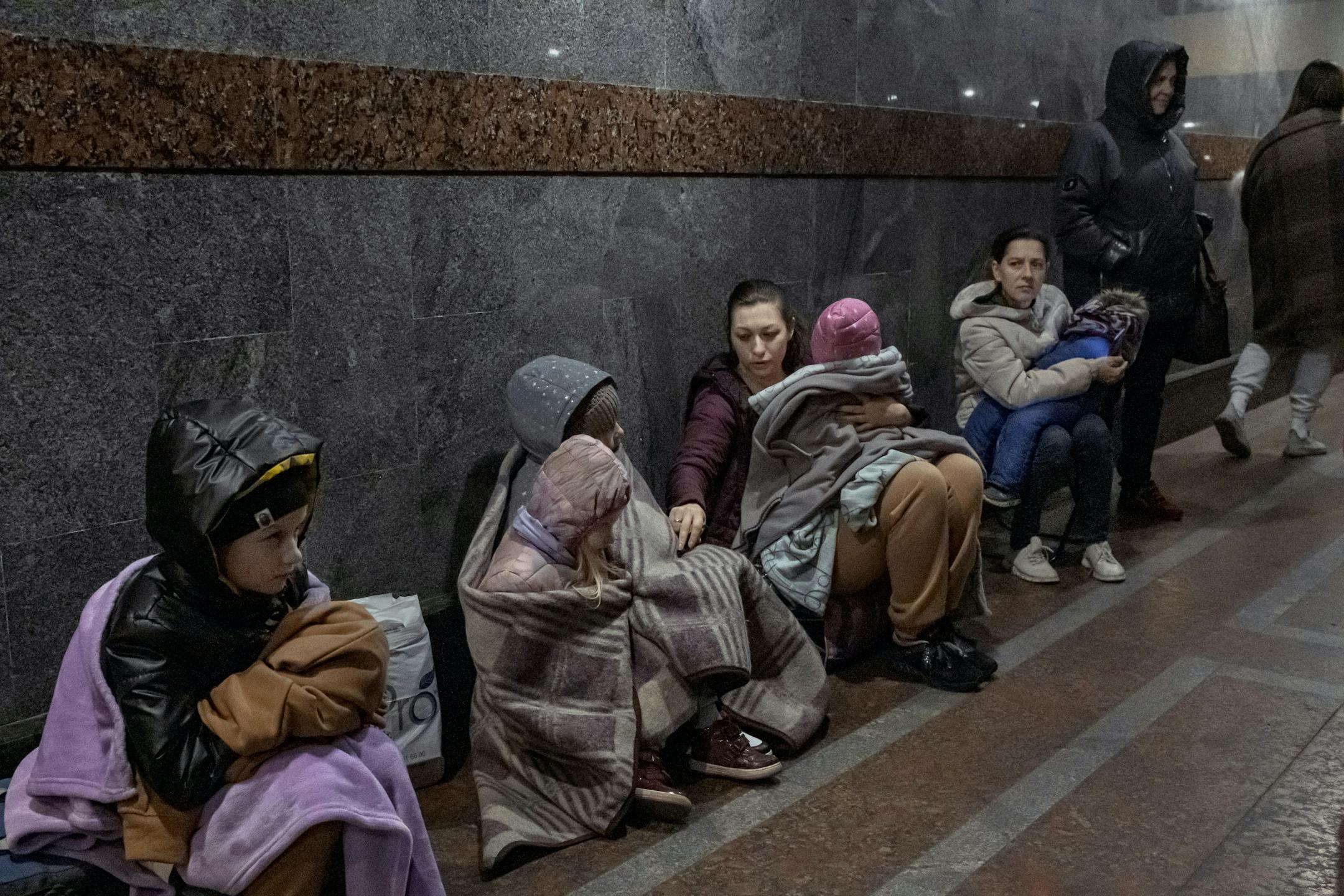
Sunday marks the eighth Father's Day since I lost my dad. After he died in 2015 at age 92 in a New Prague nursing home, I assumed the passage of time would blur my memories of him. The opposite instead has proven true, and the tragic reason for that unexpected clarity — Russia's war on Ukraine — makes me miss him even more yet grateful he isn't alive to witness the devastation in his homeland.
Eugene Kuz was born in 1923 in Lviv, a city then inside Poland's borders. His Ukrainian parents, both Lviv natives, raised him and his brothers with a deep sense of pride in their true mother country and with an equal distrust of Russia.
A few weeks before he turned 16 in 1939, Ukraine reabsorbed Lviv after the Soviet Union, led by Joseph Stalin, annexed a portion of eastern Poland on the eve of World War II. German forces invaded Ukraine in 1941, and two years later, Eugene abandoned his medical studies to enlist in the country's independent army.
He and his comrades, assembled under German command but vowing to free Ukraine from all foreign control, fought against the Red Army. Above all, they wanted Ukrainians to escape the Soviet oppression that reached its brutal apex under Stalin, with millions dying in forced labor camps, mass purges and a state-imposed famine now known as the Holodomor.
Along with several members of his unit, Eugene wound up in a British prisoner of war camp in Italy months before Germany surrendered in 1945. He knew that, for the "crime" of fighting for Ukraine's sovereignty, the Soviet machine would execute him if he returned home.
So following a decade spent between England and Ireland during which he resumed his education, he arrived in the United States in 1955. He resettled in the Twin Cities to piece together his shattered future, and in the ensuing decades, he pursued and achieved the American dream.