

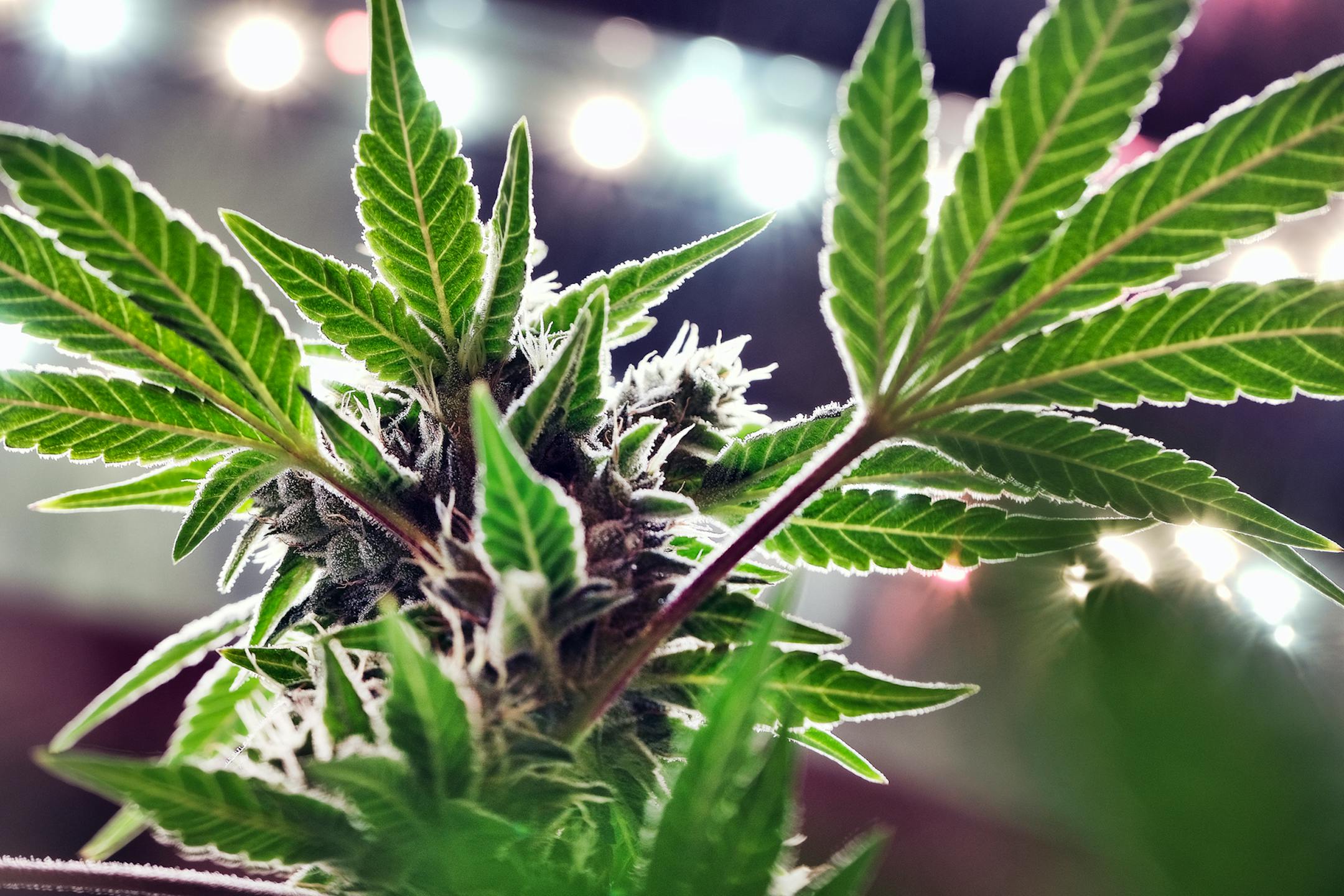
For the second election cycle in a row, a Legal Marijuana Now candidate in the Second Congressional District passed away while running for Congress. Paula Overby, a perennial fringe candidate, loved to run for public office, and state law allows candidates whose party has once achieved 5% of the vote in the past to offer up candidates without petitions or other registration obstacles.
Overby jumped into an empty LMN party slot. That's because anyone can sign up and claim to be from a party, as the state's "Affidavit of Candidacy" requires only that applicants profess to "intend to vote for the majority of that party's candidates at the next general election."
Remember 2020 in the same district? Legal Marijuana Now nominee Adam Weeks also died in September before the election, which Democratic Rep. Angie Craig won by just 2% over Republican Tyler Kistner. It was also revealed that Weeks was not actually a marijuana legalization advocate but paid to run in the expectation of taking votes from Craig, which he admitted, winning 6% of the vote as his name was required by law to remain on the ballot.
This cycle Overby's name remains on the Second District ballot too, and she's hardly the only Legal Marijuana Now candidate confusing tight races in Minnesota.
So let me clear up why supporters for marijuana legalization should no longer vote for anyone but DFL candidates.
In the 2022 legislative session, the DFL majority in the House, vocally supported by Gov. Tim Walz, passed recreational marijuana legalization in Minnesota, as have 19 other states. The bill died in the Republican-controlled Senate. Not surprisingly, this party split mirrors the one at the federal level: where Democrats generally support legalization, Republicans generally oppose.
The upshot is clear. DFL candidates support sensible legalized marijuana in Minnesota, while Republican candidates continue to militantly oppose it. Unfortunately, the narrow split between the two parties sometimes makes third party votes the difference, possibly costing Democrats the Senate majority last cycle and legalization advocates their hopes. Which is why Republican operatives stealthily filled several vacant Legal Marijuana Now party slots, fooling committed legalization voters into effectively voting to the detriment of their own position.
The saddest case may be that of legalization advocate Kevin Shores, a veteran suffering from Gulf War Syndrome who uses marijuana to help him off painkillers, who was duped into running in the Seventh District by Republican operatives who did not disclose their affiliation.


