

Opinion editor’s note: Editorials represent the opinions of the Star Tribune Editorial Board, which operates independently from the newsroom.
•••
Reflecting its relatively modest nature (and, Minnesota Gov. Tim Walz admitted this week, a small font size), the governor’s supplemental budget proposal fit on one page.
The requested $226 million in additional spending is focused in three general areas: public safety and emergency services; child care and child protection; and water quality and infrastructure.
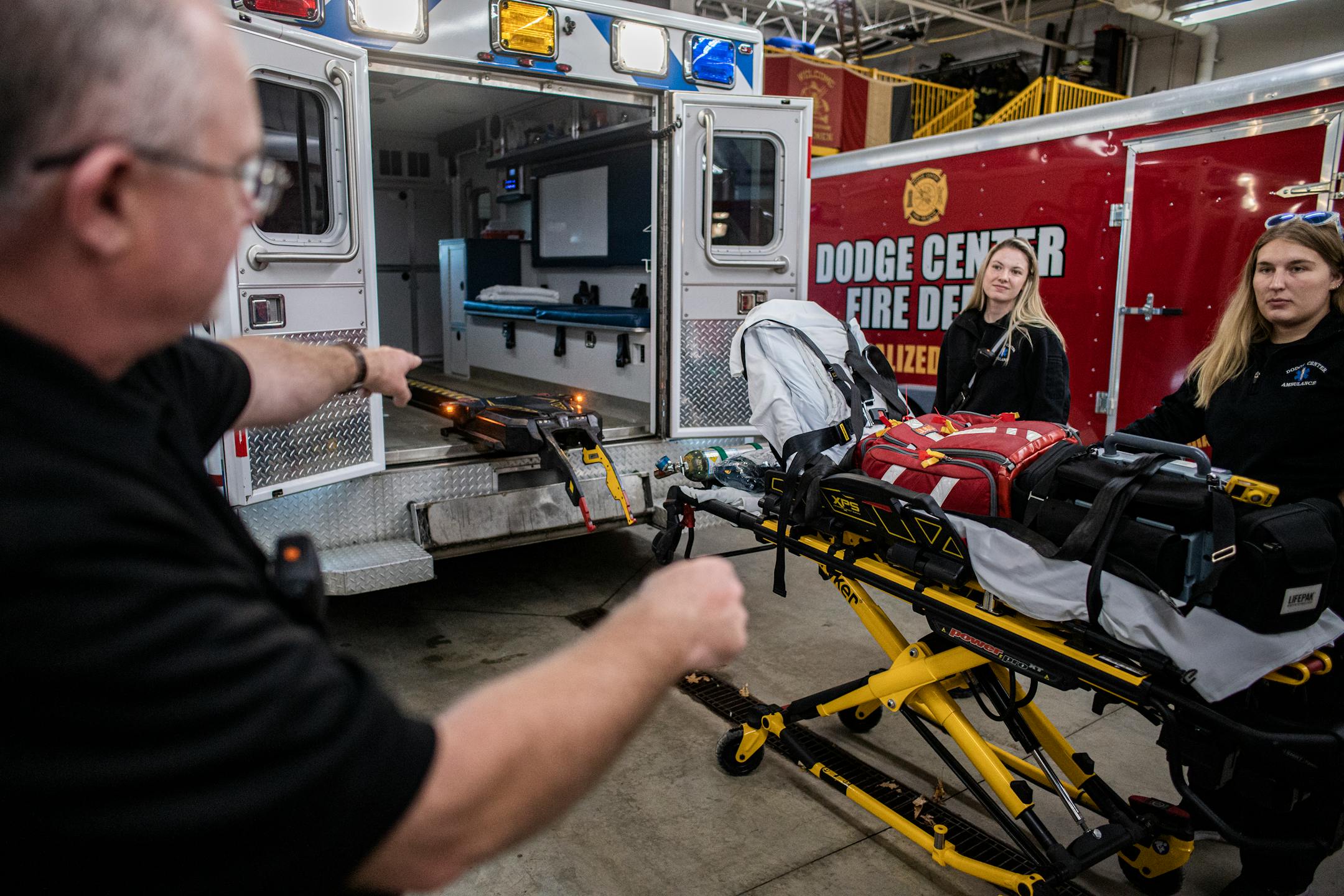
Among key components are $16 million in badly needed funding for emergency medical services (EMS) in Greater Minnesota. Most of the proposed supplemental spending, Walz said at a news conference on Monday, adheres to his position that “we’re triaging in a non-budget year to deal with the things that need to be dealt with right now.” Stressing that this is “a bonding year; it’s not a budget year,” Walz said that’s “why we’re going to meet this moment with a smaller, intentional supplemental budget that addresses statewide needs.”
One statewide necessity that requires more immediate funding than the governor is seeking is EMS. The proposed $16 million supplemental ask falls far short of the acute statewide need described previously by the Star Tribune Editorial Board and supported by multiple DFL and Republican lawmakers. Another long-term objective must be more investment in higher education; both the University of Minnesota and Minnesota State could use a boost in the bonding bill, at minimum.
But overall, Walz, a DFLer, was right to resist ringing up the tab in a year when any new spending requests should be for essential, not extra, initiatives. Not that the state isn’t projected to have a significant surplus. In fact, a February forecast projected a $3.7 billion surplus for the 2024-2025 biennium. But because so much money was committed last legislative session, there are already projections of a potential shortfall of nearly $1.5 billion over the same period. Inflation, which has come down from its post-pandemic peak but remains stubborn, could further eat into the projected extra revenue.
In announcing the February forecast, Management and Budget Commissioner Erin Campbell said that “It is worth noting that caution should still be exercised this session when it comes to ongoing spending.”


