

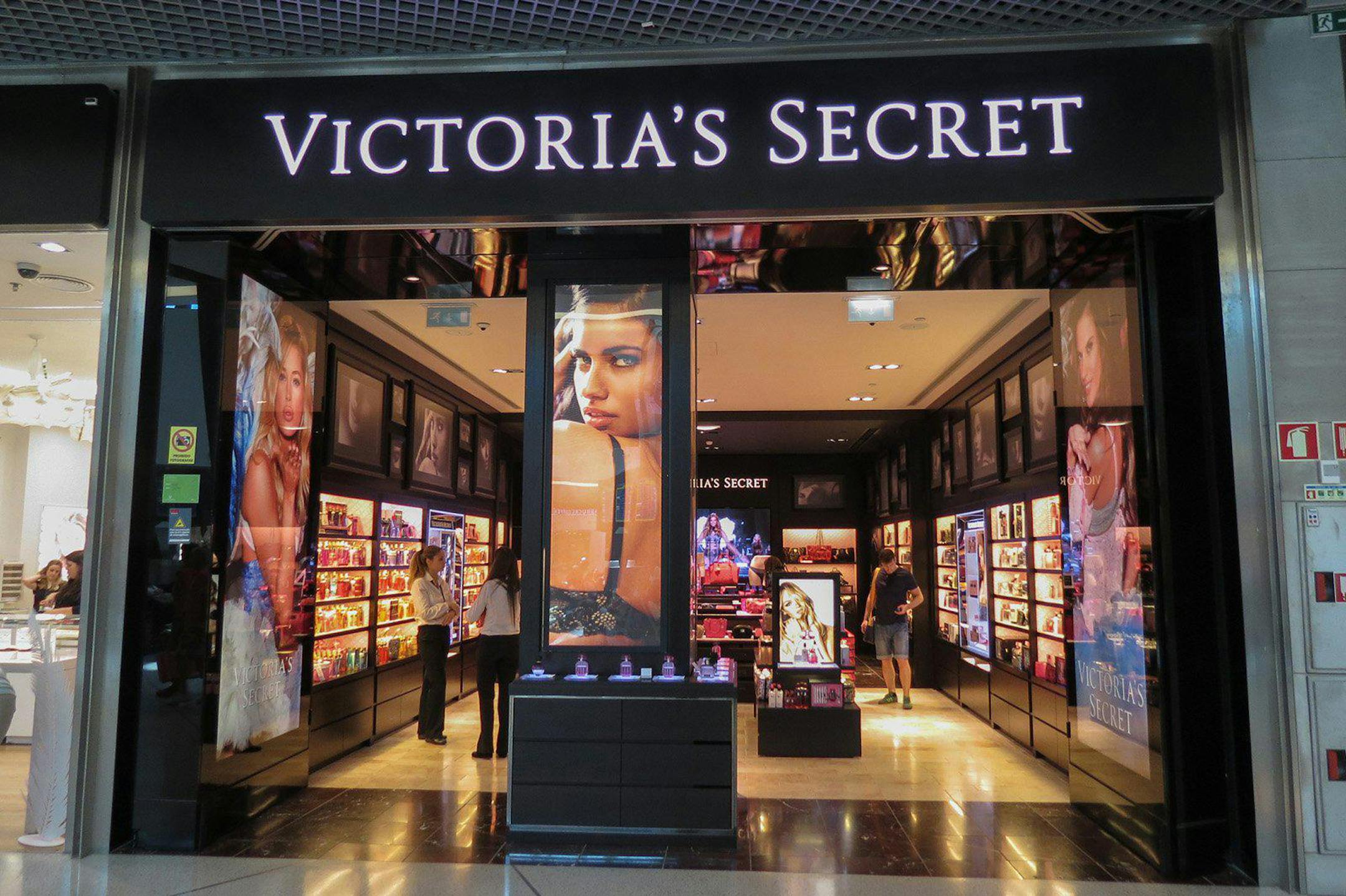
Picture a fleet of merchant ships far out on the glistening Pacific, each one carrying about 600,000 tons of freight.
The cargo is curious: candy-colored strips, strings and scraps composed mostly of synthetic polymers from factories — some say sweatshops in places such as Sri Lanka and Jordan. It's all dignified with the posh word "lingerie," which is French for "linen," though linen is almost nowhere to be found in the heaps upon heaps of petroleum-based morsels.
And then, oh boy. This cargo of strips and strings gets further transformed, by the Ohio-based branding juggernaut known as Victoria's Secret.
Right this minute, in fact, a few tablespoons of pink petroleum-based fabric and cord can be purchased for $12 in the form of the Dream Angels V-string Panty in neon peony.
But while a thong like this — a piece of excruciatingly abrasive and eventually filthy twine that passes through the buttocks and barely covers the genitals — is still on offer at Victoria's Secret, other things at the brand are changing. Sort of.
On Wednesday, the company unveiled a new pseudo-feminist campaign designed to revive the ailing brand, to update its soft-porn aesthetic and perhaps its high-profile ties to the prolific sex offender Jeffrey Epstein.
"We needed to stop being about what men want," Martin Waters, who was appointed chief executive of the brand in February, told the New York Times, "and to be about what women want."
The first sign of the new Victoria's Secret is a set of seven grayscale headshots of high-achieving women appearing at the top of the brand's homepage.


