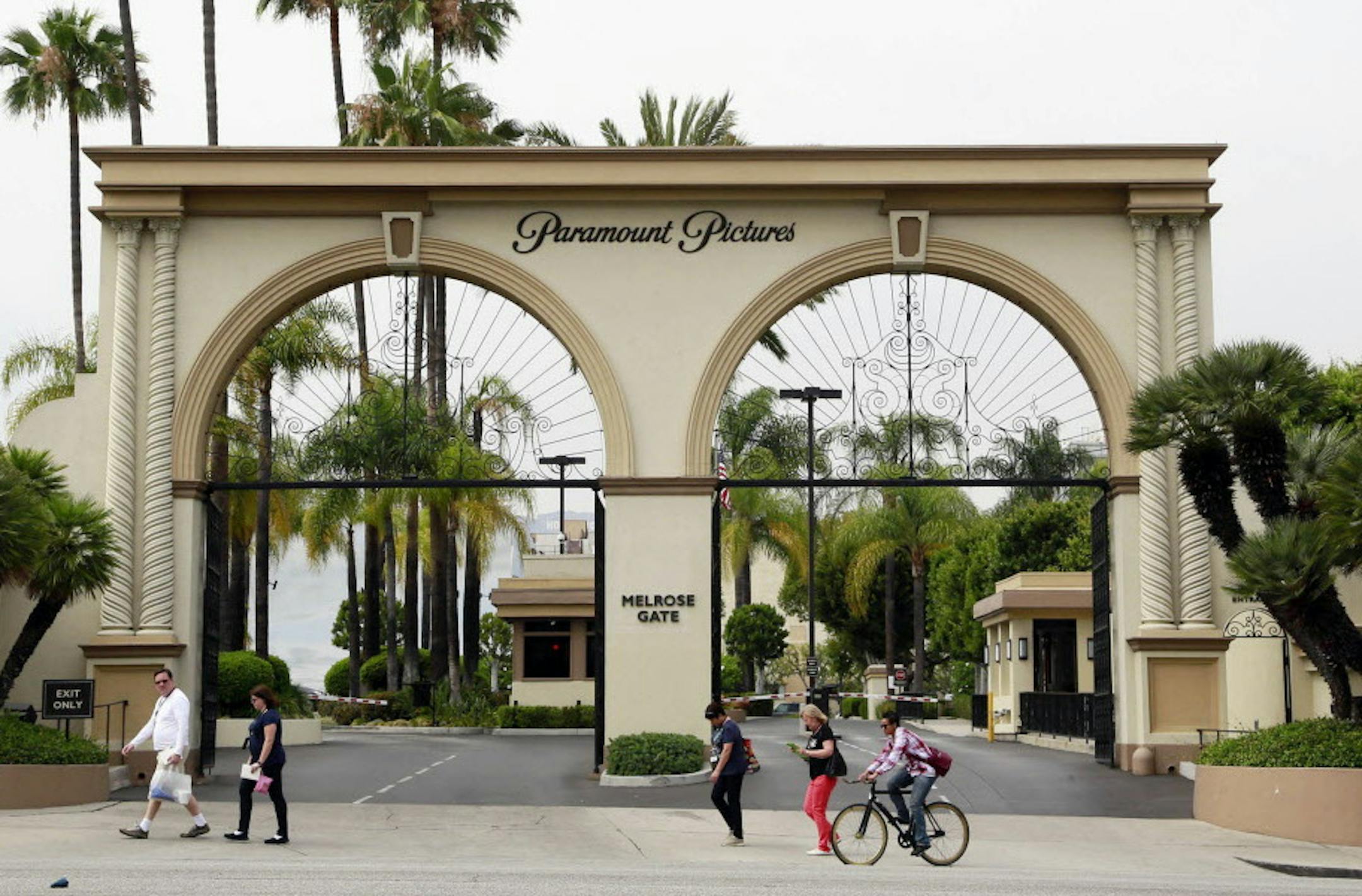
After buying the parent of Paramount Pictures in an epic $10 billion takeover battle in 1994, Sumner Redstone said he wanted to own that business "forever."
Last week, his successor as chairman of Viacom, CEO Philippe Dauman, said he's looking to sell a slice of the storied studio, a crown jewel of the movie industry that produced "The Godfather" and "Raiders of the Lost Ark."
The move shows how far Viacom has fallen. Both of its businesses, TV and movies, are in turnaround mode, and Redstone, 92, its controlling shareholder, is in frail health and facing questions about his mental competence.
Those problems have been exacerbated by the same pressures the whole media industry is experiencing. Viacom's main business — cable TV networks — has withered in a changing climate marked by shrinking ad sales, viewer losses and potent online rivals like Netflix Inc. Other media companies are also vulnerable to those changes and may have to consider their own drastic measures.
"What does Viacom need? They need some money," said Mario Gabelli, whose Gamco Investors Inc. is the second-largest holder of Viacom's voting shares behind Redstone. "Philippe has to do something."
Just a couple of years ago, media shares were surging as the industry appeared to have successfully navigated the transition to digital distribution while protecting its lucrative pay-TV revenue. Walt Disney Co. upended that view in August with the revelation that even must-have cable channels like ESPN are losing subscribers. That led to a 15 percent drop in the Standard & Poor's 500 Media Index, which includes Disney, Comcast Corp. and Viacom.
Viacom, with 78 percent of its revenue coming from cable networks like Nickelodeon and MTV, has fallen hardest. Its Class B shares are down 34 percent since August.
Gabelli, a longtime media investor, said that others in the business, including AMC Networks Inc., Sony Corp. and Lions Gate Entertainment Corp., may be forced to find partners to navigate these choppy waters. Some are predicting a shake-up where smaller players are forced to sell out, and larger players turn to technology companies or foreign investors as a source of cash or strategic help.