

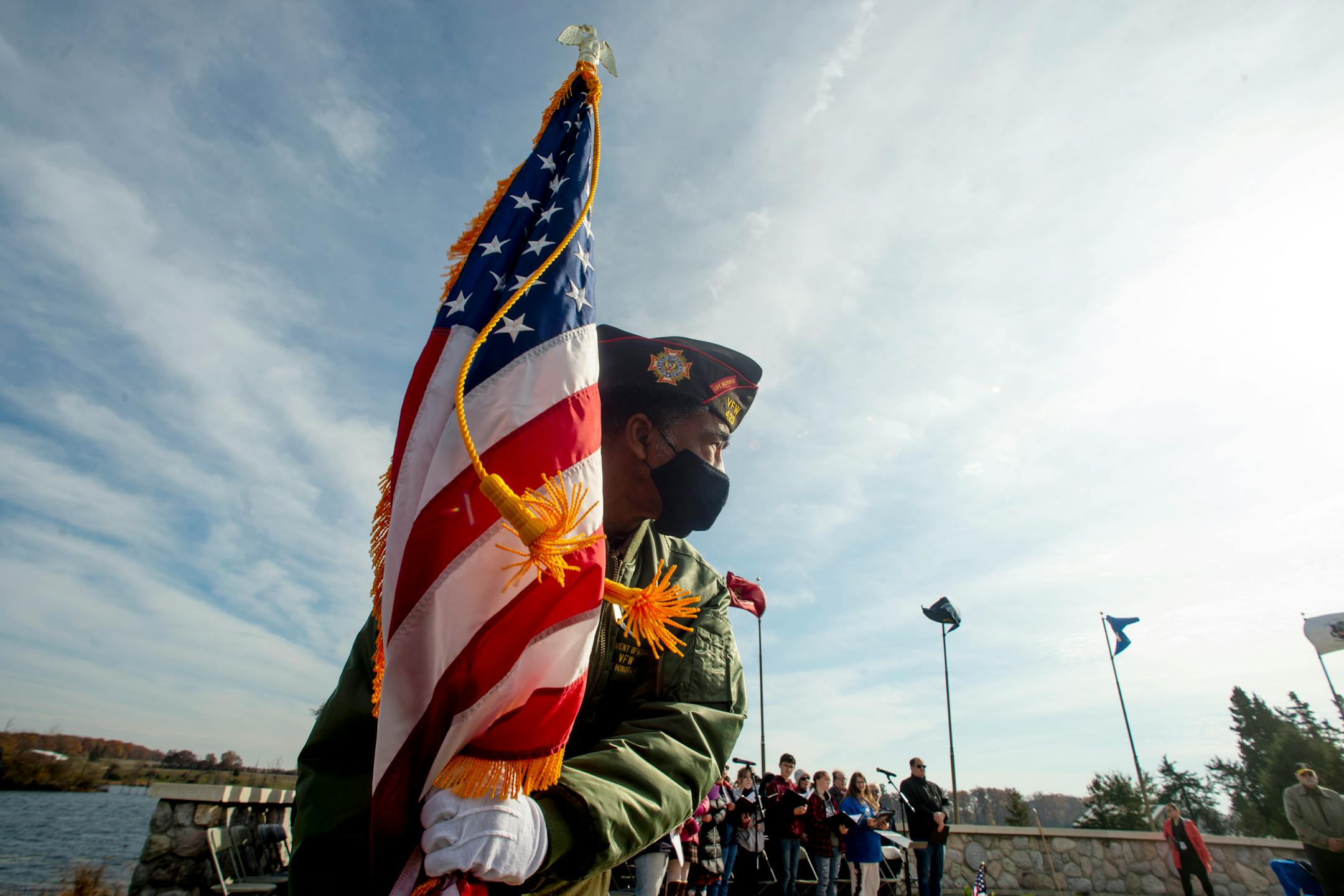
Scammers know too well that one of the best ways to scam a veteran is to pretend to be a veteran — or some group that is friendly to military consumers.
Nearly one third of the vets and military consumers who responded to a new AARP survey lost money to scammers pushing fake veteran or military charities.
"Scammers know that veterans, we want to help out other veterans," said Troy Broussard, a senior advisor on AARP's Veterans and Military Families Initiative and U.S. Army Desert Storm veteran.
The fraudsters often target veterans, active-duty military and their families by first attempting to make a connection and create the impression that they've theoretically been in the foxhole together with the target.
Once a sense of camaraderie is established, the fraudster can pitch a fake charity, a false promise for free medical equipment or a variety of other scams targeting military consumers.
Veterans, active-duty service members and their families are nearly 40% more likely to lose money to scams and fraud than the civilian population, according to the new AARP survey called "Scambush: Military Veterans Battle Surprise Attacks from Scams and Fraud."
The survey found that veterans, military and their families continue to be targeted more by con artists. "The real culprit here is the scammer, not the person who has been victimized," Broussard said.
The Federal Trade Commission reported that military retirees and veterans who filed reports with the agency in 2020 lost $66 million. The median fraud loss was $569, according to the FTC's annual Consumer Sentinel Network report released earlier this year.


