

Opinion editor’s note: Strib Voices publishes a mix of guest commentaries online and in print each day. To contribute, click here.
•••
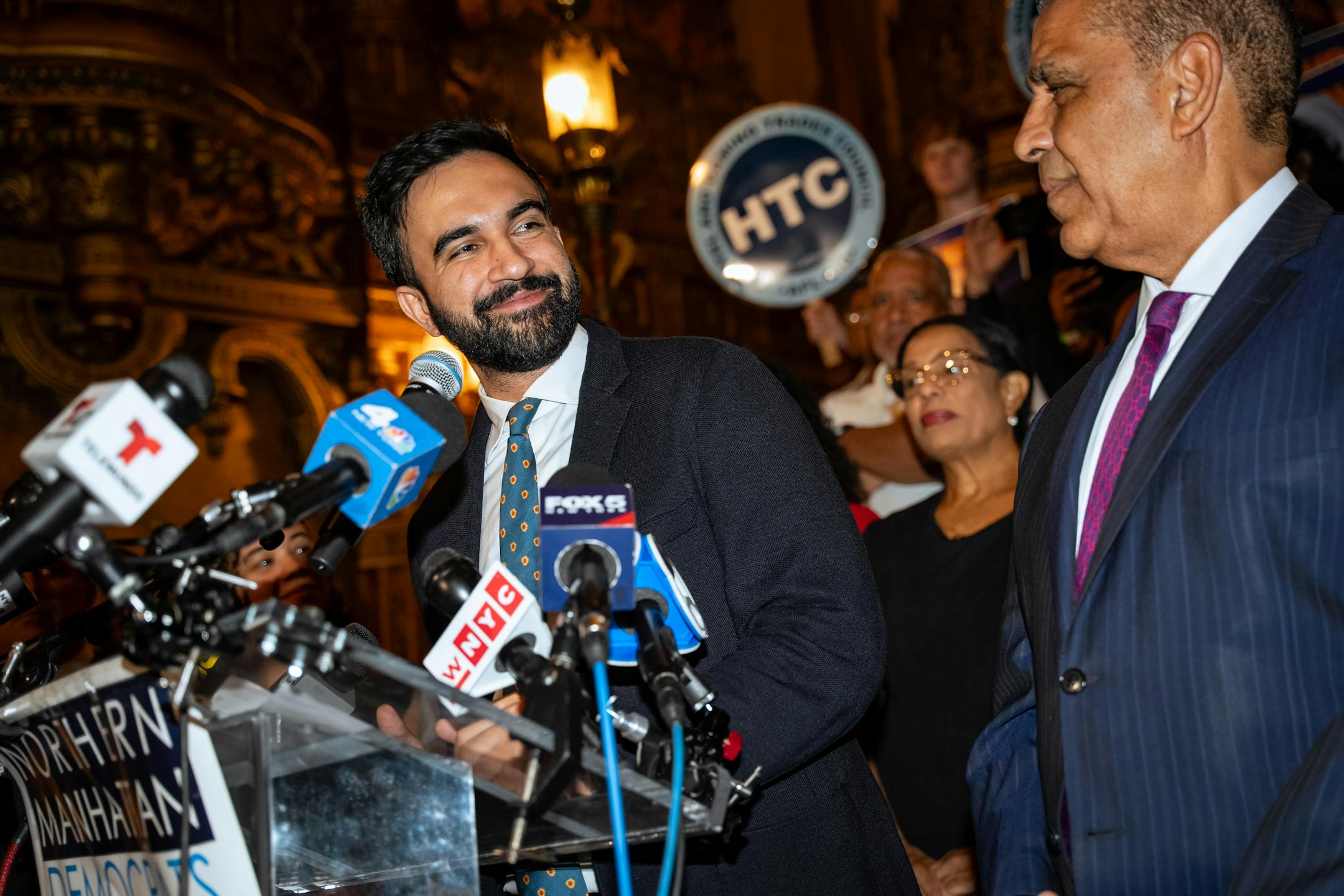
From the nomination of Zohran Mamdani for mayor of New York City to the attempted expulsion of members of the Democratic Socialists of America from the Minneapolis DFL, summer 2025 has given us several opportunities to debate the role of socialists in the Democratic Party, and in Minnesota’s political ecosystem specifically. It’s about time.
Please allow me to make the case that anyone interested in a more functional and coherent political discourse should welcome the active and visible presence of democratic socialists in national and state politics.
To start somewhere I think most will agree, our country is facing some massive challenges: Americans are increasingly isolated, increasingly untrusting of major institutions and increasingly frustrated by the material circumstances of their lives. The rise of hateful, violent rhetoric and action, as well as a declining birthrate, signal a terrifying instability in our society.
As a leftist and a professional policy analyst, this instability seems to me the clear result of decades of bad governance by both parties. As a country, we have been unable to make progress on the same problems that have been debated for decades: Health care and housing are still unaffordable and inaccessible, child care costs more than many a full-time salary and the climate seems bound for worsening disaster.
What got us here? Certainly not a shift left, as cynical Republicans and Democrats laughably assert — judged by redistribution and public investment, the U.S. has some of the most conservative politics in the developed world. The answer, if anything, is the opposite: Misguided moderation and catering to corporate interests has suppressed government intervention to an unrealistic and dysfunctional degree.
The instinct to avoid the socialist label has contributed to the privatization of key services, divestment from essential public institutions, and the conversion of social welfare policy to opaque and inequitable tax credits. This has resulted in a government that is both less functional and less trustworthy.


