

Opinion editor’s note: Strib Voices publishes a mix of guest commentaries online and in print each day. To contribute, click here.
•••
I first set foot in the U.S. 50 years ago this month, arriving in San Francisco years before many more would come through that gateway into America in pursuit of career and fortune in Silicon Valley.
But for this immigrant, my pursuit quickly turned romantic after I met a young Minnesotan who was taking a gap year before college with an au pair gig in the Bay Area. The gap stretched two more years as the love affair blossomed. Then it was my turn. Packing everything I owned into an aging VW Beetle, I drove cross country to a place I’d only vaguely heard about.
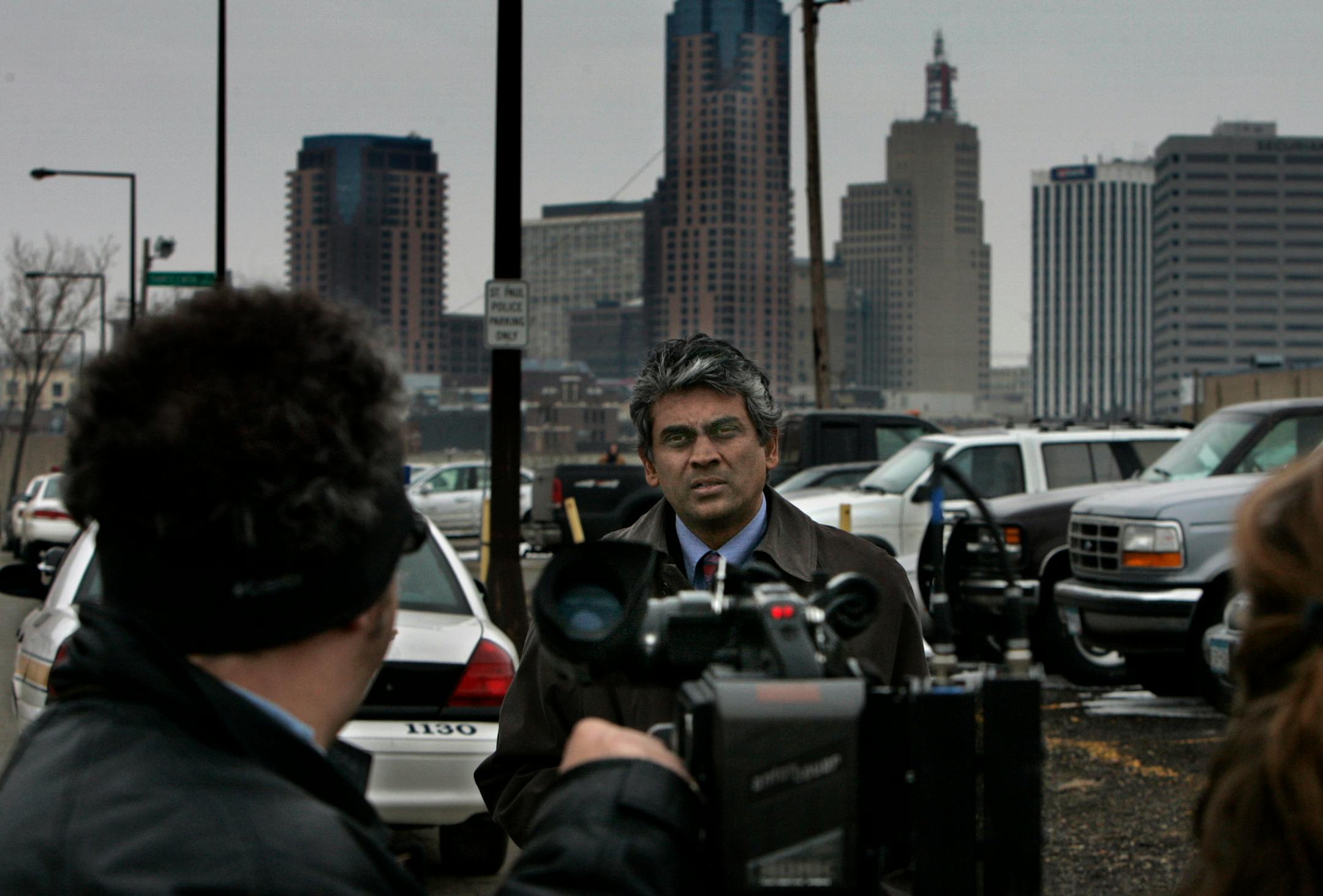
I could not have imagined that I would make a career reporting from and about the North Star State, and over time, from far beyond.
Minnesota was not a north star for many migrants when I got here, but that would begin to change in the years that followed, including after a landmark event that happened also to be my first assignment for what was then the “MacNeil/Lehrer NewsHour” on PBS: the Hormel meatpackers strike in Austin, Minn., in 1985.
For months the workers bitterly protested Hormel’s move to cut their wages by a third, but in the end the company prevailed and the strikers were fired. Wages plummeted across the industry, and slaughterhouse work, which had become a middle-class occupation in the postwar decades, went back to its 19th-century roots as an employer of new immigrants, an on-ramp into the American workforce where the jobs require knife-handling more than English skills.
The immigrants were European back then, and even hanging around that picket line, I might have seen one nonwhite face — had I carried a mirror with me. But these days, stop by any meat or poultry plant around shift change and the most striking shift you’ll see is demographic, with Latino, Black and Asian workers milling in and out.


