

Opinion editor’s note: Strib Voices publishes a mix of guest commentaries online and in print each day. To contribute, click here.
•••
For the past four decades, America’s war on drugs has been an absolute failure. Millions of lives across the Americas have been drastically impacted by this never-ending cycle. I’m a first-generation Colombian American. Drug trafficking is deeply ingrained in my birth nation’s history. Colombia is America’s longest and closest ally in Latin America and has worked closely with the U.S. for decades to eliminate the production of cocaine. However, cocaine production in Colombia has reached an all-time high.
According to the U.S. Drug Enforcement Administration, groups in Colombia produce 70-80% of the world’s cocaine. The DEA estimates that Colombia produces $400 million worth of cocaine each week. Gone are the 1980s and 1990s, which saw the rise of infamous cocaine kingpins like Pablo Escobar and the “Gentlemen of Cali.” The current kings of cocaine are nameless and profiting more than their infamous predecessors.
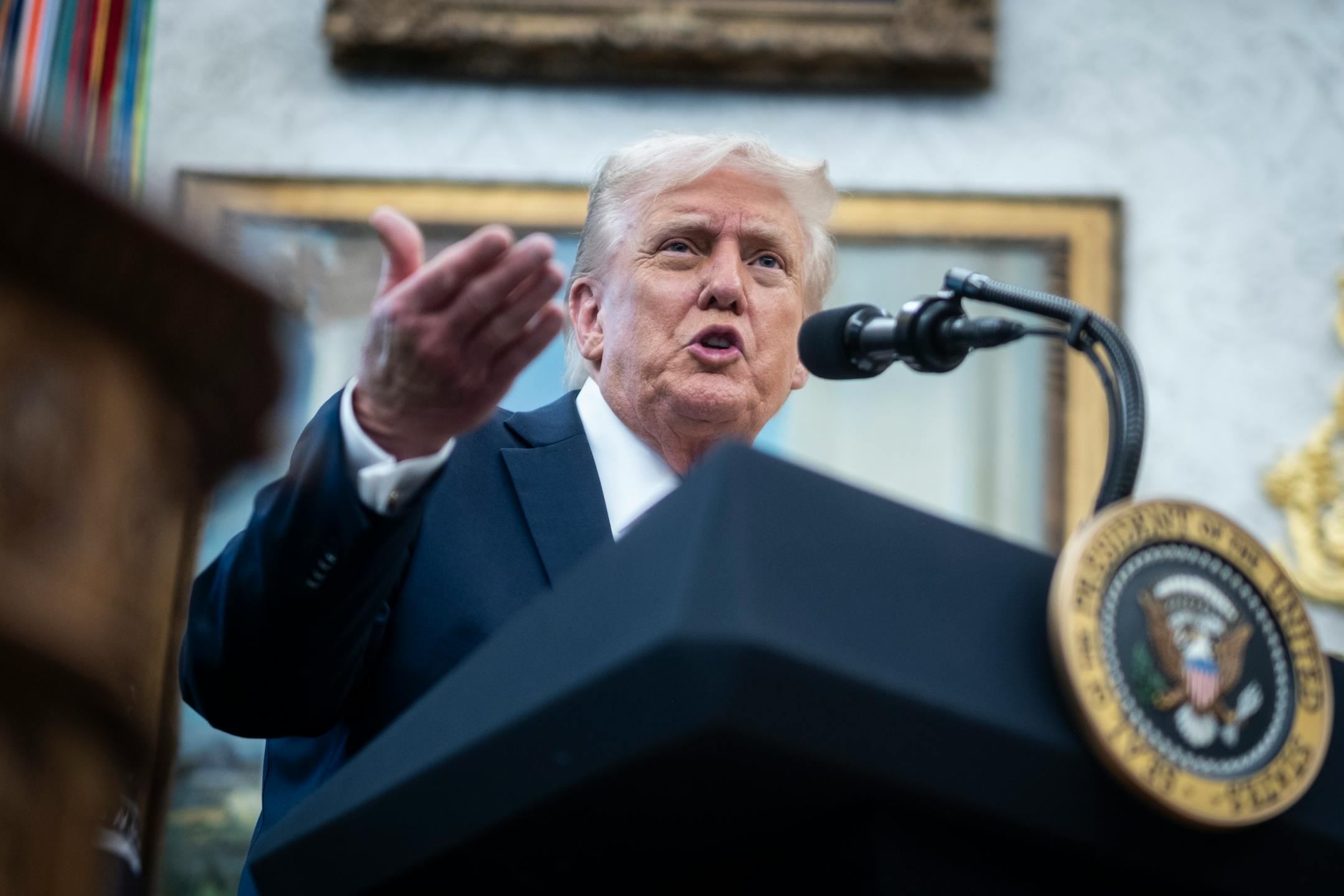
In recent weeks, President Donald Trump has accused Colombian President Gustavo Petro of being an “an illegal drug leader strongly encouraging the massive production of drugs.” The Trump administration sanctioned Petro and cut around $450 million of annual aid to Colombia, which it uses in the fight against drug trafficking.
With cocaine production at an all-time high in Colombia, the Trump administration began a campaign of striking vessels in the Caribbean Sea and Pacific Ocean allegedly carrying illegal drugs. Dozens have been killed in these military strikes, outraging Petro. In protest, he announced that Colombia would not be sharing intelligence with Washington. The United Kingdom also stopped sharing intelligence with Washington due to the concern of the legality of the boat strikes.
If the Trump administration is serious about combating drug trafficking, alienating two of America’s closest allies is not only unwise but dangerously counterproductive. The reality is that America needs access to Colombia’s intelligence and trafficking routes to help reduce illegal drug trafficking. This is more important than ever with Venezuela as a threat to regional stability and American national security.
Despite political differences between Washington and Bogotá, cooperation between both nations should not be conditional on political mood swings. Latin America has seen this pattern before, and it almost always ends with fractured relationships that empower criminal syndicates.


