
Opinion | Proposed ‘safety’ bill would undermine accountability for lawmakers

The legislation, which Sen. Amy Klobuchar sponsors, won’t fully stop data brokers from trafficking personal information, but might impede watchdogs and constituents.

September 23, 2025 at 7:54PM
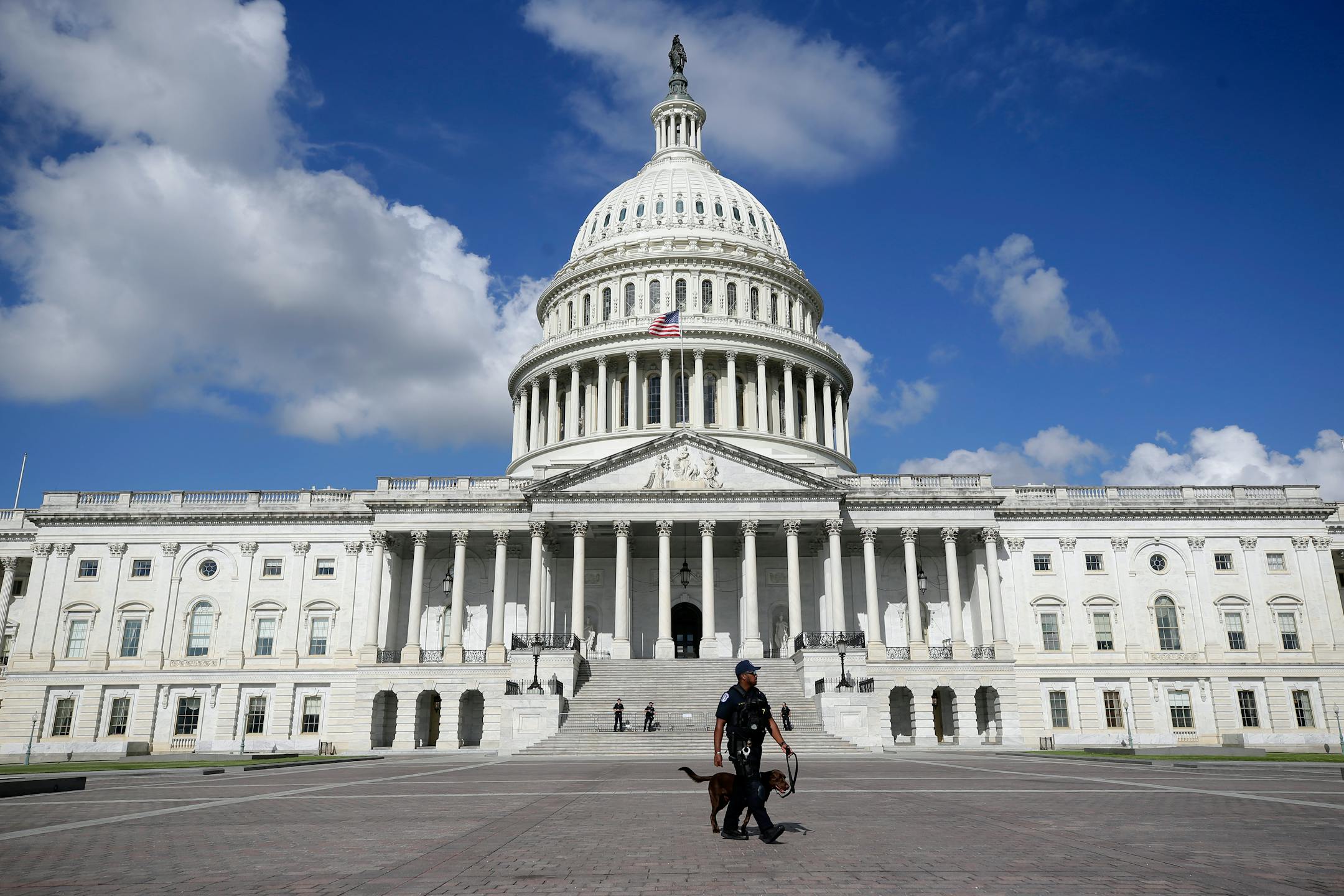
A U.S. Capitol Police officer walks in front of the U.S. Capitol, Aug. 22 in Washington. (Rahmat Gul/The Associated Press)

Opinion editor’s note: Strib Voices publishes a mix of guest commentaries online and in print each day. To contribute, click here.

•••

The shocking assassination and shooting of two Minnesota lawmakers and their spouses at their homes earlier this summer has reignited the campaign to rein in data brokers, companies that sell people’s private information.

The alleged Minnesota assassin was caught with a list of data broker websites and politicians’ home addresses. Scammers also use data brokers to target older Americans. Immigration and Customs Enforcement uses them to detain immigrants. Stalkers and abusers use them to threaten and harass domestic violence victims and journalists. The list goes on.

Yet a pending bill in Congress level aims to protect just one of the impacted groups — lawmakers — not just from data brokers but from reporters and activists as well. The bill, sponsored by Sens. Amy Klobuchar and Ted Cruz, does nothing for the rest of us except undermine our ability to hold lawmakers accountable. It would allow members of Congress to remove information about themselves from the internet altogether, regardless of whether data brokers are involved.

But even more strangely, the legislation falls short of its own goal of stopping data brokers, and therefore won’t make members of Congress safer. As a coalition of rights groups explained recently, the bill falls short of what we should expect from Congress, in terms of both efficacy and transparency.

The bill wouldn’t adequately protect lawmakers from data brokers because it wouldn’t apply to certain data brokers at all. The bill specifically exempts any data broker covered by the Fair Credit Reporting Act, a federal law governing the collection and use of consumer information, or the Graham-Leach-Bliley Act, a federal law that protects sensitive data held by financial institutions.

This loophole means that bad actors could still buy lawmakers’ private information from data brokers, such as those who acknowledge that they’re subject to the FCRA or Graham-Leach-Bliley Act in state-mandated filings. The Federal Trade Commission has won large settlements from data brokers under the FCRA, including from at least two found on the list of the alleged Minnesota assassin, Spokeo and TruthFinder.

At the same time, the bill’s provisions empowering lawmakers to scrub the internet of personal information about them would seriously harm speech and press freedom. Once a lawmaker demands the removal of information, a person or business would have just 72 hours to comply.

To their credit, the bill’s drafters attempted to blunt the impact on free speech by exempting information that is “part of a news story, commentary, editorial, or other speech on a matter of public concern.” But that won’t stop politicians who want to suppress compromising information posted about them online.

Just as politicians have used baseless defamation lawsuits to silence speech, they could use their new powers to censor information posted about them by watchdogs, journalists and citizens. Even meritless removal demands will be effective if the victims don’t have the funds or ability to contest them, or if news outlets’ corporate owners decide it’s not worth spending money or damaging relationships to pick a fight.

Independent and citizen journalists would be vulnerable to bad-faith claims that their articles aren’t “news stories.” At the same time, traditional media outlets could be subject to “fake news” arguments.

Consider a community newspaper, say in Cruz’s home state of Texas, that reports that its readers’ U.S. representative has been missing votes because she’s been living in a specific memory care facility. Assume the representative’s lawyers demand the news story’s removal under Klobuchar’s and Cruz’s bill, claiming the article identifies her home address.

The newspaper may have a valid defense given the obvious public interest in the story. But if it doesn’t have the money to hire an attorney, particularly if the case lands in front of the wrong Texas judge, it may have no choice but to remove the reporting.

Plus, the exemption misunderstands how reporting works. Journalists don’t know something is newsworthy until they have the information they need to connect the dots.

Regular Americans who post on social media pages about members of Congress — for instance, about a local lawmaker sending their child to a particular school while refusing to fund education — are even more unlikely to resist removal demands. If the demand is sent directly to a profit-driven social media company with no stake in the story, it likely won’t even consider putting up a fight.

In exchange for this loss of freedom of speech, and the sacrifices of transparency and accountability that go along with it, what do we get? A false sense of security for members of Congress — and diminished transparency for the rest of us. Congress can and should regulate the sale of all Americans’ personal information by data brokers. But Klobuchar’s and Cruz’s bill fails to address that threat, for lawmakers or anyone else, while making our government less accountable. The only thing it will keep lawmakers “safe” from is investigative journalism.

Caitlin Vogus is a senior adviser for Freedom of the Press Foundation (FPF) and a First Amendment lawyer.

about the writer

about the writer

Caitlin Vogus

More from Commentaries

See More
card image
Tribune News Service

The solution isn’t only in how we act in the digital environments where citizens now meet. It’s in how they’re designed. We can lead the change.

card image
card image