
Opinion editor’s note: This is the third in a four-part series of columns about the impact of federal decisions on agriculture, with a focus on one particular Minnesota farm family, the Johnsons. A final installment is anticipated at the year’s end. Visit these links to read the first and second columns of this series.
•••
KENYON, Minn. — “Combine’s stuck.”
With that brusque announcement from a neighbor enlisted as harvest help, the synchronized movements of men and machinery grind to a halt on Ben and Meredith Johnson’s Goodhue County farm.
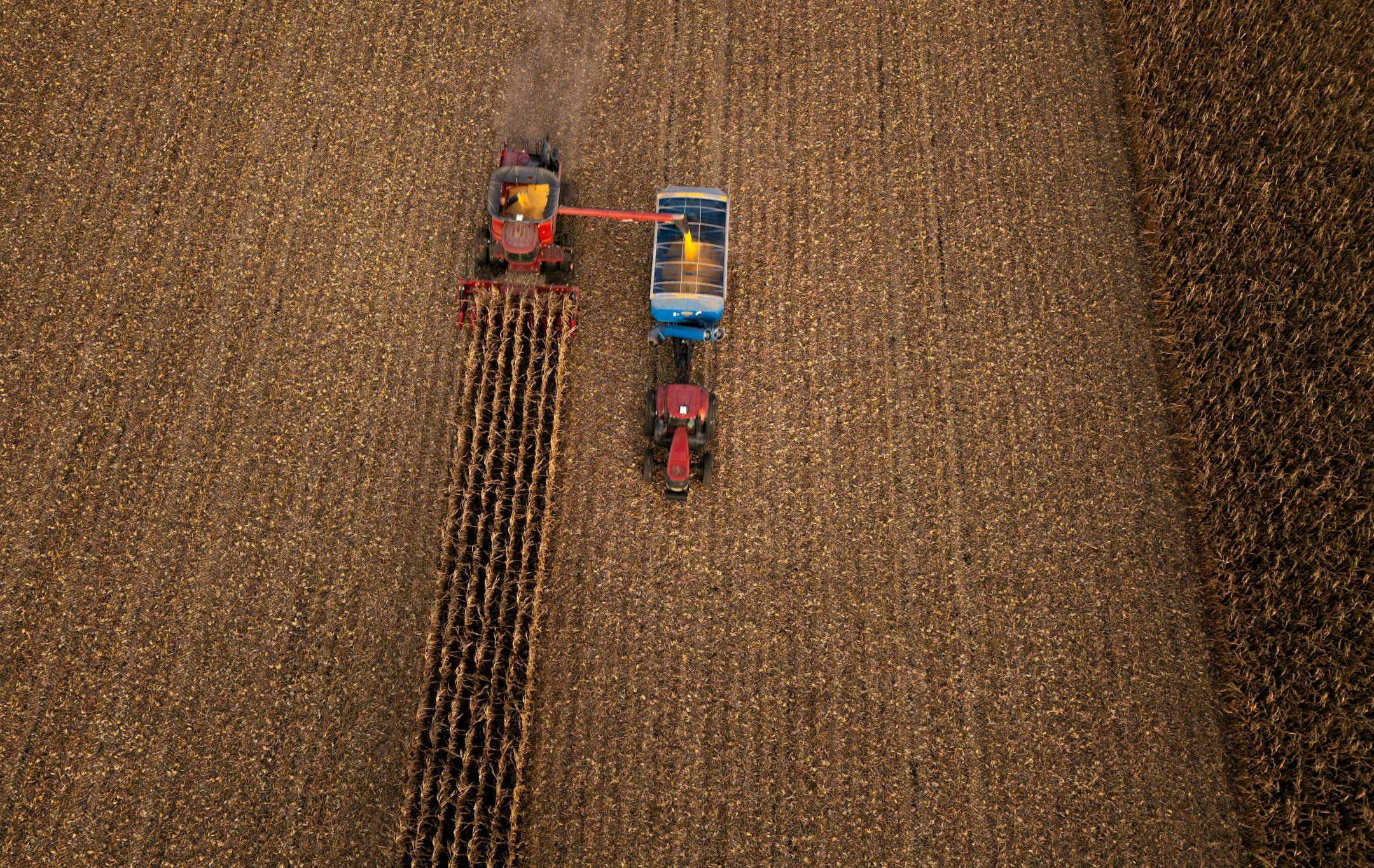
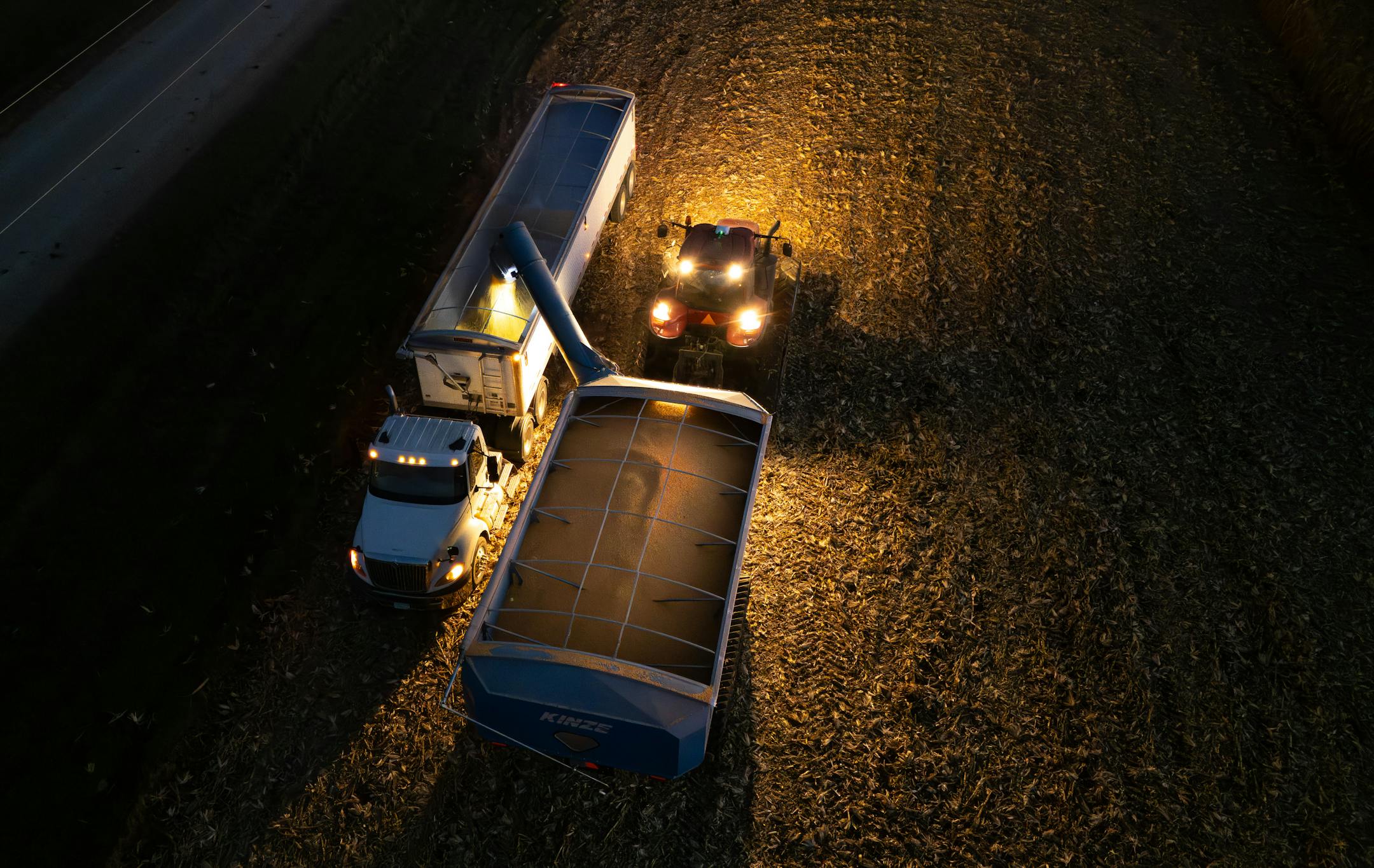
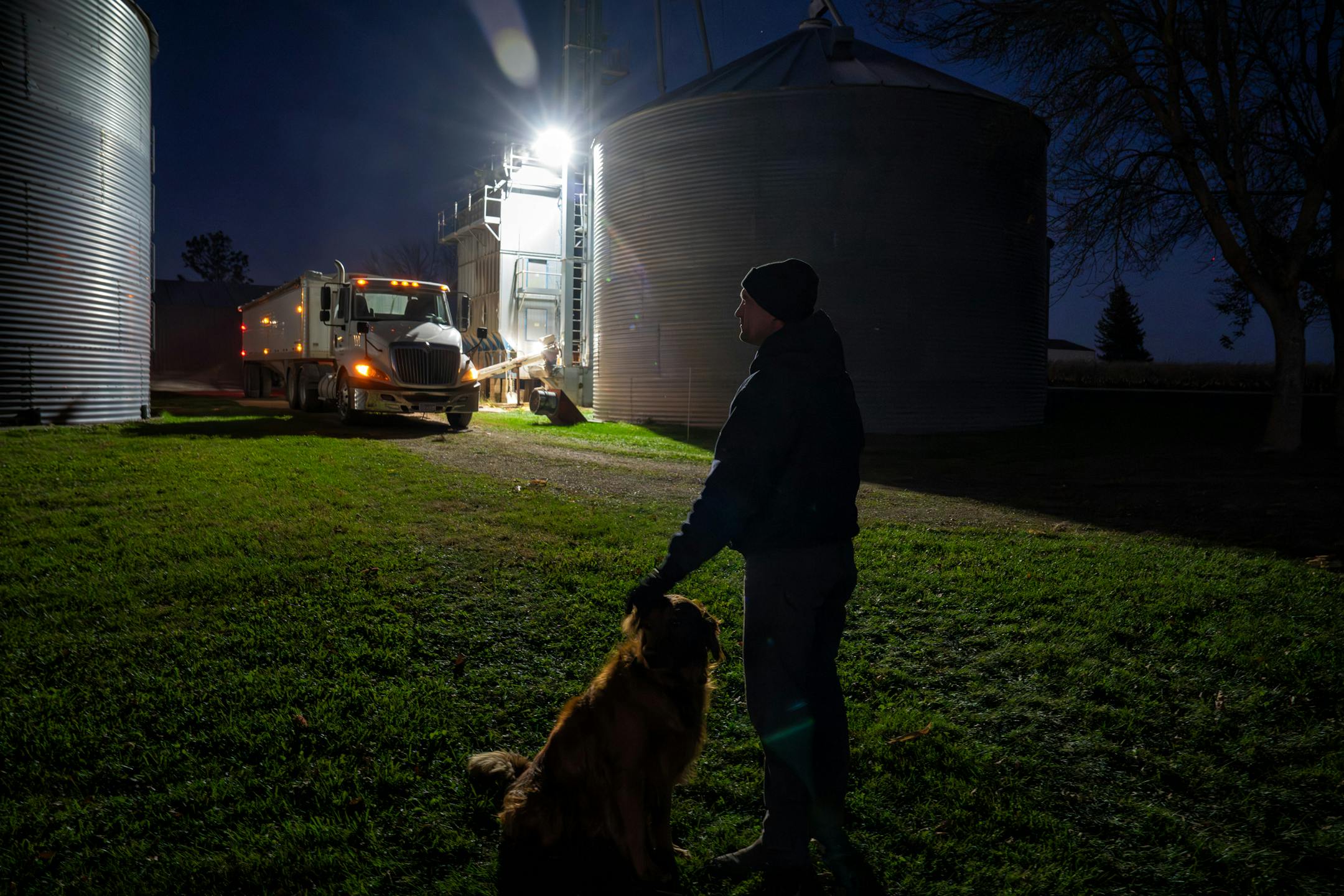
Ben’s father, Steve Johnson, is at the helm of the disabled Case IH 8250 combine. He’d steered it onto a boggy patch while crossing into another field, miring it in mud. Now, everything’s on hold. The tractor pulling the grain cart to collect the crop from the combine is idle. So is the truck ferrying the crop to the farmstead’s towering steel bins or the nearby commercial grain elevator.
Thanks to Ben, it’s a minor ground stop. He calmly drives another tractor out to the 50,000-pound combine, attaches cables and pulls it free. “I always say my job is putting out fires. This is today’s fire,” said Johnson, who serves as the farm’s chief troubleshooter.


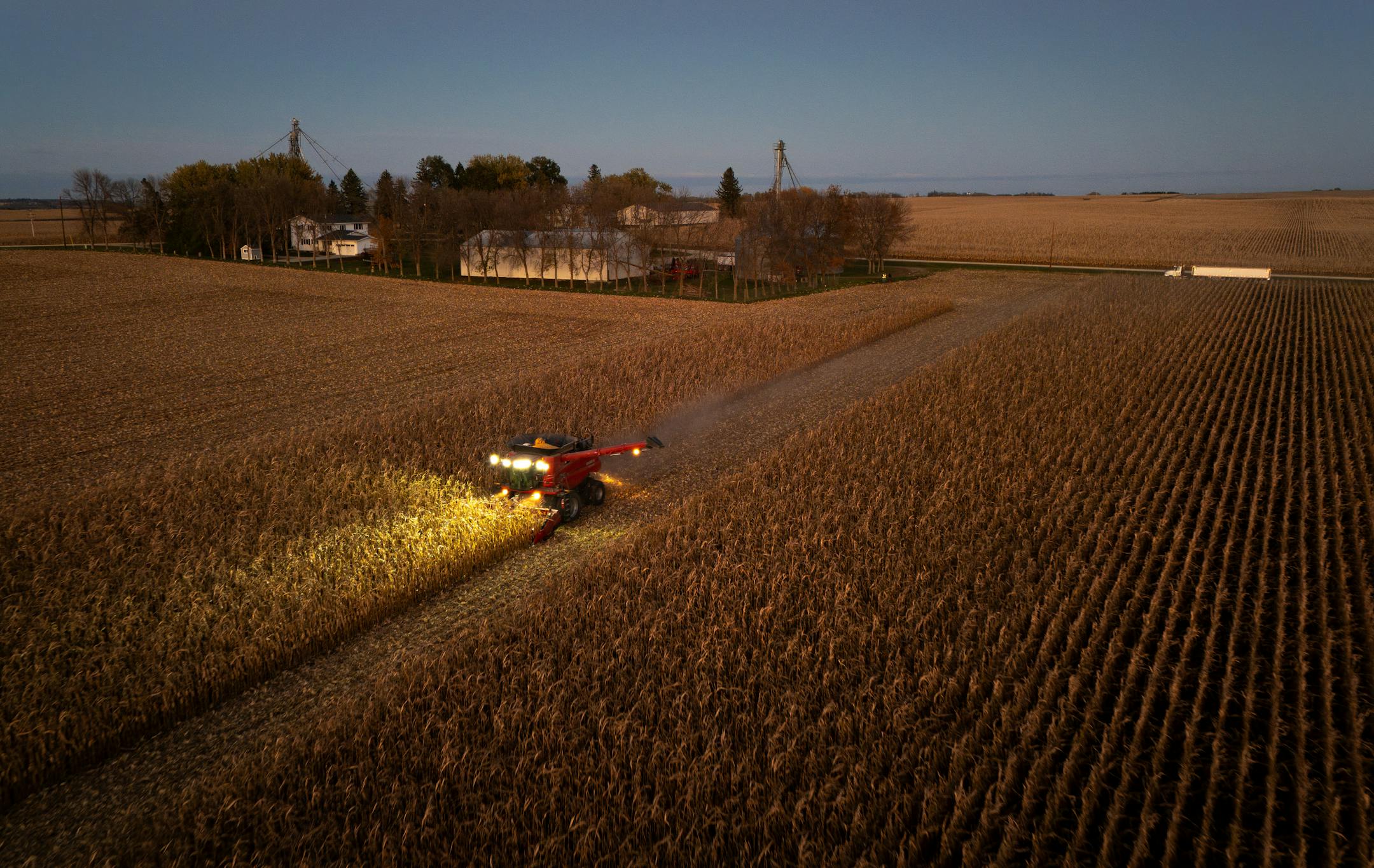
Across Minnesota’s grain belt, crews of family, friends and hired help fight an annual battle against time, rain, machinery malfunctions and fatigue to bring in corn and soybean crops before winter. This year, a successful harvest requires navigating another challenge: the downstream consequences of President Donald Trump’s unprecedented use of tariffs to reshape global trade.
Unfortunately, this isn’t a “fire” that old-fashioned farm know-how can quickly extinguish, as the Johnsons understand all too well. They’ve worried about their livelihood getting entangled in the trade conflicts since I first began talking to them during spring planting. This is the third installment in series of columns following this Minnesota farm family during this season of uncertainty.