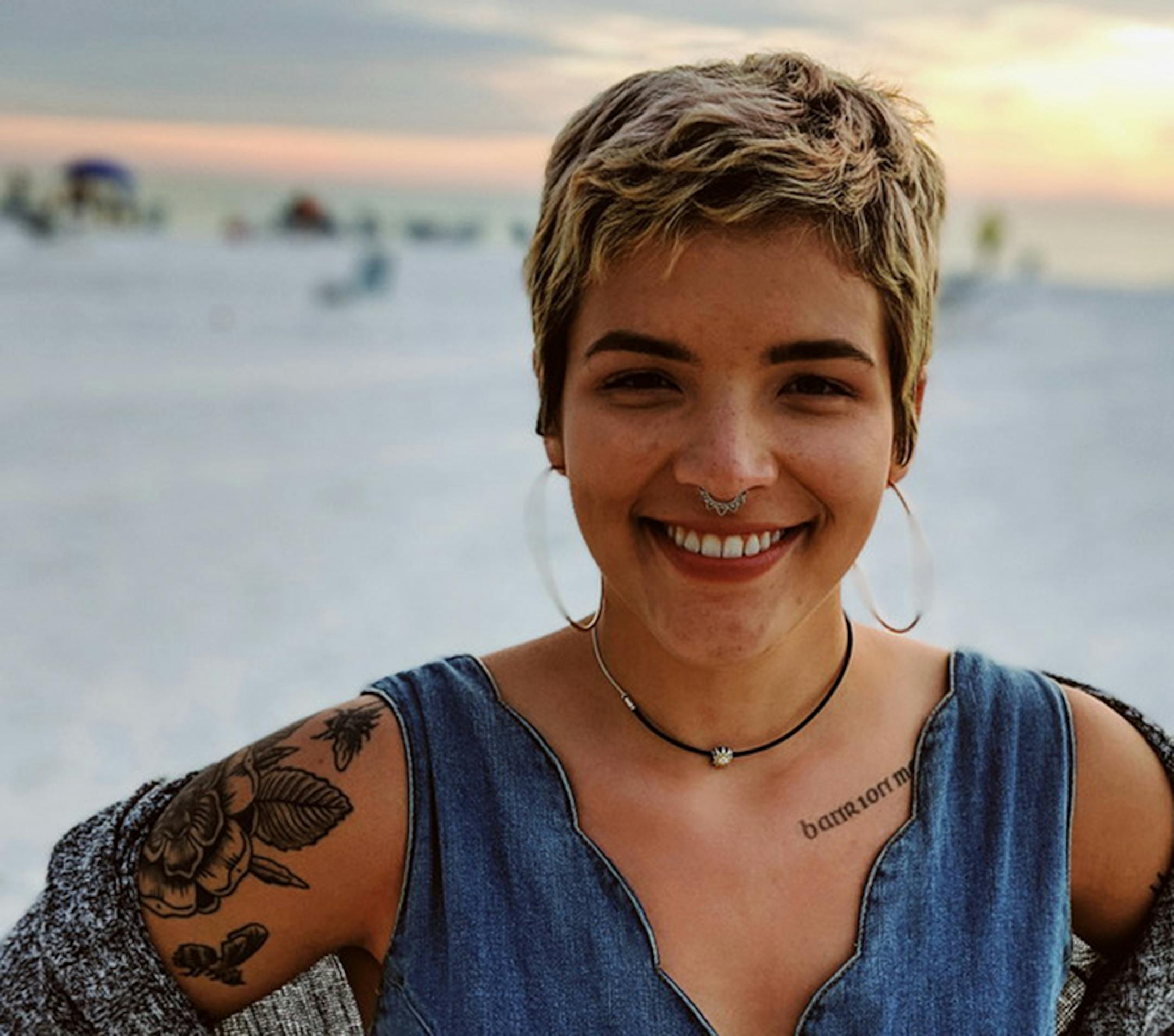
Maeve Sheridan often thinks about how fellow students might have changed the course of the night she was sexually assaulted as a freshman in Chicago.
After an evening of drinking, could a friend have talked her out of going to another student's dorm room? Would she have waited three weeks to report the assault if others hadn't told her she was to blame for it?
"It's never just two people in a room," said Sheridan, now a senior at the University of Minnesota. "There are ways to step in before and after."
Enlisting bystanders to take action is central to President Eric Kaler's initiative to prevent sexual misconduct on campus — a top priority in his final year on the job. The effort, which costs more than $740,000 in its first two years, culminates this academic year with a public awareness campaign and workshops guiding department heads in addressing harassment, featuring actors from Minneapolis-based Illusion Theater. "The bystander intervention training is the most powerful thing we can do," Kaler said. "I think we're really moving the dial."
Hundreds of colleges in Minnesota and around the country are embracing bystander intervention programs as they face mounting pressure to respond more forcefully to sexual misconduct. Some research shows they have promise, but even supporters such as Sheridan caution they also have limitations. Those include the chilling effect that campus power imbalances have on calling out misbehavior — an issue the U confronts amid an outcry over faculty harassment of graduate students.
The U prevention effort ramps up as the campus is trying to put behind it bruising headlines, from rape and harassment allegations in its athletic department to the case of a Chinese billionaire arrested but not charged after a student alleged he raped her. Officials and critics alike agree the initiative's success hinges on how decisively the university responds when sexual misconduct does happen.
Actors and role-playing
The idea of bystander intervention informs every aspect of the U's prevention push. "Sexual assault stops when you step up," posters featuring a diverse cast of students and others declare all over campus as part of a student government-inspired $80,000 public awareness campaign this winter.
An online training course, required for all U employees since last spring, covers simple techniques — from distracting someone who is making aggressive advances by asking for the time, to staring to let offenders know their actions have not escaped notice.