

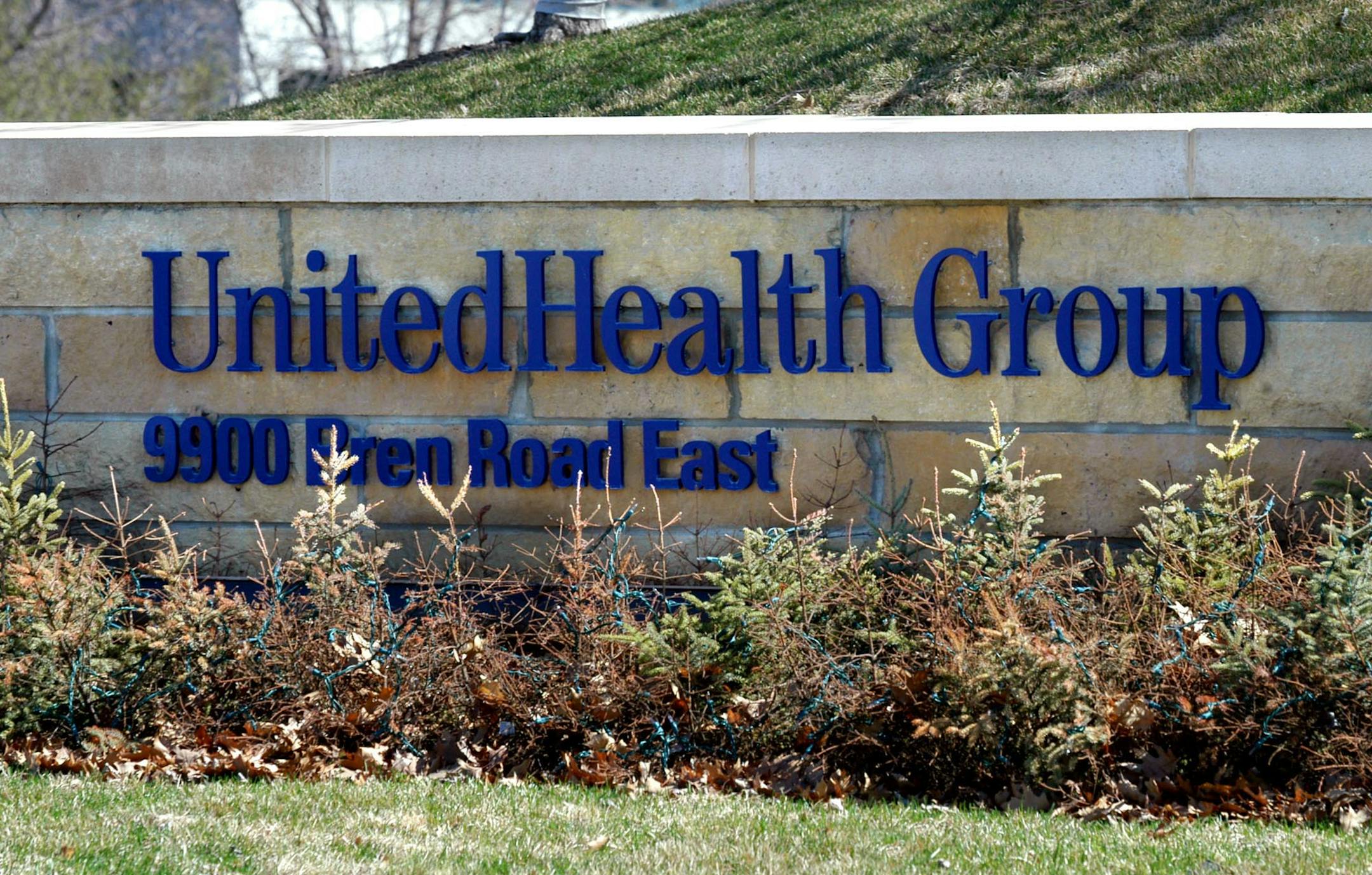
UnitedHealth Group Inc. will double its participation in state-run insurance exchanges over the next year, executives said Thursday, a step by the nation's biggest insurer that signifies the staying power of new marketplaces that arrived under the federal health care law.
The announcement, which came along with quarterly results that surpassed investor expectations and pushed the firm's stock to an intraday record, added new details to UnitedHealth's slow but steady adjustment to the Affordable Care Act.
The exchanges that debuted last fall on the federal level and in several states like Minnesota are "going to be an established sector in the health care benefits marketplace," UnitedHealth Chief Executive Stephen Hemsley said in a conference call with investment analysts.
"We want to make sure we don't go in too late," Hemsley said. "We're thinking this is about the right time."
Health care reform has created both costs and opportunities for the Minnetonka-based company. For instance, in discussing its latest results, UnitedHealth noted that new taxes under the law had reduced its after-tax profit margin by nearly a full percentage point to 4.3 percent.
At the same time, the law's requirement that all Americans be insured has opened up a new customer base for UnitedHealth, notably among individuals buying insurance for themselves. The company said it plans to be operating on two dozen state exchanges next year, up from a dozen now.
Consumer response to the exchanges, which present information and products from multiple insurers, factored into UnitedHealth's plans, Hemsley said.
UnitedHealth approached the exchanges more slowly than some big insurers in part because its existing business with individual customers is considerably smaller than the work it does providing insurance through employers. As well, it wanted to know more about the riskiness of the customers drawn to buy insurance through the government-run marketplaces.



