

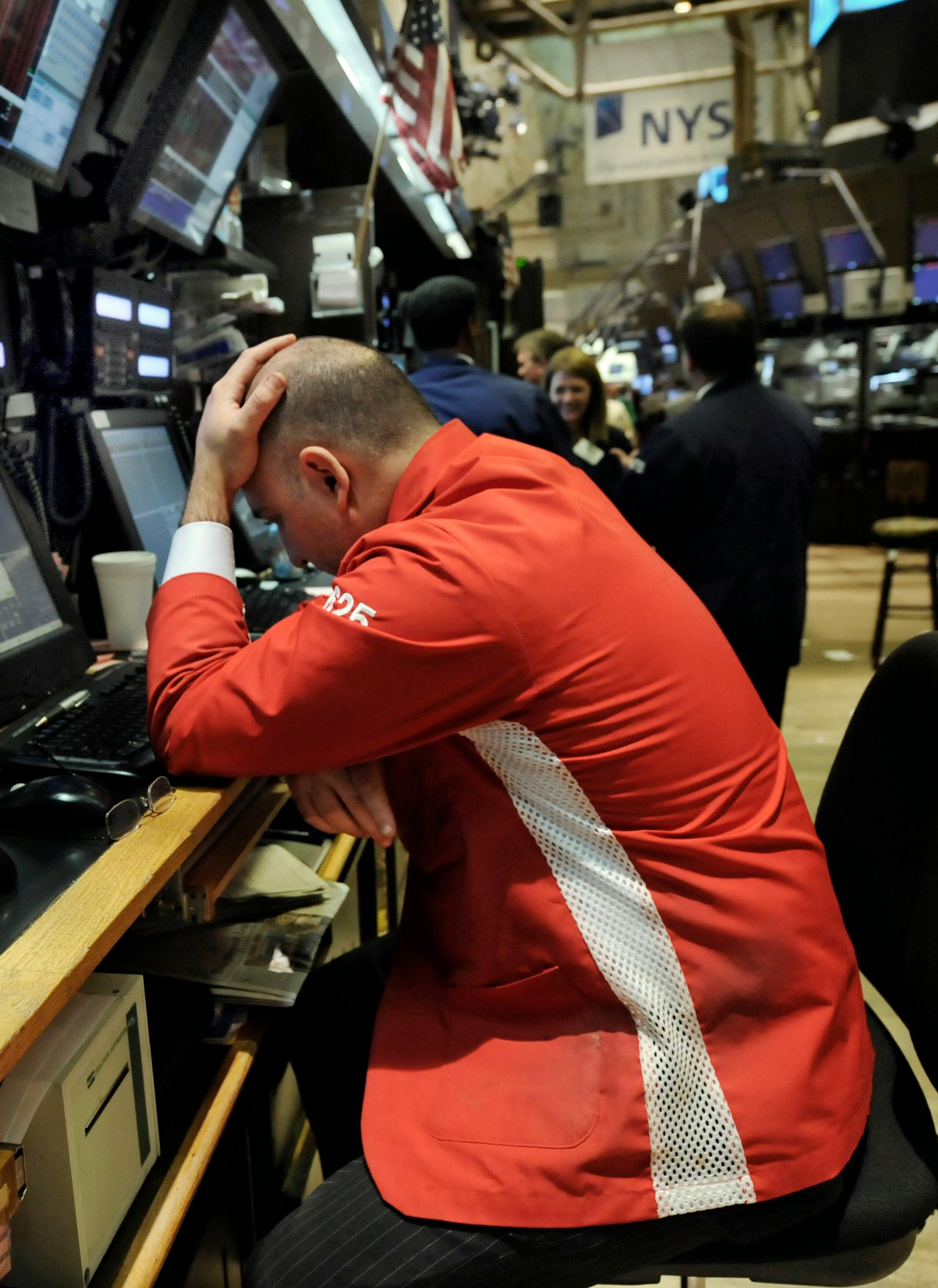
Let's ponder the achievements so far of the government's "Troubled Asset Relief Program."
In little more than three weeks, we are now on Plan II. Treasury Secretary Henry Paulson's $700 billion emergency initiative to thaw frozen credit markets through government purchases of hundreds of billions in illiquid mortgage-backed securities this week morphed instead into direct investments in financial companies.
The U.S. Treasury has spent or pledged about $350 billion that Congress allocated last month to embolden financial institutions to jump-start creditworthy businesses and consumers and, thereby, jump-start the economy.
And the stock and bond markets, which the announcement was intended to calm, are down further.
"Housing prices have to bottom out on their own," said Bert Ely, an accountant and public policy analyst who sniffed out the 1980s savings and loan crisis ahead of the curve a generation ago.
"I'm shaking my head over all the zigzagging and these Bush administration bailouts. The housing bubble has to correct itself. Trying to prop up the market through mortgage modifications will prolong the eventual adjustment."
Ely's point is that home ownership rates got too high. The number of U.S. households owning rather than renting their homes went from 65 percent in 1994 to 69 percent by 2004.
"That's when subprime lending zoomed in. And we've learned that not everybody can afford a house and two SUVs," Ely said.



