

Opinion editor's note: Star Tribune Opinion publishes a mix of national and local commentaries online and in print each day. To contribute, click here.
•••
The slow fade-out of dynastic politics in the U.S. is continuing in 2022. Just in the last few weeks, Nick Begich III was defeated for the Alaska House seat his grandfather once held; his uncle was also a senator from Alaska. And in New York, state Sen. Alessandra Biaggi, whose grandfather served in the U.S. House, failed to win a House seat.
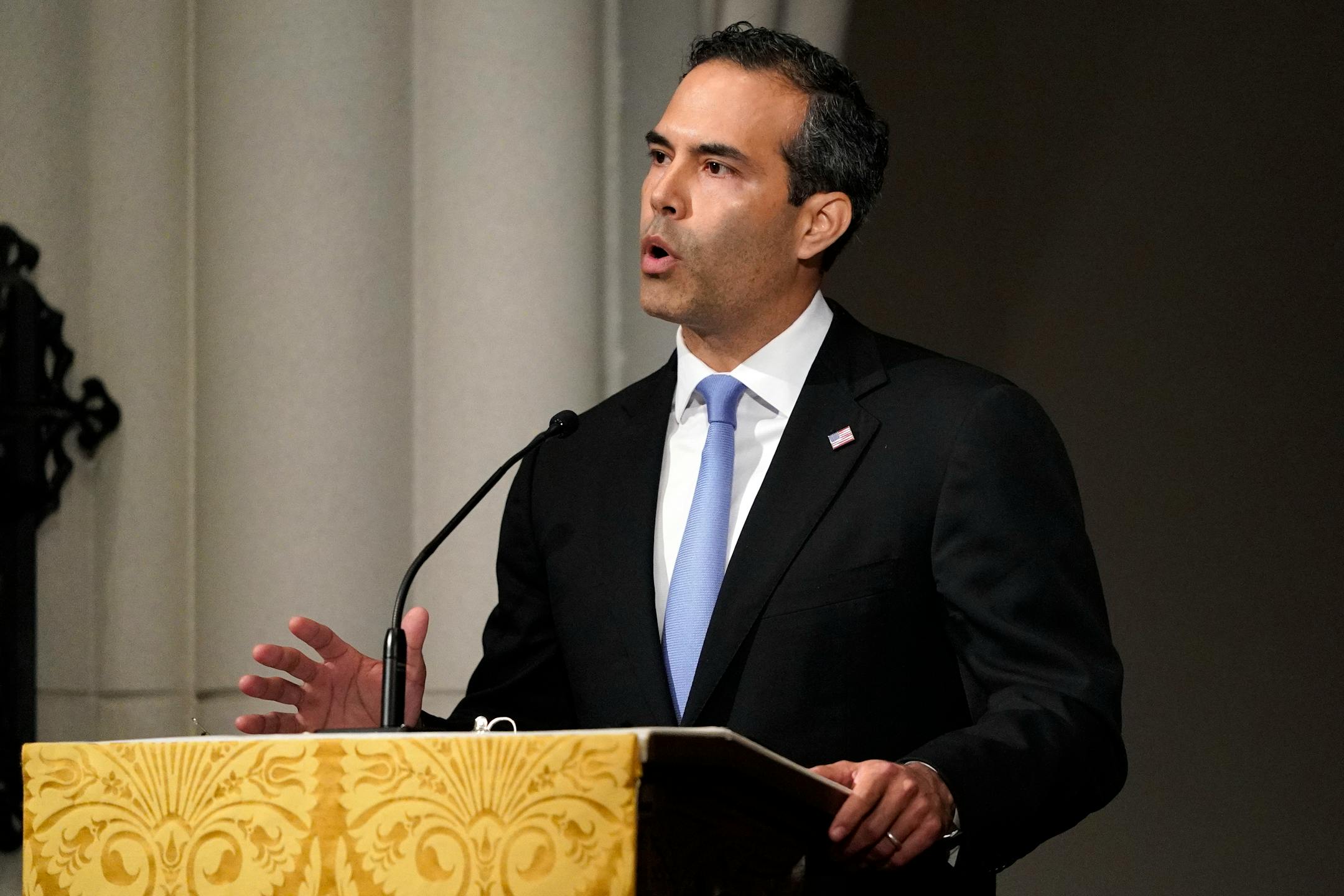
Yet the most high-profile development this year is the apparent political demise of the Bush family, with Texas Land Commissioner George P. attempting to move up to state attorney general and getting squashed by a better than 2-to-1 margin in the Republican primary. It's possible that George P. or another fourth-generation Bush will have a robust political future, but given the family's opposition to former President Donald Trump, that isn't so likely (George P. Bush himself supported Trump and tried to get his endorsement, but few were surprised when that didn't happen.)
This follows the 2020 defeat of Joe Kennedy III, the grandson of former Sen. Robert F. Kennedy, in a Massachusetts Senate primary, potentially ending the storied family's reign in politics. Two years ago, there was a Cuomo as governor of New York and a Cheney in the House leadership. Not anymore. Nancy Pelsoi, whose father was mayor of Baltimore, is still speaker of the House and remains the most prominent legacy politician in the U.S., but she probably won't hold that position for too much longer.
Using a loose definition of dynasty, I counted 14 dynastic politicians in the current Senate — down from 22 a decade ago. The decline is set to continue. Missouri's Roy Blunt, whose father served in the state legislature (and whose son was governor of Missouri) is retiring. Among open-seat Senate candidates and challengers with a realistic chance of winning in November, only one — Nevada's Adam Laxalt — is a legacy politician. And his opponent, incumbent Sen. Catherine Cortez Masto, is herself a legacy politician whose father was a Clark County, Nev., elected official. That means we'll wind up with at most 13 dynastic senators in the next session.
At the presidential level, 2020 was a rare election in which neither major party ticket had a dynastic politician, and the Biden-Harris administration is the third consecutive one without a legacy president or vice president. That hadn't happened for more than a century.
There are still dynastic politicians around. Even new ones: In Arkansas, Sarah Huckabee Sanders is virtually certain to become the governor, a seat her father held. She'll be succeeding Asa Hutchinson, who himself followed his brother into Congress. There's a Sununu who is governor of New Hampshire; members of the Lujan family currently serve as governor and senator from New Mexico. But overall, the number of dynastic elected officials is shrinking.


