
Advertisement

U.S. overpaid corn farmers $3 billion in Trump trade aid, GAO finds

While corn farmers got too much, soybean, sorghum and cotton farmers didn't get enough, the government's internal watchdog said.

Reuters
December 20, 2021 at 9:09PM
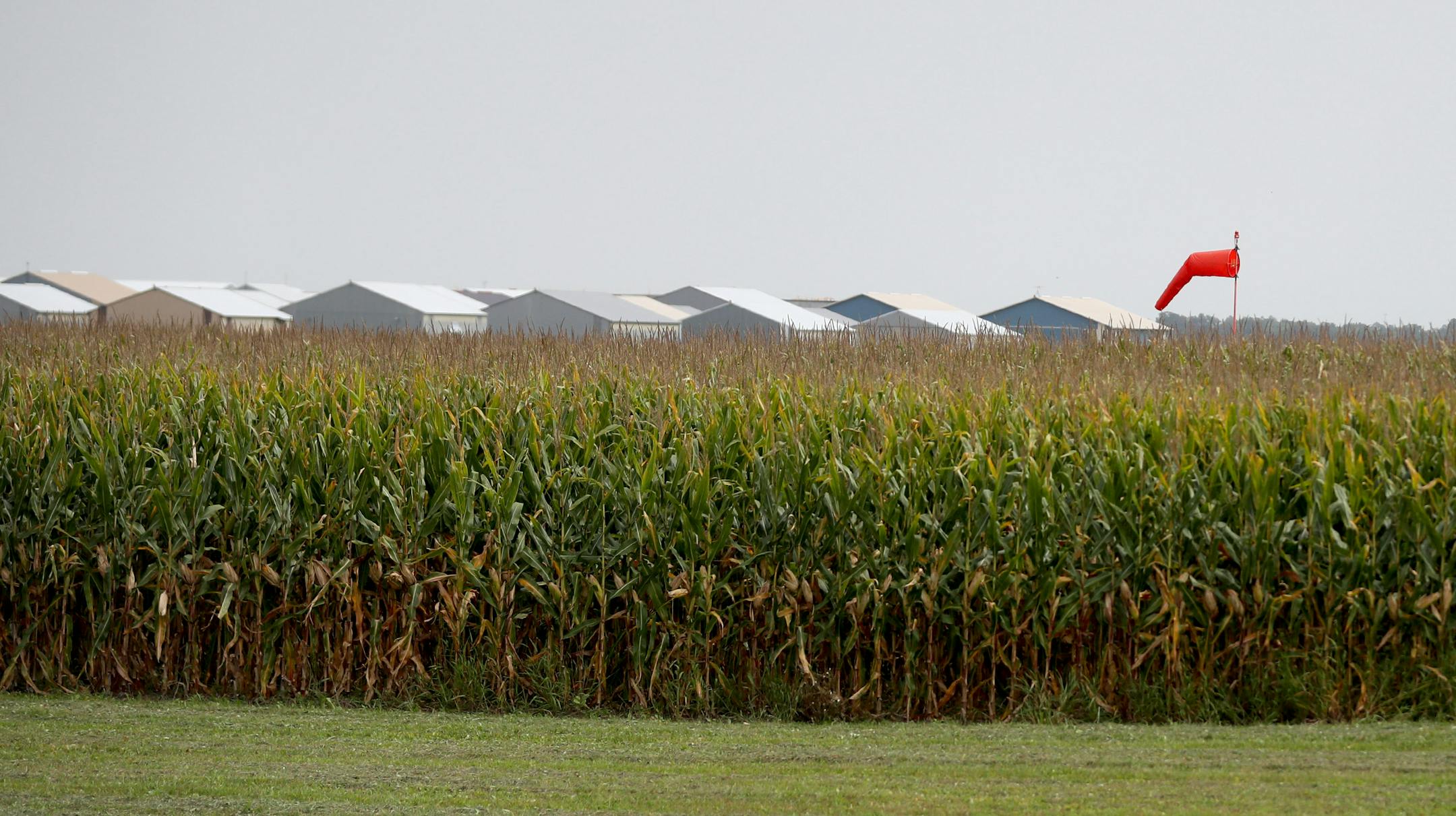
Corn growers got too much government help in 2020 to offset trade-related losses, while soybean, sorghum and cotton farmers didn’t get enough, the GAO says. File photo of a cornfield in Dakota County. (David Joles, Star Tribune/The Minnesota Star Tribune)
Advertisement

The Department of Agriculture overpaid U.S. corn farmers in 2019 by around $3 billion for losses under former President Donald Trump's trade policies, according to a nonpartisan government agency report released Monday.

The USDA overestimated the value of lost exports in many cases, the report from the U.S. Government Accountability Office (GAO) found.

The Market Facilitation Program in 2018 and 2019 distributed $23 billion in payments to farmers under the USDA's Farm Service Agency to help offset losses farmers faced in the wake of Trump's trade war with China and other top export markets.

Payments to corn farmers were approximately $3 billion more than USDA's final estimated damages from the trade war, while soybean, sorghum, and cotton farmers received less than the estimated trade damage, the GAO report said.

The report, requested by the U.S. Senate Agriculture Committee, also found that the way USDA distributed payments led to producers in different regions receiving different payments for the same crop.

Farmers in the South benefited the most, according to the report, while farmers in the Northeast and West received the least amount in payments.

At the time, the widely varying payouts confused and irritated farmers, as well as local USDA employees who received limited training on the program and struggled to process applications and payments.

"We recommended better reviews and greater transparency in USDA analysis" going forward, the GAO said in a statement Monday announcing the report.

Advertisement

The GAO recommended that USDA's Office of the Chief Economist (OCE) be more transparent in its methodology process, as well as revise its processes for assessing the baselines by which farmers are granted aid.

OCE disagreed with the report's findings and said its team members did their job; that GAO's recommendations should not be aimed at OCE; and that the problem was with policy decisions in which it was not involved, according to an Oct. 21 letter it sent to the GAO.

"The role of USDA's Office of the Chief Economist is to provide data-driven analysis. They did that," a USDA spokesperson said in a statement to Reuters. "What happened from that point on was in the hands of President Trump's political appointees."

about the writers

about the writers

P.J. Huffstutter

Leah Douglas

More from Business

See More
Todd Geselius, vice president of agriculture at the Southern Minnesota Beet Sugar Co-op, shows what a sugar beet looks like when it is harvested in the field on Sept. 9, 2015 in Renville, Minn. (Jim Gehrz/Minneapolis Star Tribune/TNS) ORG XMIT: 1175088 ORG XMIT: MIN1510142301350530
The Minnesota Star Tribune

Some say the MAHA movement and GLP-1 drugs hurt sugar beet farmers. The White House is blaming former President Joe Biden.

card image
card image
Advertisement