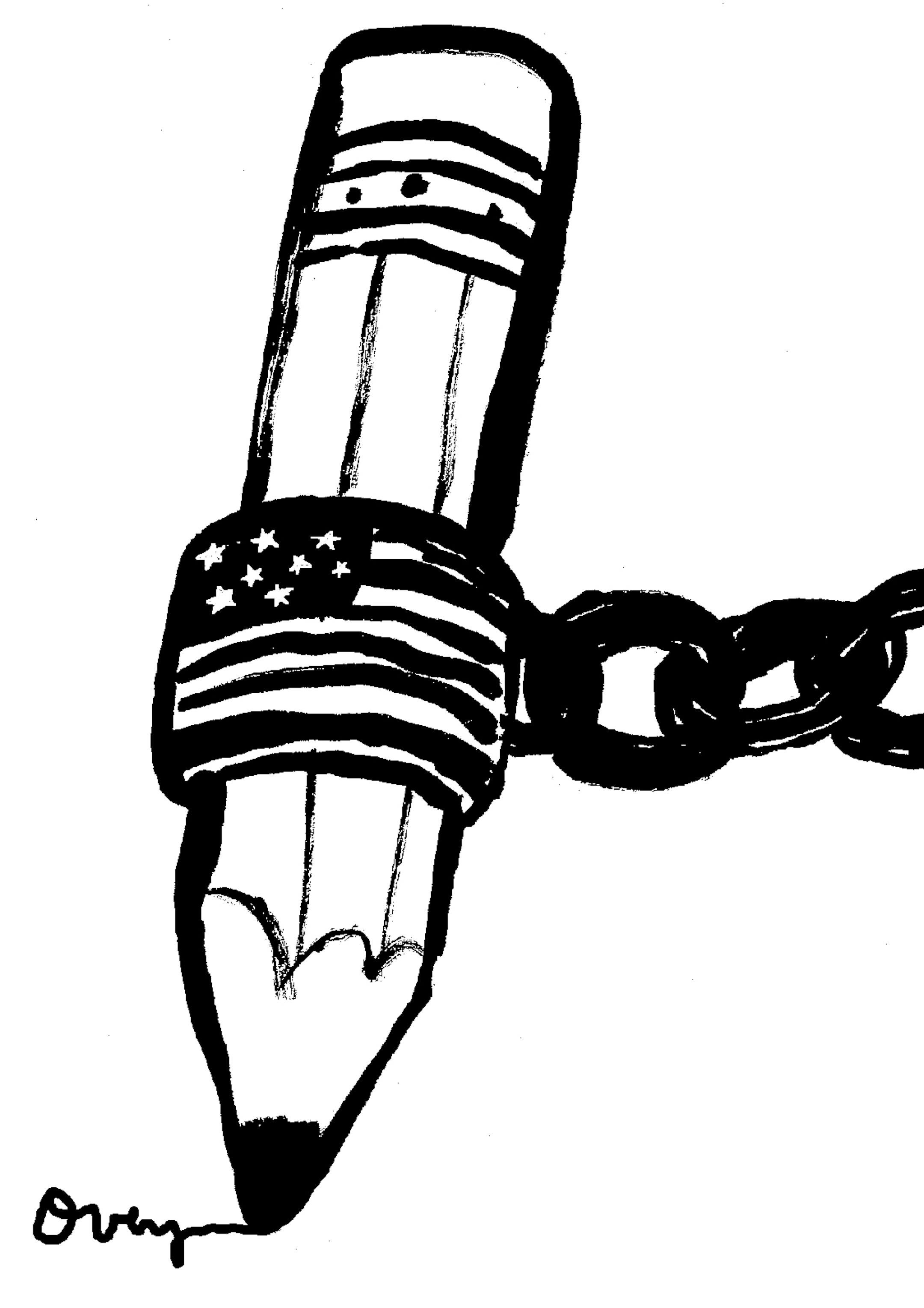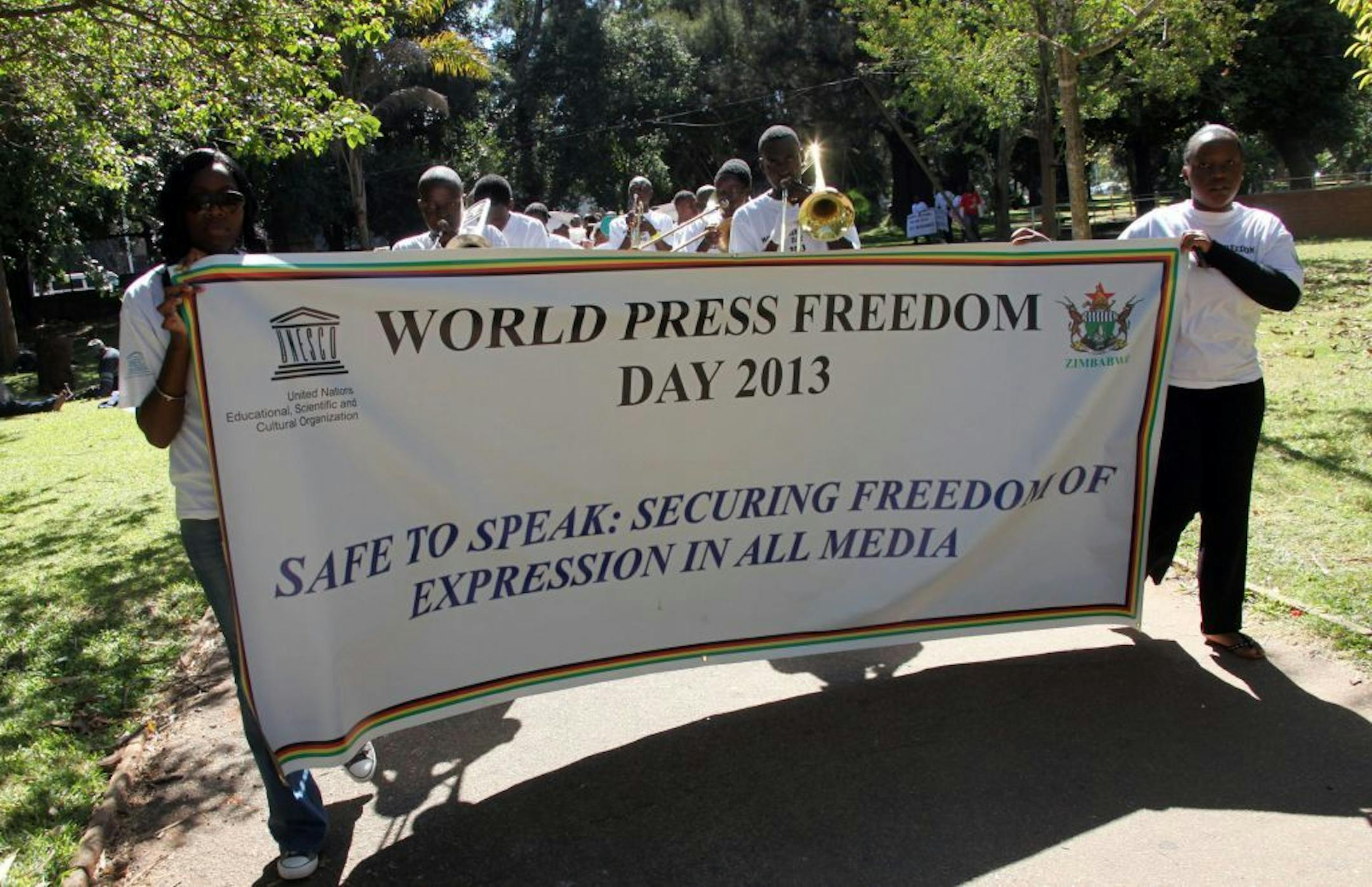
Reporters Without Borders, which advocates for global press freedom, routinely routes e-mail alerts about journalists jeopardized by repressive regimes or other nonstate actors. Just this week it sent descriptions about abuses in Ukraine, Uganda, Turkmenistan, Turkey, India and Syria, as well as other countries.
Like the United States.
On Wednesday, the organization said it was "alarmed by the frequency with which the Obama administration has reacted to leaks by bringing prosecutions under the 1917 Espionage Act." The e-mail also covered the covert seizure by the Justice Department of two months of Associated Press phone records, as well as labeling James Rosen, a Fox News reporter, "at the very least, either as an aider, abettor and/or co-conspirator" for his role in reporting a 2009 national-security story.
On Thursday, it was revealed that Attorney General Eric Holder personally signed off on the Rosen warrant, reflecting the Justice Department's concern over leaks. But based on the backlash, it's the administration that's taking on water. Liberal and conservative commentators alike have excoriated President Obama, with some comparing him to Richard Nixon.
Pressed, the president ordered a review of procedures regarding DOJ investigations of reporters. And last week Obama called for a reintroduction of the 2009 Free Flow of Information Act, which would create a federal media shield law. The previous version was similar to state-level laws. According to an analysis by the Newspaper Association of America, "The bill establishes a privilege that would be qualified, not absolute. The legislation sets forth reasonable and well-balanced ground rules for when a journalist can be compelled to testify about confidential sources, including where information is needed to prevent an act of terrorism or other significant harm to national security. Federal standards are desperately needed to provide uniformity in light of conflicting opinions."
The 2009 act "does not give a free pass to the press or their sources," Caroline H. Little, president and CEO of the NAA said in an interview. "It's just a privilege that would be qualified. So it's basically taking the enforcement out of the Justice Department and having a judge oversee it." Currently, "when the Justice Department is seeking this information and, by virtue of the rules, is the actual enforcer of these rules, it's a little like the fox guarding the henhouse."
It's not just journalists who need a shield. Ultimately, the public gets protection from government secrecy and overreach.
"What this is really about is ensuring the public's right to know, not a special carve-out for the press," said Jane Kirtley, director of the Silha Center for the Study of Media Ethics and Law at the University of Minnesota. "It's being done to ensure that journalists are able to do their jobs without fear of harassment or being forced to compromise promises made to their sources."