

Opinion editor's note: Star Tribune Opinion publishes a mix of national and local commentaries online and in print each day. To contribute, click here.
•••
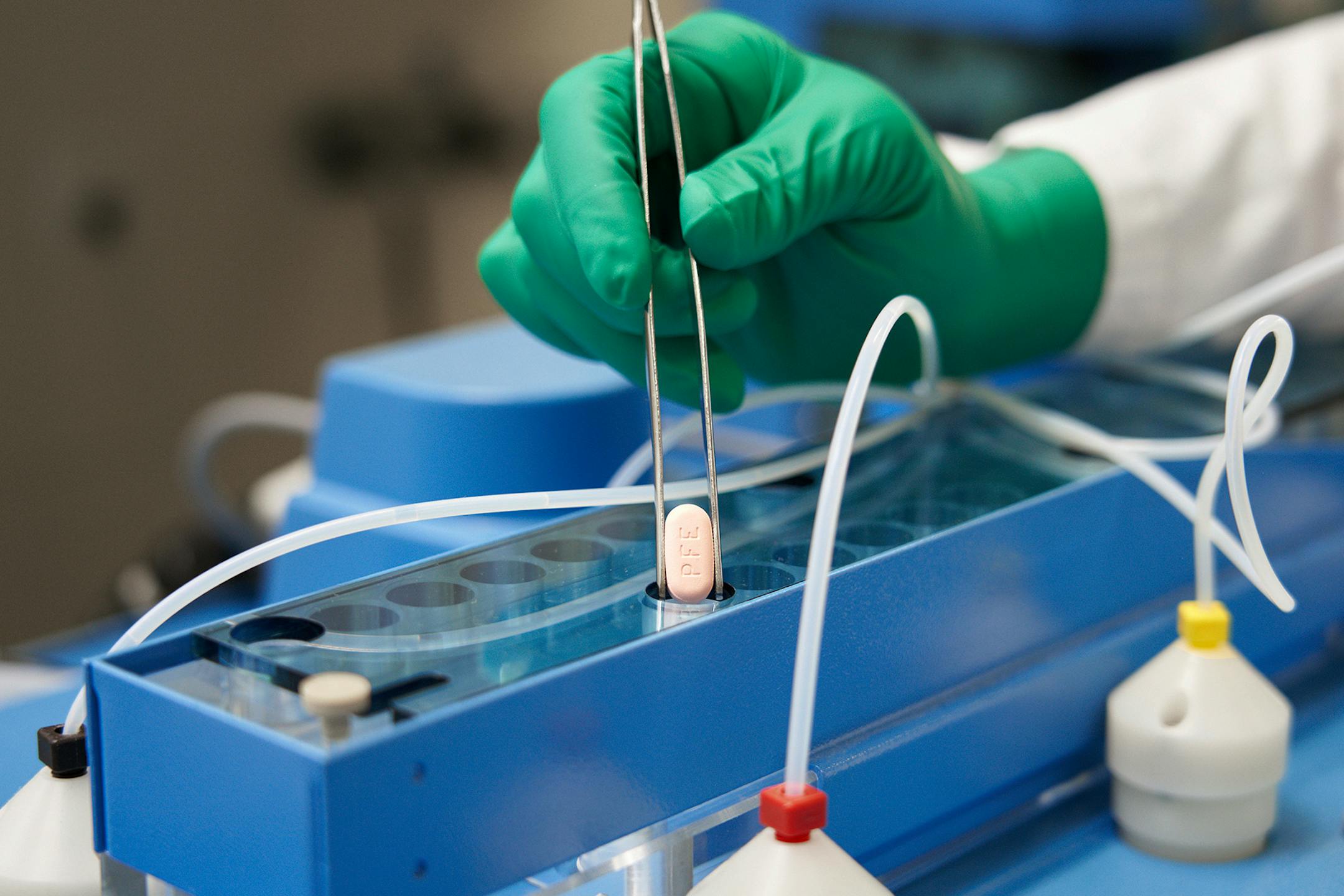
Paxlovid, Pfizer's antiviral treatment for COVID-19, is turning out to be one of the most successful new drugs in pharma history. Prescriptions have increased tenfold since February, and the five-day pill pack accounts for nearly 90% of the COVID-19 oral-antiviral market.
Based on committed contracts from governments around the world, sales of the drug will reach $22 billion this year, Pfizer affirmed May 3.
Joe Biden's administration has made Paxlovid a pillar in its plan to return the U.S. to normal life. The government's test-to-treat program is intended to put the pills into the hands of every American who tests positive for COVID-19.
Yet somehow, there seems to be no unified plan for carefully tracking who exactly benefits from the drug and who doesn't. Such monitoring is urgently needed.
Paxlovid is extraordinarily effective, and was discovered, developed and launched in time to make a difference in this pandemic. The Food and Drug Administration authorized the regimen for emergency use based on a large clinical study that clearly showed it helped keep high-risk, unvaccinated people alive and out of the hospital.
But the operative word here is "unvaccinated." In practice today, Paxlovid is probably being taken more often by the many vaccinated people who are contracting COVID-19, as omicron and its even more infectious siblings circulate. Among the many still-unanswered questions about Paxlovid is whether vaccinated people — and especially those who have no other health risk factors — benefit from the drug.


