

Piece by piece, evidence has begun to accumulate that after four years of lackluster performance, the U.S. economy is on track for stronger growth than many people had expected.
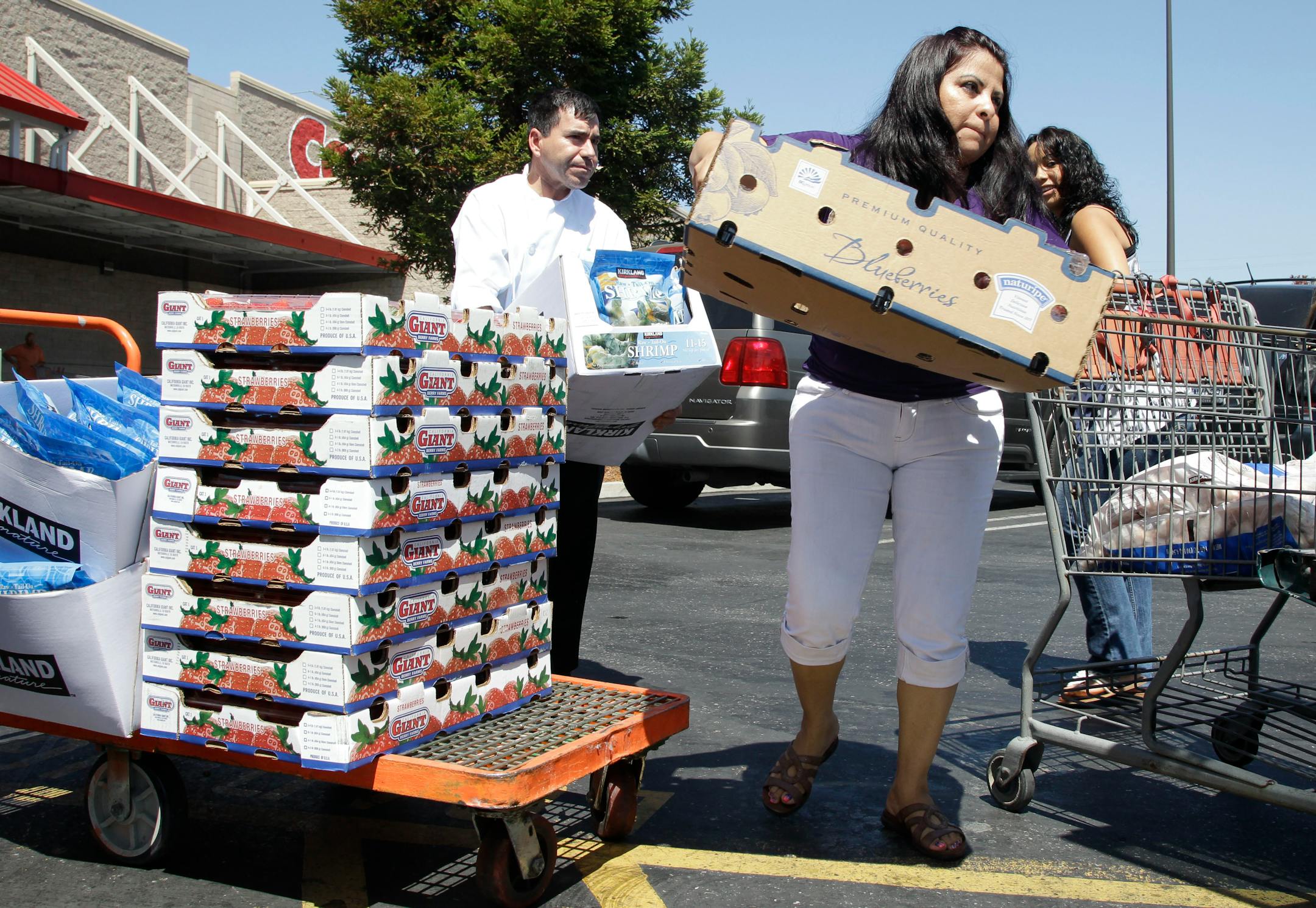
The latest support for that view comes from data on consumer spending, which grew at a surprisingly quick pace in February, pushed up by robust demand for cars and building materials.
The report this week from the Commerce Department came just a few days after employment figures showed faster improvement than most economists had projected, in large part because of the strong rebound of the market for housing. A measure of first-time unemployment claims fell to a five-year low last week.
The Great Recession of 2007-09, the steepest downturn since the 1930s, has been followed by a slow and bumpy recovery. Economists have been divided on whether growth eventually would accelerate.
The more optimistic among them have forecast that the economy would begin to accelerate once consumers and companies worked through the damage left behind by the housing bubble and debt crisis that triggered the recession. That process of "deleveraging" has largely run its course, and the new evidence may suggest faster growth in the coming months. "What's changed in the economy is that the key cyclical drivers of economic growth are kicking in," said Wells Fargo Securities economist Mark Vitner, noting the gains in the automobile and housing markets. "We are further along the recovery process than many people realize."
Other economists remained cautious, fearing that reductions in spending by the federal government, which began to take effect this month, will slow the economy and job growth in the spring and summer.
The key question, said Kathy Bostjancic, an economist at the Conference Board, "is whether the momentum from the housing market" can "offset the negative drag from budget cuts."
But so far, consumer spending, which accounts for about 70 percent of U.S. economic activity, has proved very resilient.



