WASHINGTON – The 34 largest U.S. banks have all cleared the first stage of an annual stress test, showing they would be able to maintain enough capital in an extreme recession to meet regulatory requirements, the Federal Reserve said Thursday.
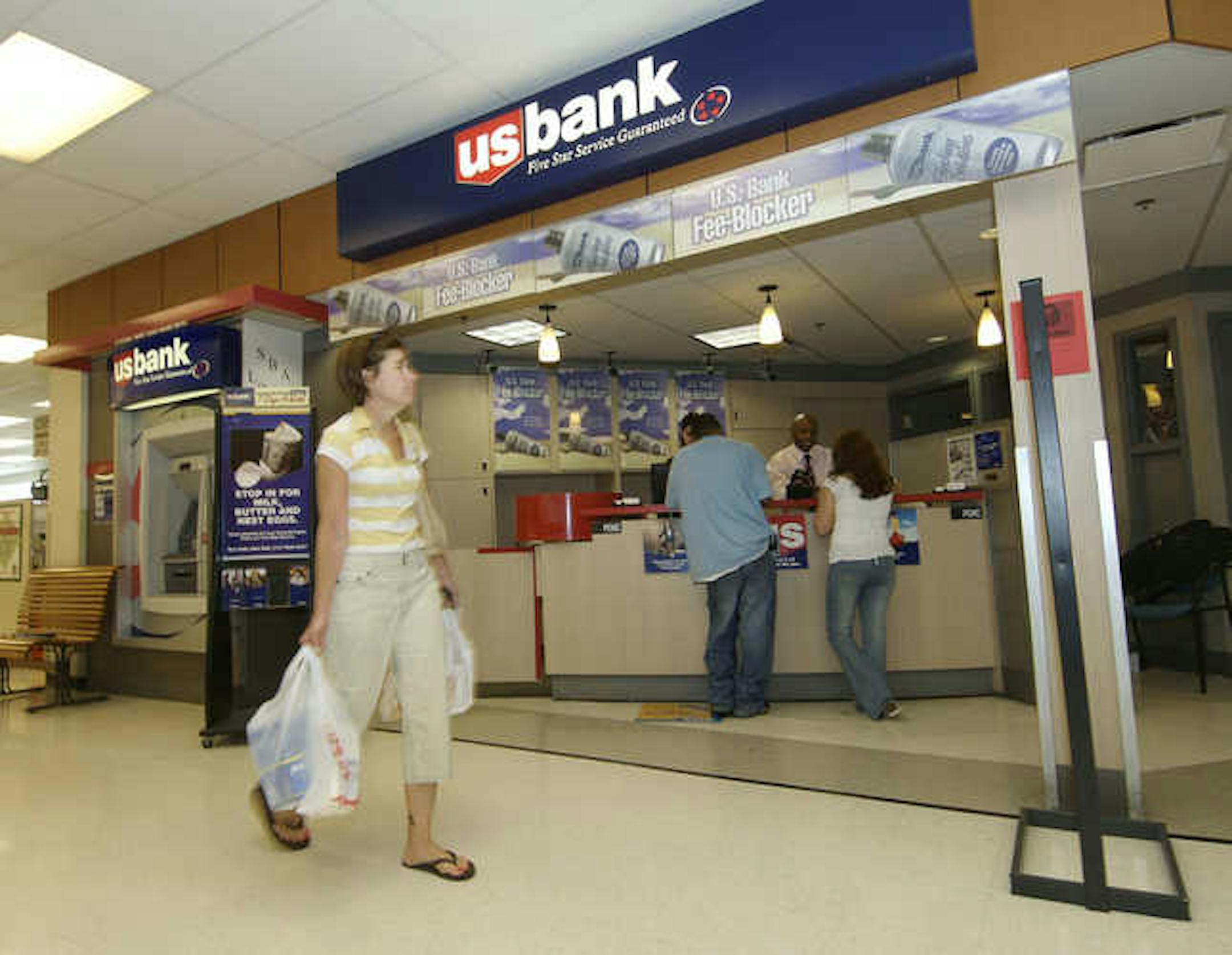
Although the banks, including Minnesota leaders U.S. Bancorp and Wells Fargo & Co., would suffer $383 billion in loan losses in the Fed's most severe scenario, their level of high-quality capital would be substantially higher than the threshold that regulators demand, and an improvement over last year's level.
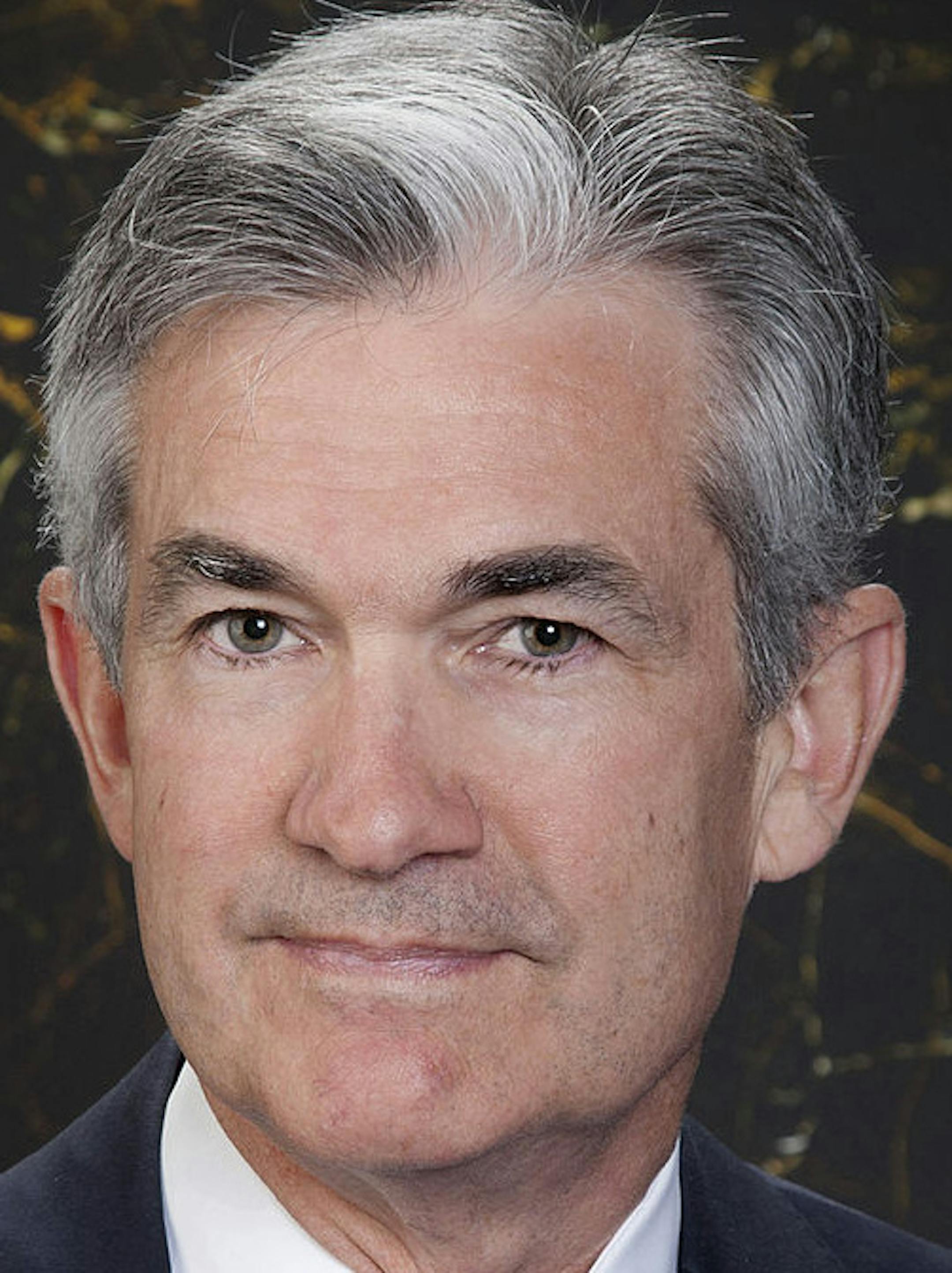
"This year's results show that, even during a severe recession, our large banks would remain well capitalized," said Fed Governor Jerome Powell, who leads banking regulation for the central bank. "This would allow them to lend throughout the economic cycle and support households and businesses when times are tough."
The Fed introduced the stress tests in the wake of the financial crisis to ensure the health of the banking industry, whose ability to lend is considered crucial to the health of the economy.
Under the Fed's worst-case stress test scenario, the U.S. unemployment rate more than doubles to 10 percent.
However, even with the losses in that scenario, the banks' aggregate level of high-quality capital would still cover 9.2 percent of their risk-weighted assets, according to the Fed. That is much better than the 4.5 percent threshold that regulators demand and an improvement on the 8.4 percent common equity tier 1 capital ratio assessed last year.
The results released Thursday are the first of a two-part exam. This part determines whether the banks would meet minimum requirements under the Fed's methodology, using materials they submitted.
Banks are still subject to a second portion of the test in which the Fed approves or denies their capital plans. The Fed is expected to release its take on that component next week.