

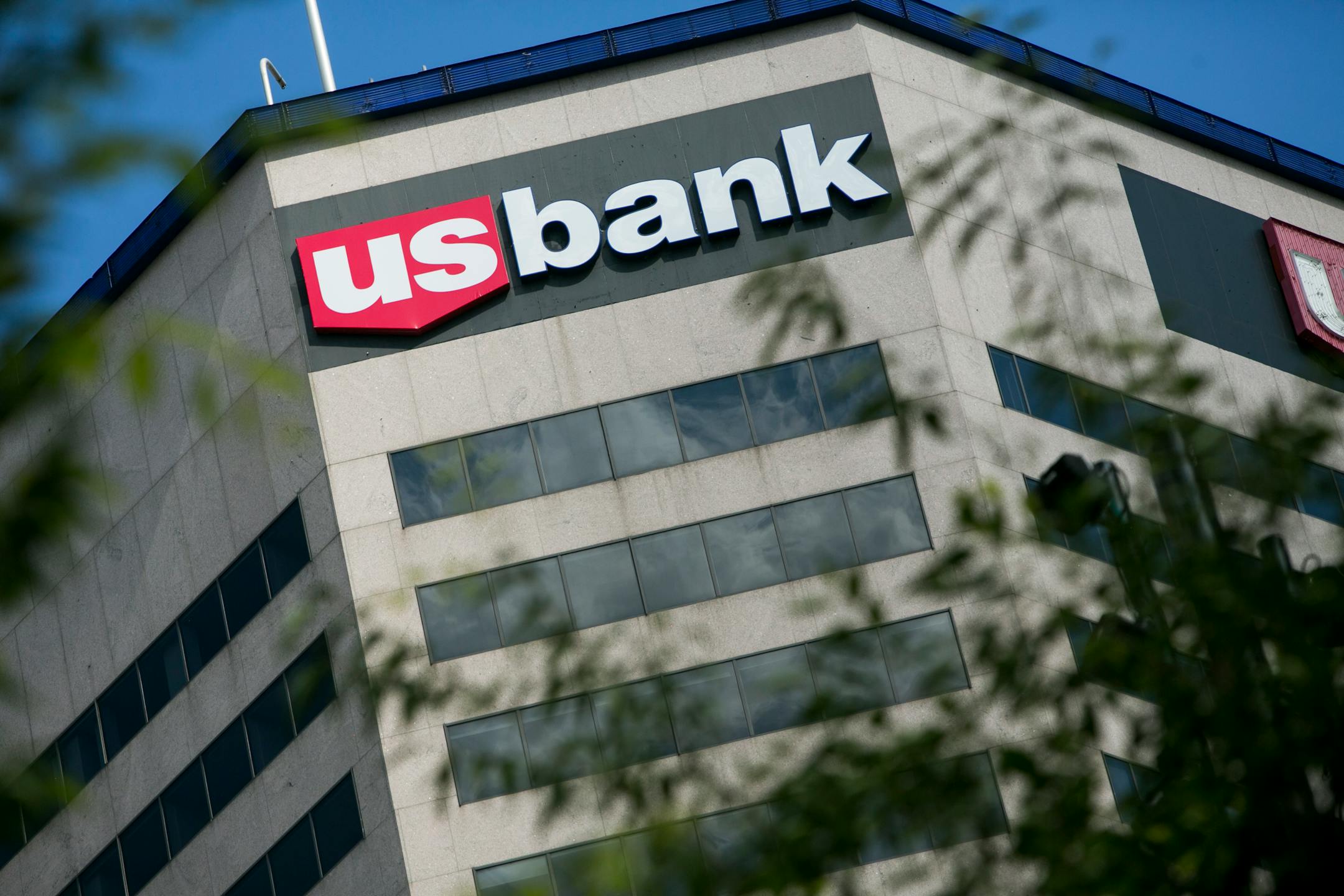
U.S. Bancorp's profits swung lower at the end of 2019 as the effects of interest-rate cuts took a toll.
Executives said Wednesday that they expect pressure to continue on the company's interest income, which is just over half of overall revenue and a key influence on profitability. But they were upbeat about most lines of business and the health of the broader economy.
"We view the interest-rate environment as a manageable headwind," Andy Cecere, chief executive of the Minneapolis-based company, told investors and analysts in a conference call. Even so, the company's shares fell 2.9%.
The performance of the nation's banks has been shaped by three cuts in interest rates by the Federal Reserve during 2019. U.S. Bank executives said they expect one cut this year. Lower interest rates tend to erode profit margins at banks, though they can also increase demand for loans.
However, U.S. Bank, the nation's fifth-largest, saw a slight softening in loan growth at the end of the year.
Total loans grew 0.8% from the third quarter, the slowest such rate of the year. The company saw 1.1% gains to loans in both the second and third quarters and a 0.9% gain in the first.
Its net interest margin, the difference between what it earns from loans and the interest it pays to depositors, shrank to 2.92% from 3.15% in the same period a year earlier.
While lower interest rates eroded revenue, they sparked a resurgence in the mortgage business among both commercial and individual customers. Mortgage banking revenue rose about 40% from last year's level. The company continued to attract deposits at a solid rate and credit quality remained stable.


