

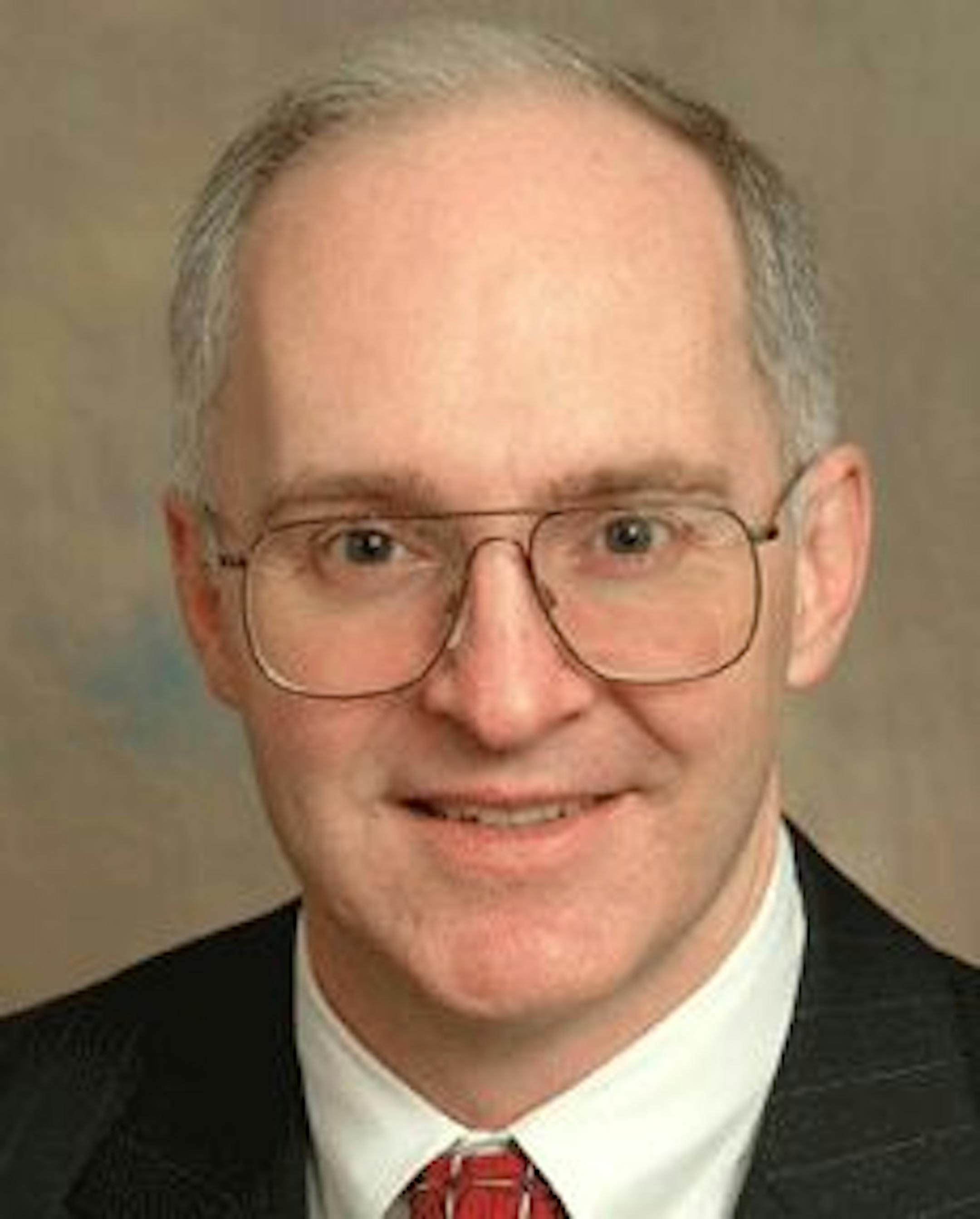
Dr. David Polly, a nationally known spine surgeon at the University of Minnesota who has come under fire for his consulting relationship with medical device maker Medtronic Inc., serves on a university committee that reviews and monitors conflicts of interest among doctors and faculty at the U's Academic Health Center.
Polly isn't the only member of the U's Conflict Review Committee with industry ties: Dr. Scott Crow, a professor in the medical school's psychiatry department, received about $273,000 from various drug companies between 2002 and 2008, according to Minnesota Board of Pharmacy records.
The news comes as the university mulls a new conflict-of-interest policy that attempts to balance its relationships with business. A draft of the proposed policy, which bans corporate gifts and product endorsements by U faculty and staff, was released last month.
Having members of a committee with industry ties is "essential," said university spokesman Daniel Wolter. "They bring expertise and a keen understanding of the nature of those relationships and steps that can be taken to manage potential conflicts."
The Academic Health Center encompasses six schools and colleges, including the medical school, which has been at the center of a controversy for more than a year over its ties to drug and medical device companies. A high-profile specialist who heads the medical school's spine unit, Polly was paid about $1.2 million between 2003 and 2007 in consulting fees by the Fridley-based medical device giant -- earnings that have prompted reviews by Congress, the U and Medtronic.
Reached late Friday, Polly said he was asked to join the Conflict Review Committee in 2004, and has only attended two meetings since then because of his busy surgical schedule. The committee reviews potential conflicts of interest among faculty and staff, and then devises a plan to manage the conflict if one exists.
"They were looking for people who had experience with trying to deal with conflicts and trying to work through them in a university setting," Polly said.
In 2006, it was Polly's own consulting ties with Medtronic that came before the committee. The committee subsequently determined that a conflict existed because Polly had led a government-sponsored animal study using a Medtronic product -- while he was a paid company consultant. Members agreed the conflict was "manageable," but stipulated that Polly could not inform Medtronic of any findings from the study until they were made public. Polly, who recused himself from the review of his case, agreed to follow the committee's recommendation.



