Britain's sense of purpose in the world is trending downward. Indisputably, Thursday's election marks a new low in national ambition, and it's likely to be followed by a further, perhaps accelerating, decline. British voters seem to think the country's global standing no longer matters. The truth is, they're right.
The realization has been a long time coming. It's 60 years since the Suez crisis showed Britain how little of its hard power was intact after the catastrophe of the Second World War. Yet the country gradually developed two ideas about how to remain unduly influential nonetheless. The first was its supposed "special relationship" with the U.S.; the other was its role as a leader in Europe.
The two goals seemed to fit. Britain would be most valuable as a U.S. ally by being America's friend inside the European Union — guiding Europe away from wishing to question or challenge U.S. leadership. But the combination never gelled.
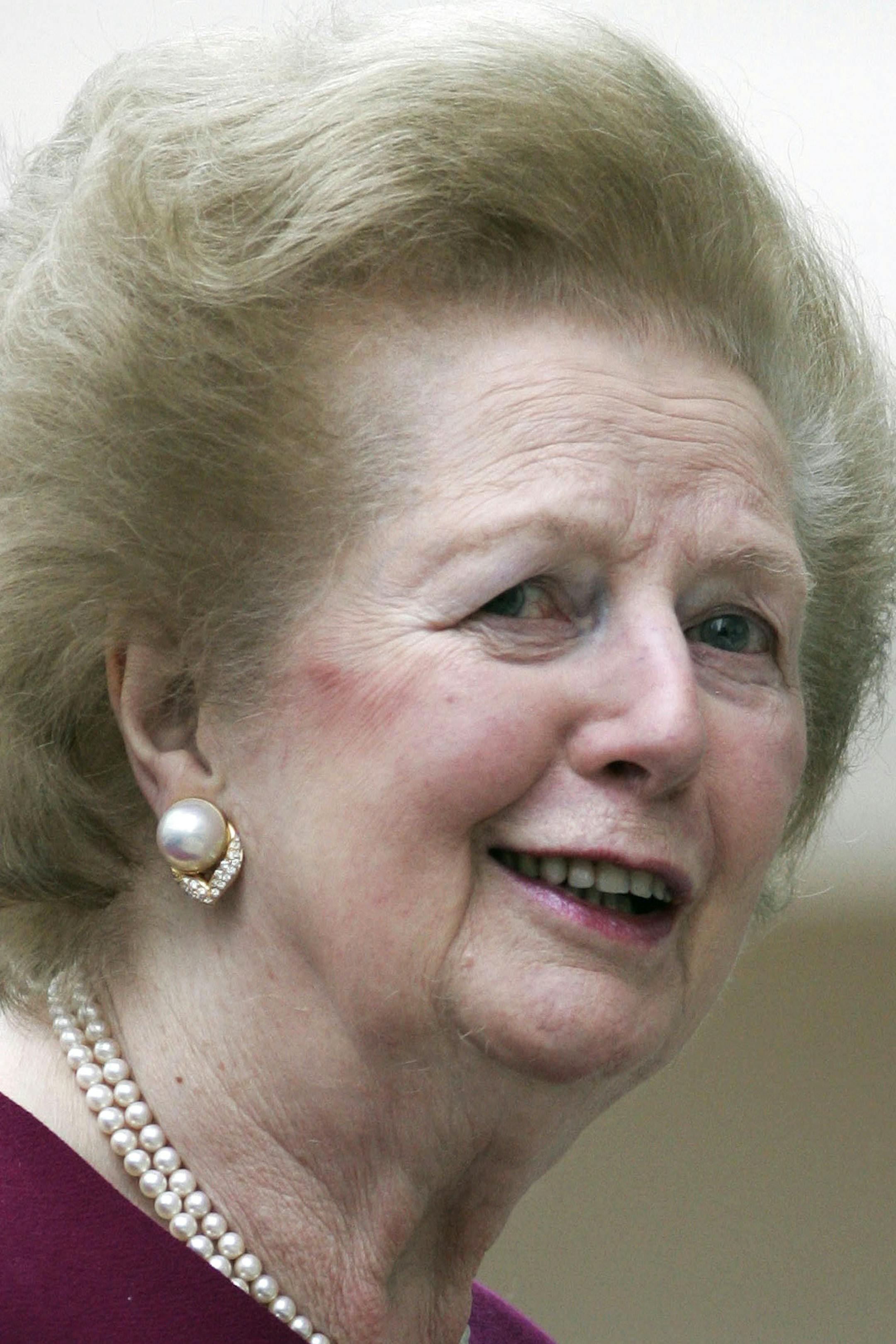
Margaret Thatcher, ardent admirer of the U.S., prized the special relationship but couldn't look at Europe without shuddering. Her loathing of the European project ended her political career. Tony Blair didn't make that mistake: He was all for Europe, but his misadventure in Iraq inflicted fatal damage on his own mid-Atlantic conception of Britain's place. Following America's lead, he took the country into a war his country remembers as disastrous and unnecessary. For this, he remains unforgiven — and when Ed Miliband, Labor's current leader, recently said that his government would work "with our allies, never for them," he was talking about Blair.
Today's Tories, for their part, don't disagree. Look at the government's decision, over strenuous U.S. objections, to make Britain a founding member of China's new infrastructure bank. Or consider its cuts to defense spending, which have aroused questions in Washington about Britain's capacity to be an effective military partner. The issue hardly figured in the election debates. No more special relationship? That's fine, think most Brits. What did the special relationship ever do for us?
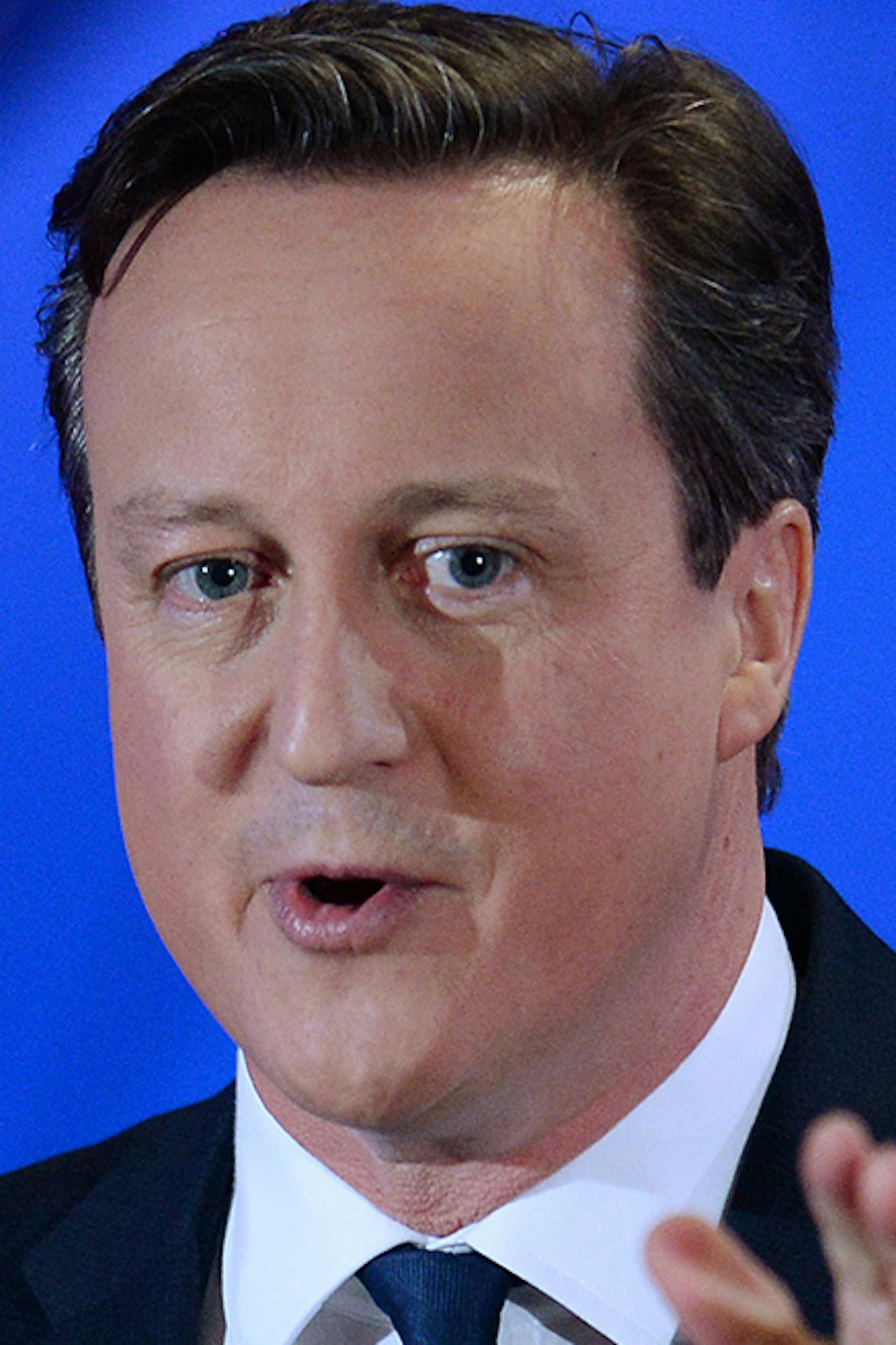
Ditto Europe. Britain is uncomfortable, and probably always will be, in its European home. It won't ever quite belong. The U.K. Independence Party (UKIP) is channeling that frustration. UKIP will win hardly any seats in this election — but the support it's drawn from the Tories will most likely deny Prime Minister David Cameron a parliamentary majority, and it has forced him to pander to anti-E.U. sentiment and promise a referendum on Britain's E.U. membership.
Labor has rightly criticized Cameron's pledge of "an in/out referendum on an arbitrary timetable." Yet it has promised an in/out referendum of its own "in the unlikely event of a transfer of powers from Britain to the E.U." Such a transfer, in due course, is far from "unlikely"; transferring power to the E.U. is ultimately what the E.U. is for. It's what "ever closer union" — its founding principle — means.
For the time being, anyway, Britain will have more pressing questions to address. The issue of Scottish independence, far from being settled by last year's referendum, will return with a vengeance when the Scots send a big delegation of anti-Britain representatives to Westminster — big enough, perhaps, to lock the Tories out of power. Voting reform will reappear on the agenda. Constitutional innovations such as "English votes for English laws" will have to be considered. The outlook is frantic introspection.