
Opinion | A vibrant downtown needs places for people to sit

Benches are glaringly absent in Minneapolis.

November 19, 2025 at 11:00AM
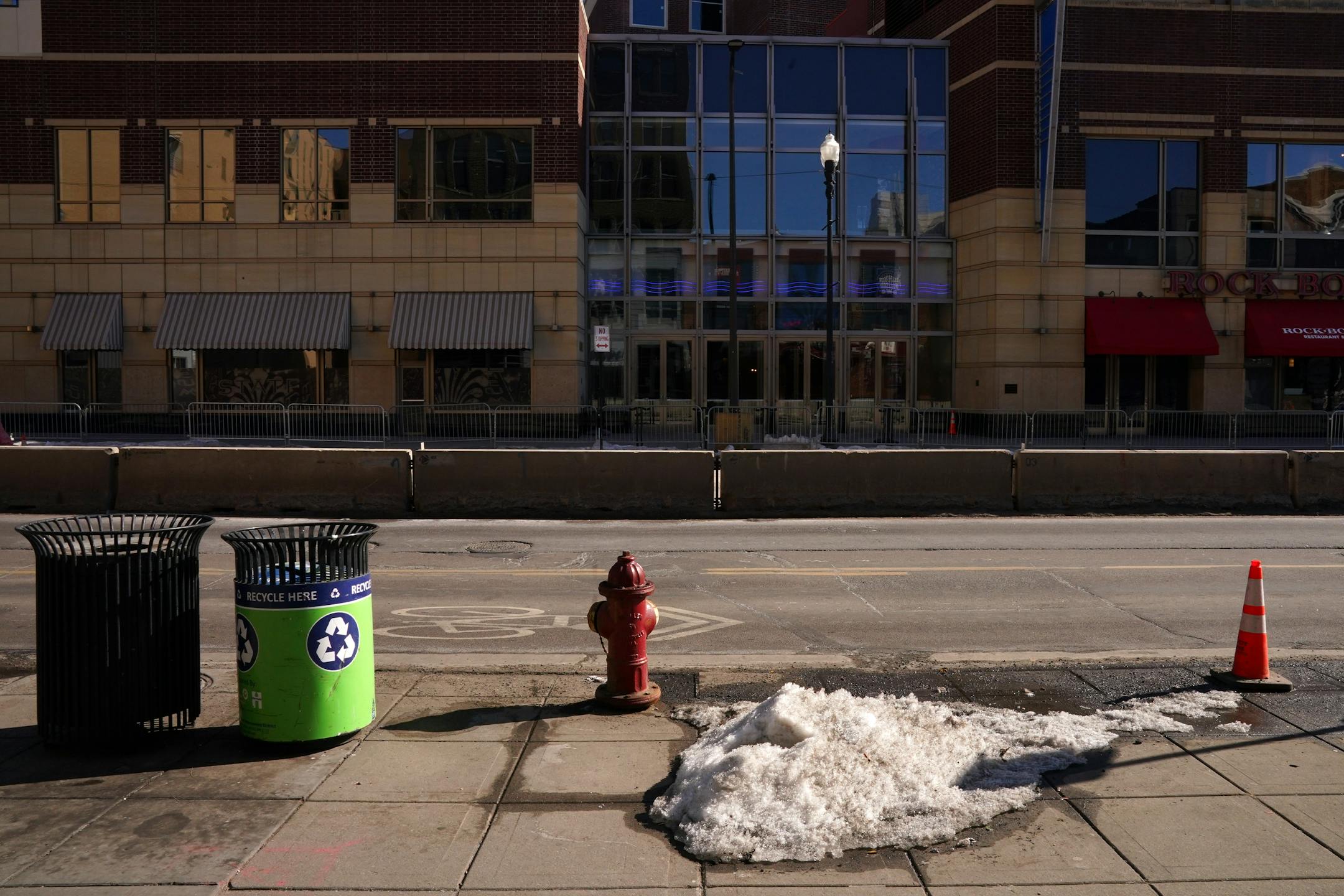
"While the redesign [of downtown Hennepin Avenue] added 118 trash and recycling containers, averaging almost 12 per block, no such zeal was dedicated to seating," Elizabeth Abramson writes. (Anthony Soufflé/The Minnesota Star Tribune)

Opinion editor’s note: Strib Voices publishes a mix of guest commentaries online and in print each day. To contribute, click here.

•••

Walk along Nicollet Mall or Hennepin Avenue in downtown Minneapolis, and you may come across one of three handcrafted wooden benches quietly installed by an informal group of Minneapolis residents branding itself as the Minneapolis Public Seating Authority. These three benches offer something rarely found downtown today — an invitation to sit and linger. They highlight a glaring reality: If we want a vibrant and accessible downtown, we need more public seating.

In the wake of the COVID-19 pandemic, with many storefronts shuttered and foot traffic still sparse, the inhospitable features of downtown’s design, including its sprawling superblocks and oversized intersections, are stripped bare for all to see. A serious lack of public seating compounds this sense of hostility.

Consider, for example, the redesign of downtown Hennepin Avenue between Washington Avenue and 12th Street, completed in 2022. The project’s webpage boasts that the redesigned corridor features “a sidewalk area with space for plants and furniture for pedestrians.” Of course, having space for seating is very different from actually having seating. Within the three-quarter-mile project corridor, the only public seating you are likely to find is at bus stops, which feature a small backless bench inside each shelter, and sometimes an additional bench adjacent to the shelter. Each bench seats two people, separated by an armrest. Along one of the city’s busiest transit corridors, these seats are not sufficient to accommodate existing transit riders, let alone all pedestrians who might need or want a place to rest.

The sense of lost opportunity along this corridor is striking. Beds of greenery that could have been ringed by benches are instead encircled by sharp-edged fences. Areas where benches could easily be installed without impeding foot traffic are left as barren swaths of concrete.

While the redesign added 118 trash and recycling containers, averaging almost 12 per block, no such zeal was dedicated to seating.

News coverage of the Hennepin redesign reveals that the decision to omit seating was largely due to opposition from local business and property owners concerned that benches would attract loitering and disruptive behavior. Members of the Minneapolis Pedestrian Advisory Committee criticized this decision as an example of the city’s systemic failure to recognize public seating as vital to a walkable public realm.

The issues observed by Hennepin business owners reflect real problems in our city, including a failure to ensure universal access to safe and stable housing, health care and economic opportunities. However, withholding public seating only punishes and degrades people who lack those resources, and harms everyone else in the process.

A lack of public seating disproportionately impacts older adults and people with disabilities, who may need more frequent rest as they navigate the city. As the principles of universal design suggest, adding more seating would benefit not just these groups, but everyone using the space — families with small children, tourists, shoppers and food truck patrons, to name a few. Adequate public seating can help catalyze a positive cycle of activity and investment by enabling more people to comfortably patronize businesses, attend events, and live and work downtown.

The Minneapolis Downtown Council’s 2035 Plan recognizes public seating as key to making downtown more active and inviting. With today’s lack of seating providing a blank slate, we have an opportunity to think creatively. Beyond meeting a basic need for rest, thoughtfully designed seating could help cement downtown as a destination with unique neighborhood character.

Of course, installing more seating will not single-handedly breathe life into downtown; people must also have an enticing variety and density of businesses to patronize, attractive places to work and affordable places to live. Further, adding seating does not solve the issues alluded to in discussions of loitering, whose symptoms are visible in public homelessness, substance use and mental health crises. Seating is simply one element of a multipronged approach needed to make downtown inviting and accessible to all.

To create a vibrant public realm, we must invest in infrastructure that accounts for a fundamental aspect of the pedestrian experience: the need to rest. By enabling more people to use public spaces, and providing an invitation to linger and enjoy them, abundant public seating can make downtown more enjoyable and accessible for everyone.

Elizabeth Abramson is a master of urban and regional planning student at the University of Minnesota’s Humphrey School of Public Affairs.

about the writer

about the writer

Elizabeth Abramson

More from Commentaries

See More
card image
Anthony Souffle/The Minnesota Star Tribune

TIF has metastasized into one of the most abused public financing mechanisms in the state. The whole concept should be revisited.

card image
card image