

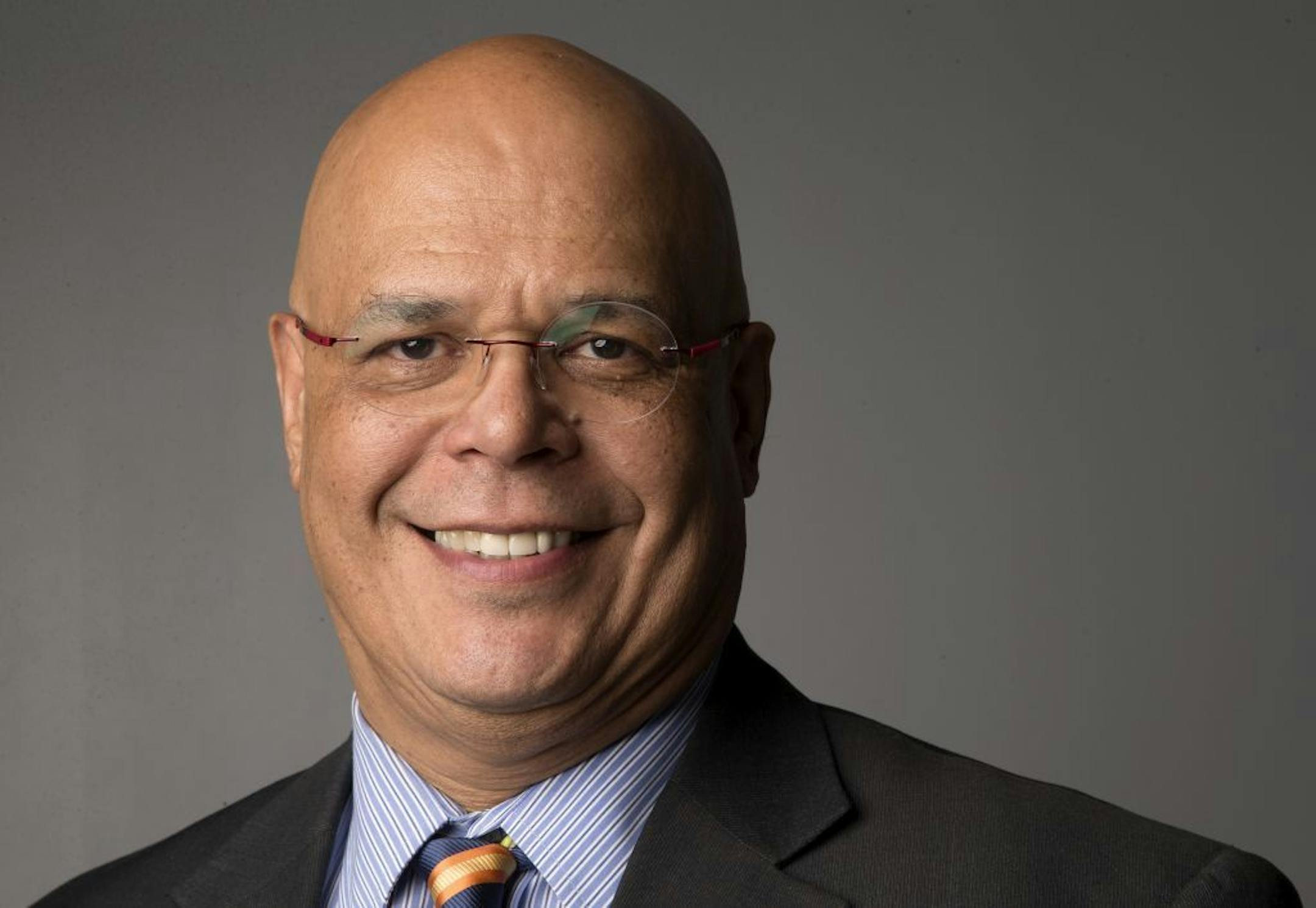
Keith Simons, a sales-and-management veteran of companies such as PepsiCo, Best Buy and Blue Rhino, is director of personal empowerment training at Twin Cities Rise, a North Side nonprofit business that helps mostly minority men with training and attitudinal improvement in order to improve careers and lives. TCR, founded in 1995 by former business executive Steve Rothschild, has trained 4,000 people. The average TCR student goes from making $5,000 to a salary of $27,000. Simons teaches students and trainers, including in state prisons and in businesses.
Q: What is Twin Cities Rise, and why is it important?
A: Twin Cities Rise is an anti-poverty job training program. Our mission is transforming lives through meaningful employment. Our vision is a community of empowered individuals, especially men of color, who achieve long-term job success to support their families. To achieve this … TCR has developed an innovative, long-term job training and placement program designed for those facing multiple barriers to achieving long-term self-sufficiency. Many have had trauma in their family and lives, particularly men in prison.
Q: What is personal empowerment training?
A: Personal empowerment is a personal skills training program that helps individuals make the internal changes necessary to transform their lives and their communities. It develops the skills needed for long-term success, including self-awareness, emotional regulation, self-esteem, empathy and relationship skills.
Q: Why is it important to the mission of TCR?
A: Steve Rothschild, our founder and board chair, discovered early on that technical skills were not enough to help our program participants keep the living wage jobs that they had secured. Feedback from the employers of our graduates was that many lacked the personal skills necessary to keep those jobs. Steve found a clinical psychologist to help him create the personal empowerment curriculum. Since implementing personal empowerment training, TCR's program participants have been able to achieve long-term success measures, such as income increases … an 82 percent job retention rate after 12 months and highly reduced [prison] recidivism rate. Further, TCR's 15-year return on investment is more than $7 received in benefits for every $1 invested by the state.
Q: Why does this work for prisoners, working poor and corporate executives?



