

In the hypercompetitive and ever-shifting world of national business rankings, the Twin Cities' cluster of medical device and life-sciences companies slipped a notch in 2012, but the area continues its stronghold as a medical device hot spot, according a recently released report.
It's unclear why the Twin Cities fell from eighth to ninth place on the national playing field. Compiled by the real estate services firm Jones Lang LaSalle, the report, which has a strong real estate focus, measures employment in high-tech research and in the hospital/medical fields, the number of life sciences establishments, and the prevalence of National Institutes of Health (NIH) and venture capital funding.
One hint is that the "life sciences" umbrella used in the report includes not only medical device firms such as Medtronic Inc. and St. Jude Medical Inc., but also pharmaceutical and biotech companies — which have never had a strong presence in the Twin Cities.
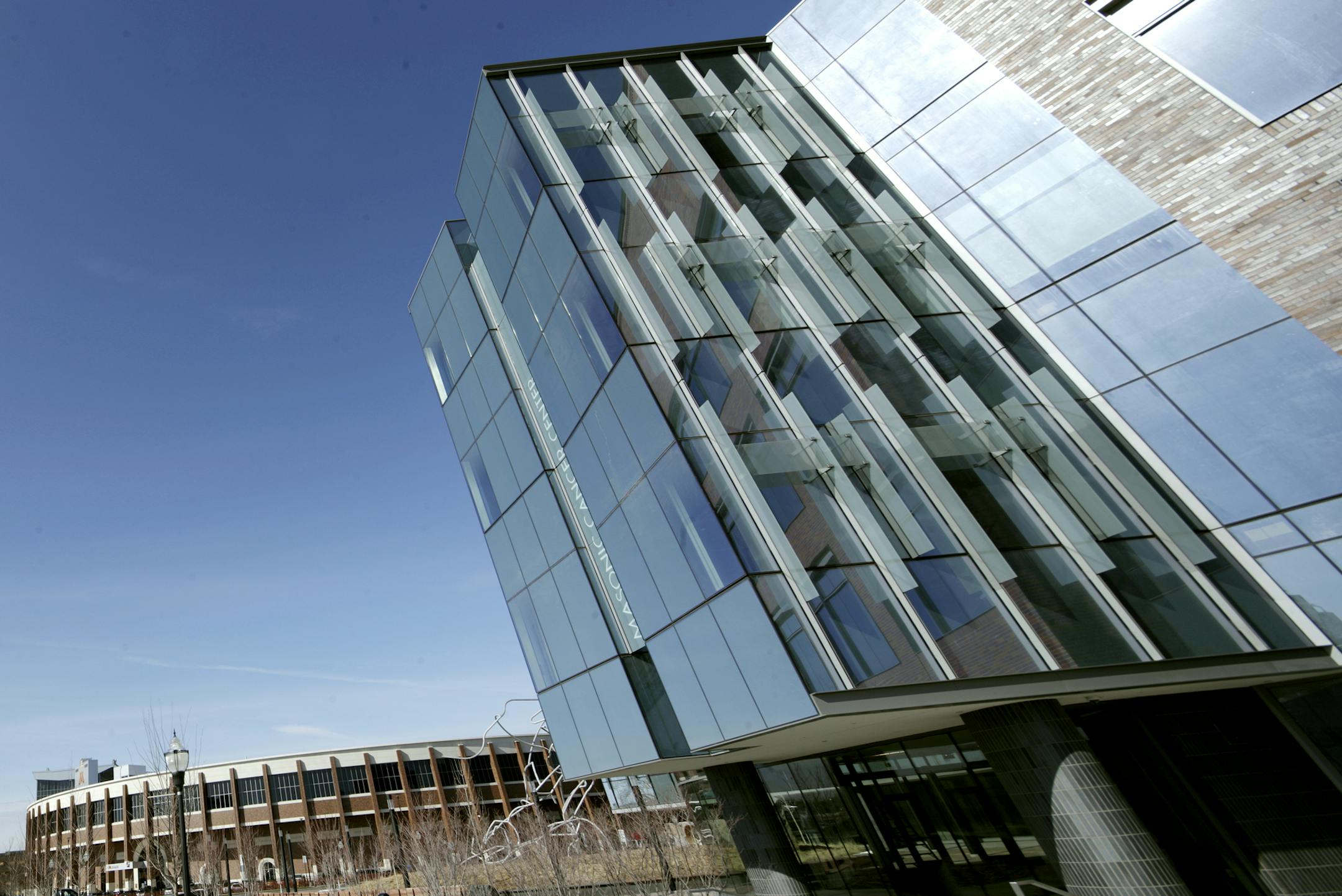
Still, a number of high-profile real estate projects in the field have taken root here in the past year, including the continued expansion of the Biomedical Discovery District at the University of Minnesota. So far, nearly $300 million has been invested in the district, including the $200 million Cancer and Cardiovascular Research Building on the East Bank campus, which is nearing completion.
Research institutions like the U serve as a magnet for R&D-focused organizations looking to either locate here or expand, said Chris Hickok, executive vice president of Jones Lang LaSalle's Minneapolis office. "The U is a big driver and a big employer, and research institutions tend to breed experienced employees," Hickok said. "They also help provide talent to start-up companies."
The Academic Health Center at the U receives more than $321 million annually in sponsored research, and has averaged slightly more than $230 million annually in NIH funding since 2002, the report points out.
The Twin Cities' ranking "is indicative of the size and strength of the cluster we have here in med-tech," said Ryan Baird, director of communications and marketing for Life Science Alley, a St. Louis Park-based industry group.
The industry, he added, has been facing "serious political and economic challenges" in recent years related to an excise tax on medical devices that is part of the Affordable Care Act, and a long-standing struggle with the Food and Drug Administration over the approval process for new products.
![University of Minnesota Cancer and Cardiovascular Research Building at 2231 6th Street SE, Minneapolis, MN on April 5, 2013. ] JOELKOYAMA•joel koyama@startribune.com](https://arc.stimg.co/startribunemedia/PE6SZ4BROTDBGSTPSENFCIHI5Y.jpg?&w=1080)



