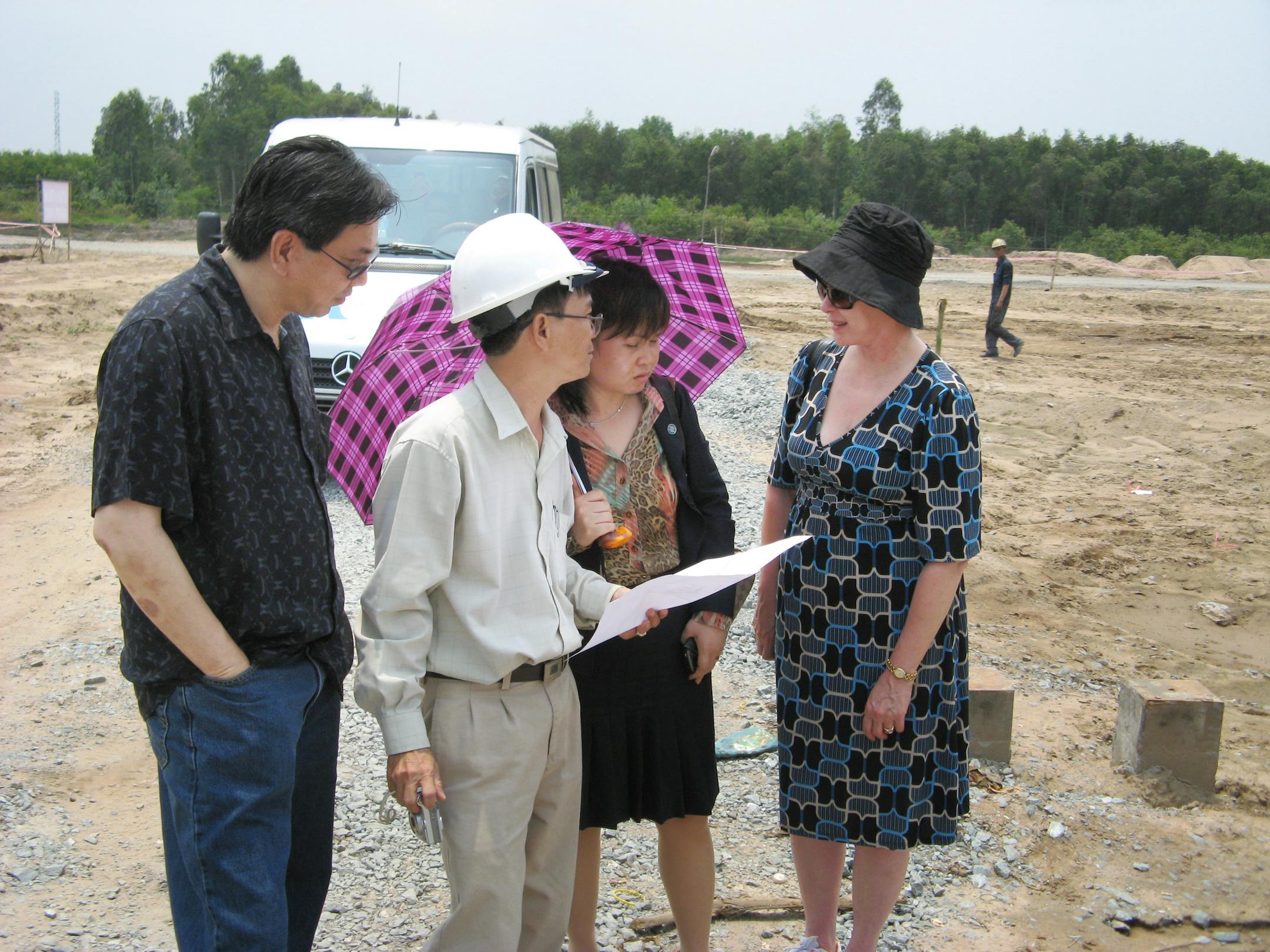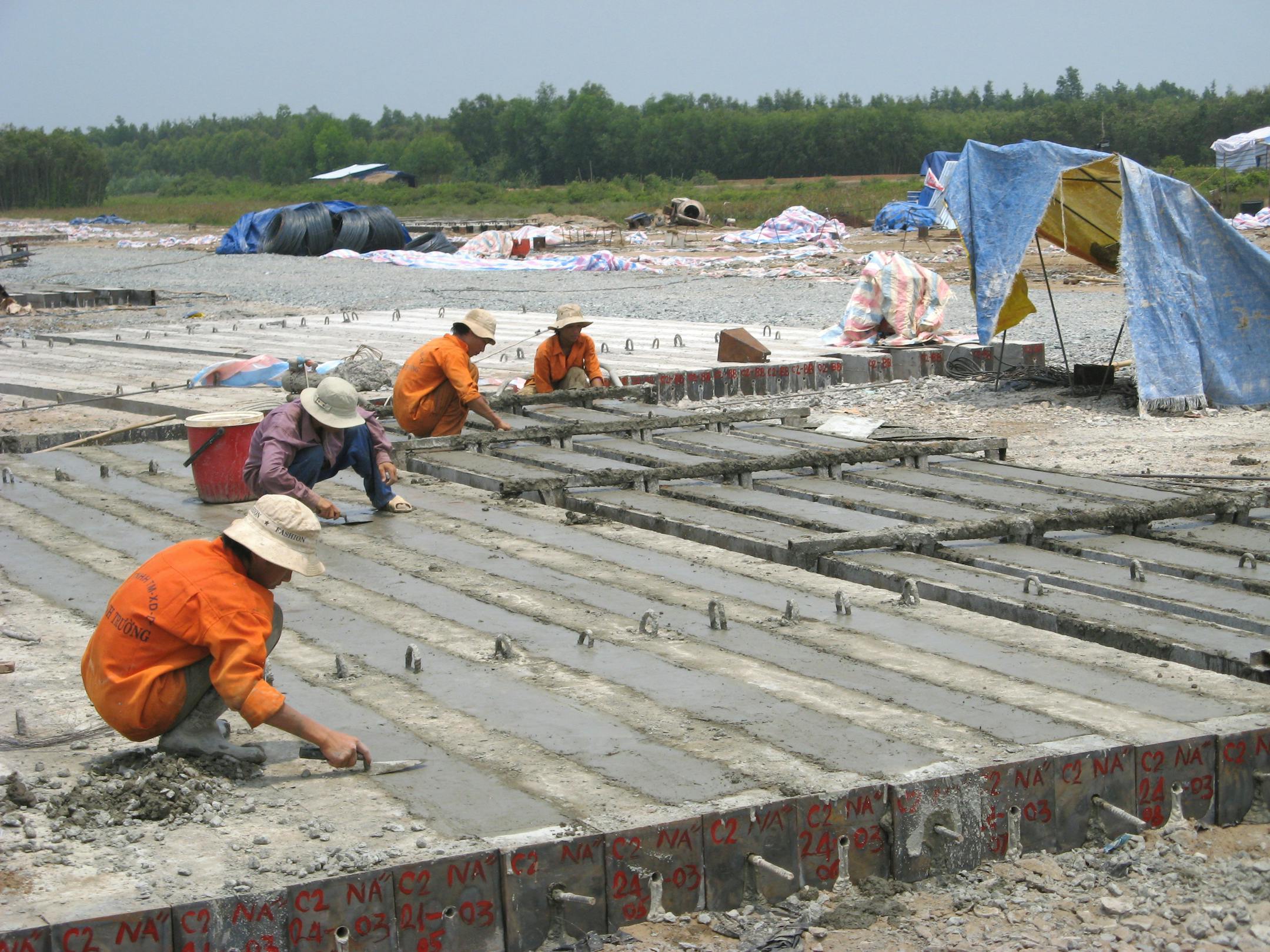
HO CHI MINH CITY, VIETNAM - One day last month, businesswoman Poldi Gerard, her project manager, engineers and bankers poked around a construction site about 25 miles northwest of town. Dozens of construction workers were fabricating pilings that were being pounded into the ground by huge pile drivers, the first footings in a $52 million complex that will eventually employ 600 workers who will process 1,200 tons of garbage daily into rich organic fertilizer for sale to farmers.
The town is Ho Chi Minh City, also known by its historic name: Saigon.
To most Americans, it is still the place from which the last U.S. troops pulled out more than a generation ago after 10 years of battling North Vietnamese and Viet Cong troops bent on unifying their country under Communist rule.
I've long been fascinated by Vietnam. So when I had the chance to travel there recently, with immigrant acquaintances born there, a former Army captain who fought there in 1967-68 and to visit a Minneapolis-based company building there, I jumped at the chance.
Today, Saigon is the commercial hub of the fastest-growing country in Asia, behind China.
Once a war-torn, dirt-poor nation, Vietnam, since 1995, has opened its economy to trade and investment with the West and moved more than half its 83 million people from poverty to working-class status through an explosion in manufacturing, agriculture and rapid development in Saigon and Hanoi. And Vietnam, although belatedly, is determined to pace its economic growth with progressive environmental management, said Pham Van Hai, a scientist who heads the Center for Environmental Science and Sustainable Development in Hanoi.
One big sign: the 2005 accord between Gerard's company, Minneapolis-based Lemna International, through its Vietstar subsidiary, and Saigon's Department of Natural Resources and Environment for Lemna to finance and construct a garbage-to-compost plant that will eventually consume 1,200 tons daily of the city's garbage.
"This project is the first in Vietnam to make use of rubbish," said Do Thu Ngan, the lead lender and CEO of Saigon-based Sacombank Leasing Co., and a graduate of the University of Washington. "Vietnam now imports fertilizer and plastic. The garbage becomes fertilizer and the plastic from the bags will be recycled into pellets that will be sold to the plastics industry," she said. "Both products replace imports, and this addresses an environmental issue in Vietnam."