Twin Cities suburbs face new fights, lawsuits over Airbnb rentals

Bloomington and Apple Valley face lawsuits over Airbnb rules, while Wayzata and St. Anthony are among the cities considering bans.

The Minnesota Star Tribune
September 3, 2025 at 11:00AM
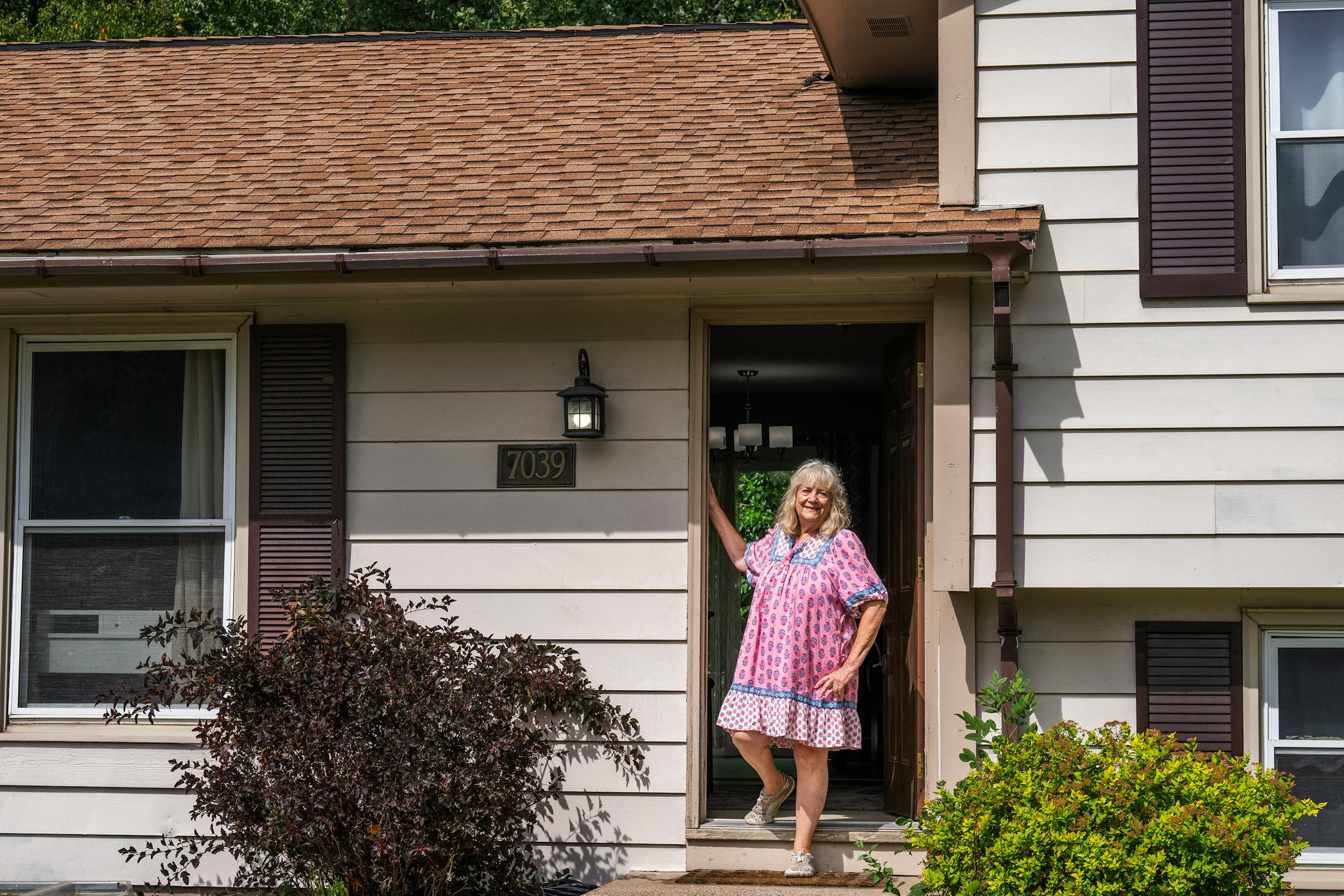
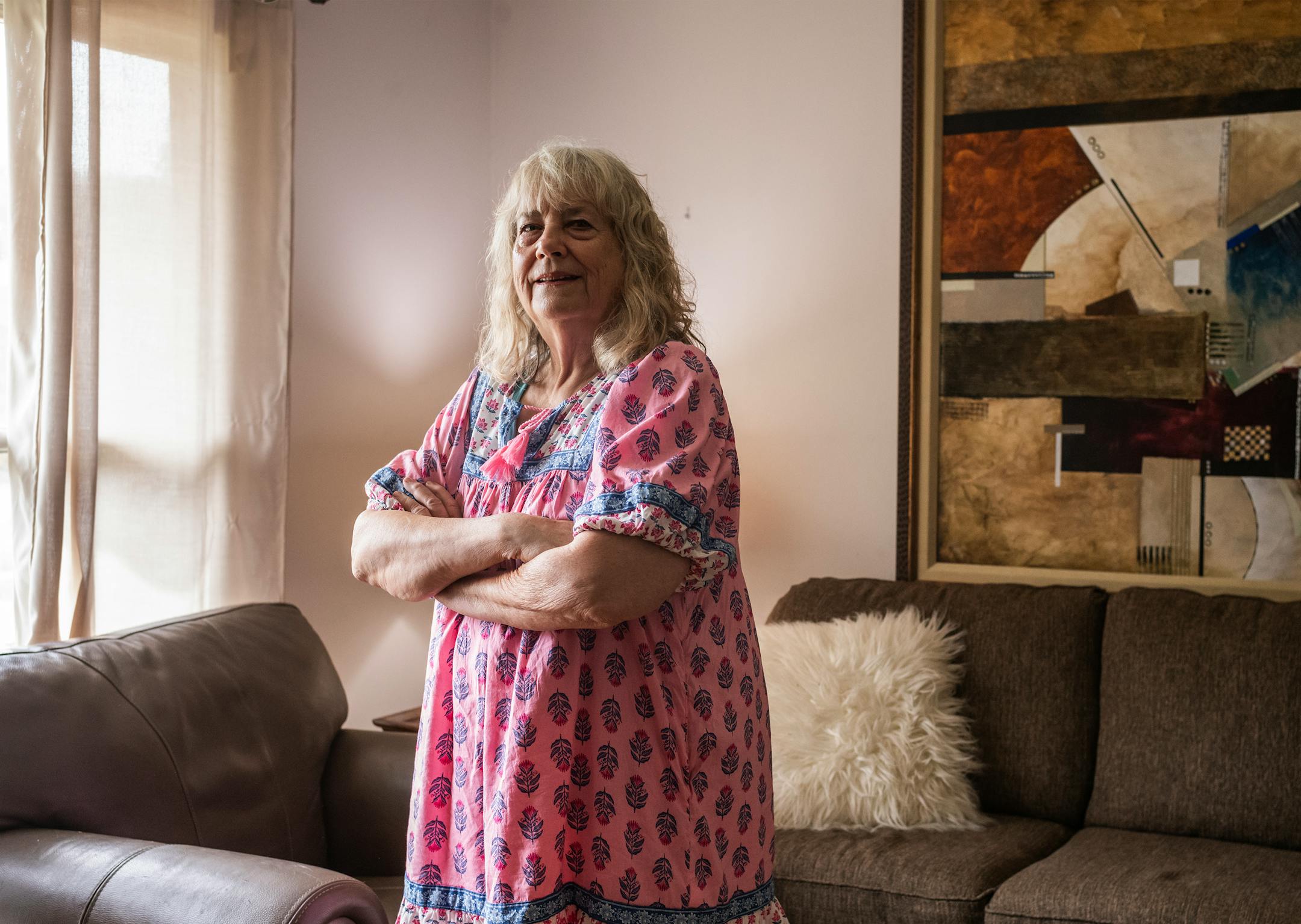
Real estate agent Connie Toupin shows one of the houses that she can only offer for long-term rental under current rules. She is suing Bloomington and Apple Valley over their bans on short-term rentals. (Richard Tsong-Taatarii/The Minnesota Star Tribune)

Longtime real estate agent Connie Toupin spent thousands of dollars remodeling homes in Apple Valley and Bloomington in hopes of listing them on Airbnb.

Then the cities’ short-term rental bans stymied her plans.

“I think there’s more of a fear that’s built up against Airbnbs,” Toupin said.

Short-term rentals are spurring passionate debates in suburban city halls this summer, as some residents plead with officials to ban them and others urge them to instead adopt new regulations aimed at weeding out troublesome operators.

Toupin is suing Bloomington and Apple Valley over their bans. Wayzata and St. Anthony are among the cities considering prohibiting short-term rentals. Blaine is mulling new rules, and Excelsior set new penalties for violations of its existing ordinances.

The debates — landing in city officials’ inboxes and unfolding in public meetings — have raised tough questions for local leaders, who find themselves trying to balance neighbors’ concerns about quality of life with rental owners’ property rights.

“Airbnb basically took bed and breakfasts and turned it on its head and said, ‘Now, we’re going to make it easier for someone to rent and someone to find it,’ but it’s a commercial activity in what is traditionally a residential neighborhood,” said Wayzata Mayor Andrew Mullin, who favors regulation over an outright ban. “That is the crux of the problem.”

Debating new rules

The Twin Cities metro area — including Minneapolis, St. Paul and surrounding suburbs — is seeing strong demand for short-term rentals, said Bram Gallagher, director of economics and forecasting for the analytics firm AirDNA, which compiles short-term rental data, including from Airbnb and VRBO.

The number of short-term rentals in the area peaked around 10,000 in 2018, just before Minneapolis hosted the Super Bowl, and dropped during the COVID-19 pandemic, according to the firm’s data; it now hovers around 4,000 available units. Of them, about 13% are professionally managed, Gallagher said.

“It still remains a mom and pop business,” he added.

Some cities, including Blaine, have been treating short- and long-term rentals the same. But that could change as city officials consider whether to pass new restrictions.

Excelsior, which requires operators to obtain a license, set penalties for violations at $1,000 per day, with the goal of encouraging a few unlicensed hosts to get one, City Manager Kristi Luger said.

St. Anthony officials are weighing an ordinance clarifying that short-term rentals are prohibited. The council could also limit them to properties where the owner lives on site or next door.

Their decision will have big implications for residents like Paul White, who bought the one-bedroom house next to his home and has been renting it out to people who want to stay in the suburb for a few days.

White said he’s lucky if he breaks even, but believes the property provides an experience that traditional hotels can’t.

“It’s not people coming to a tourist destination. It’s people coming to visit family or friends in the neighborhood,” White said. “I like to summarize it this way: Neighbors don’t want to send grandma to the Holiday Inn in Roseville.”

If the city bans short-term rentals, White said he will need to sell the property or convert it into a long-term rental.

Short-term vs. long-term

Wayzata, home to just over 4,000 people, has 17 licensed short-term rental units. Some of them are clustered on residential streets just blocks away from downtown and Lake Minnetonka. Some nearby yards bear signs of protest that say “neighborhoods are for neighbors.”

In written comments submitted to the City Council, opponents said they believe short-term rentals are better suited for commercial or mixed-use areas. Some residents said they’ve had trouble with parking, parties or public intoxication.

A spokesperson for Airbnb said the company works with local officials to enforce its ban on disruptive parties and provides noise sensors to hosts. The company said it has collaborated with local governments to adopt rules for short-term rentals and most of its top markets have some form of regulation in place.

Still, some residents argue that the mere presence of short-term rentals can change the dynamics of their neighborhood. Some suggested rentals should be limited to longer-term leases above 30 days.

“Unless you live next to a [short-term rental], you may not realize the harm they inflict on neighborhoods,” said Janet Baker, who lives near some of the Airbnbs in Wayzata. Baker added that short-term guests might be less likely to volunteer in the area or look out for neighbors.

In a public meeting earlier this month, most council members appeared to favor banning short-term rentals — though some left open the possibility they could still be swayed. The council is tentatively scheduled to discuss the issue again in September.

“I think, above all, this kind of loss of neighborhood character, whatever we do with an ordinance needs to address this head on,” Wayzata Council Member Ken Sorensen said.

Sending a message

In public meetings, officials in some cities have said they’re trying to strike a careful balance and minimize the chances they will also be sued.

Toupin spent about $45,000 remodeling a four-bedroom split-level house in Apple Valley and about $35,000 updating a duplex she owns in Bloomington. In her lawsuits, she says she charges between $250 and $300 per day for longer-term rentals at those locations but could list a short-term rental for between $350 and $400 per day.

Real estate agent Connie Toupin shows one of her rental properties, in Apple Valley. (Richard Tsong-Taatarii/The Minnesota Star Tribune)

She said she’s had guests, such as traveling nurses, stay for one or two months, but then the house is often left empty for months at a time as she waits for another longer-term renter.

“It’s not profitable to have a property sitting there that long,” she said. “And I’ve got such a demand for young couples being able to stay by the Mall of America.”

A spokesperson for the city of Bloomington declined to comment, citing the lawsuit.

Apple Valley City Administrator Tom Lawell also declined to comment, except to say: “Just to clarify, the city of Apple Valley has never allowed short term rentals in the city. The ordinance revisions that the city adopted in 2023 simply made that more explicit.”

Toupin, meanwhile, hopes that other cities are watching.

“I want to see a precedent set so other cities are not continuing to pass these laws,” Toupin said. “All of the cities think they have to start passing them because their neighbors are doing it.”

about the writers

about the writers

Liz Navratil

Reporter

Liz Navratil covers communities in the western Twin Cities metro area. She previously covered Minneapolis City Hall as leaders responded to the coronavirus pandemic and George Floyd’s murder.

See Moreicon

Sarah Ritter

Reporter

Sarah Ritter covers the north metro for the Minnesota Star Tribune.

See Moreicon