The Economist
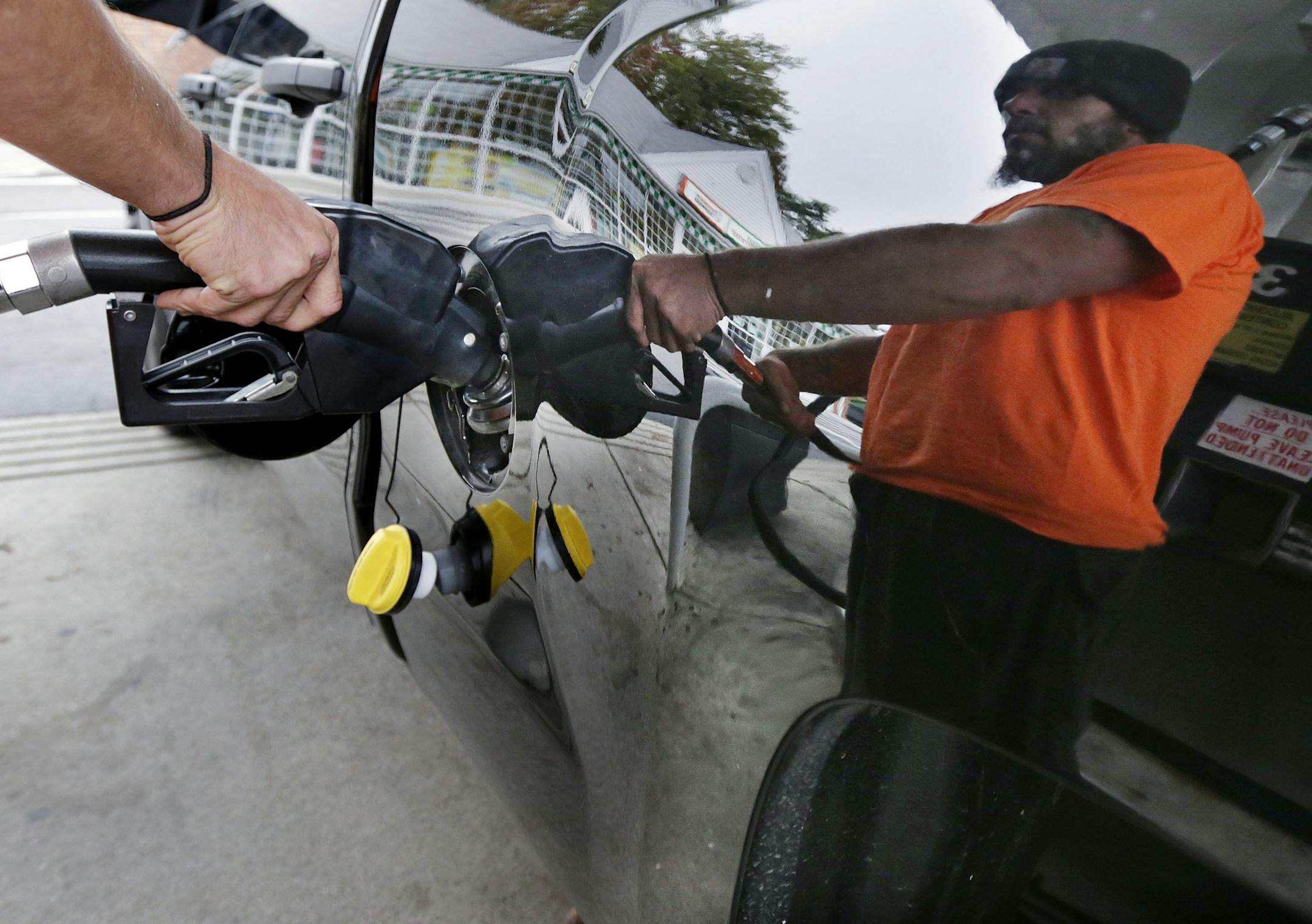
This has been a nerve-racking summer for oil companies. Since June the price of a barrel of Brent crude oil — the global benchmark — has slumped from $115 to $92, a decline of 20 percent and the lowest for more than two years. That drop is partly thanks to economic weakness. Growth is slowing, particularly in China and the eurozone, reducing oil consumption with it. The International Energy Agency (IEA), U.S. Energy Information Administration and OPEC all recently lowered their forecasts for global oil demand.
But there is also a growing glut of supply. America's output of shale oil has risen by around 4 million barrels a day since 2008, cutting U.S. imports from OPEC almost by half. The club of oil exporters itself is in disarray. Saudi Arabia, the cartel's dominant producer, unilaterally and unexpectedly cut its official prices Oct. 1 to shore up its global market share. The kingdom had already trimmed them earlier in the northern summer, as had Kuwait and Iraq. Most Middle Eastern OPEC members are now engaged in a price war in Asia.
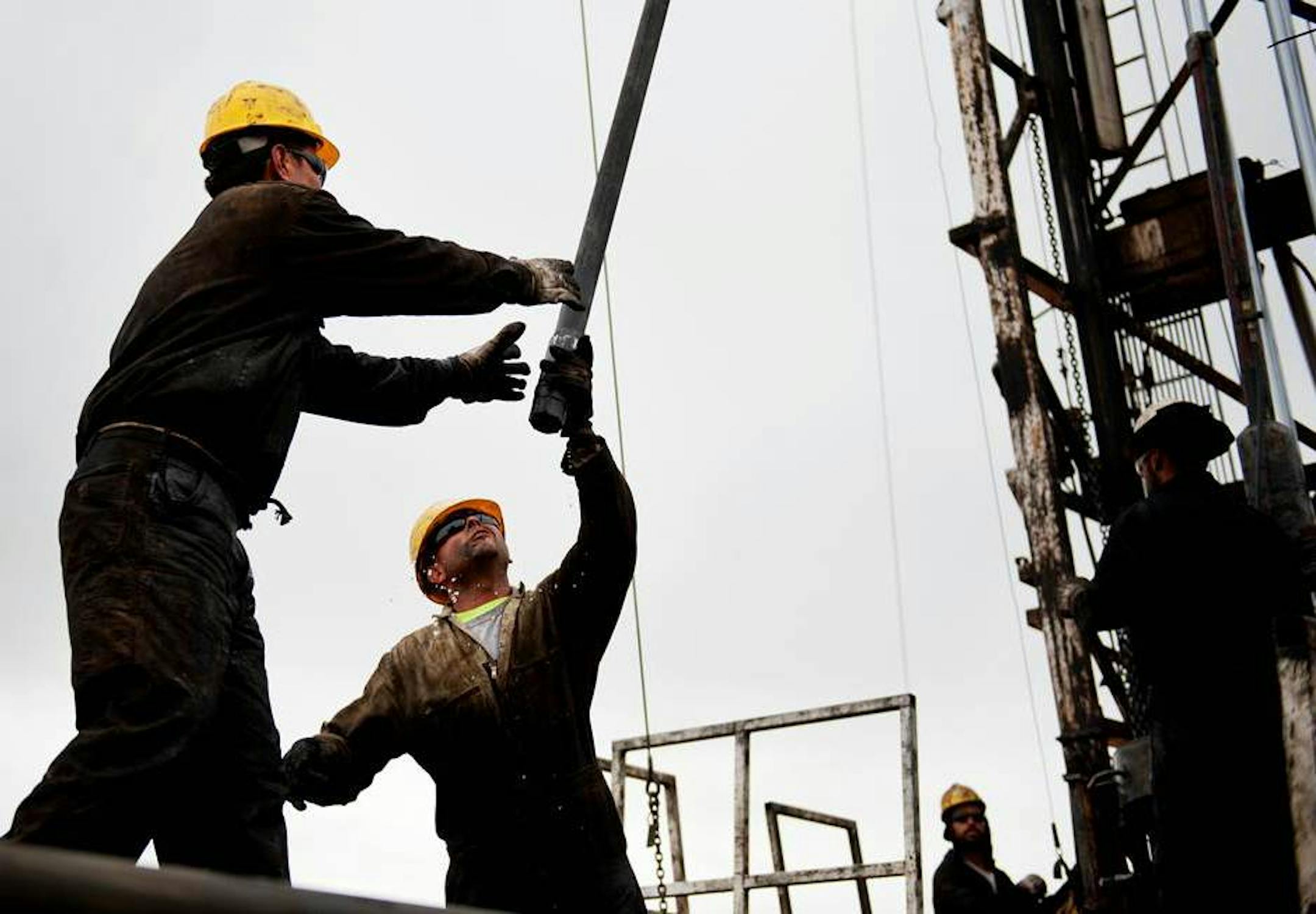
All this is dire news for companies in the exploration and production (or "upstream") part of the industry, many of whose strategies have been built around far higher oil prices. After plunging below $35 during the 2008-09 recession, the price of Brent had recovered to $128 a barrel by spring 2012. The oil firms responded by pouring cash into all sorts of projects, from U.S. shale to deepwater fields in the tropics. Analysts at EY, a consulting firm, estimate that the world's energy companies are currently bankrolling 163 upstream "megaprojects" — those costing more than $1 billion apiece — worth a combined $1.1 trillion dollars. Most big projects have been planned around the assumption that oil would stay above $100 — a notion that in recent years has become an article of faith in the industry.
'Resource nationalism'
Falling prices are not the industry's only headache. Locked out of many of the lowest-cost fields by "resource nationalism" in the countries that own the reserves, the oil firms have been pushed into more technically difficult prospects. So capital spending has soared — even as production has slowed for many publicly listed oil majors.
Demand for oil-field equipment and services has outstripped supply, which has also increased development costs. Even before the latest swoon in oil prices, overall costs had been outstripping revenues by 2-3 percent a year. The result is that nearly half of the projects the industry has under development will need oil prices greater than $120 a barrel to achieve positive cash flow.
Although the published profits of many of the world's biggest oil majors have remained relatively buoyant this year, they do not reflect the recent fall in the price of crude. Nor do they reflect the industry's current panic.
The industry is cutting back on some megaprojects, particularly those in the Arctic region, deepwater prospects and others that present technical challenges. Shell recently said it would again delay its Alaska exploration project.