

WASHINGTON — President-elect Donald Trump and his Republican allies had spent months seeding doubt in the integrity of American voting systems and priming supporters to expect a 2024 election riddled with massive and inevitable fraud.
The former president continued laying that groundwork even during a mostly smooth day of voting Tuesday, making unsubstantiated claims related to Philadelphia and Detroit and highlighting concerns about election operations in Milwaukee. Shortly before polls began closing, he took to his social media platform to announce, without providing details, ''A lot of talk about massive CHEATING in Philadelphia.'' The declaration produced immediate denials from city leaders who said there was zero evidence of any wrongdoing.
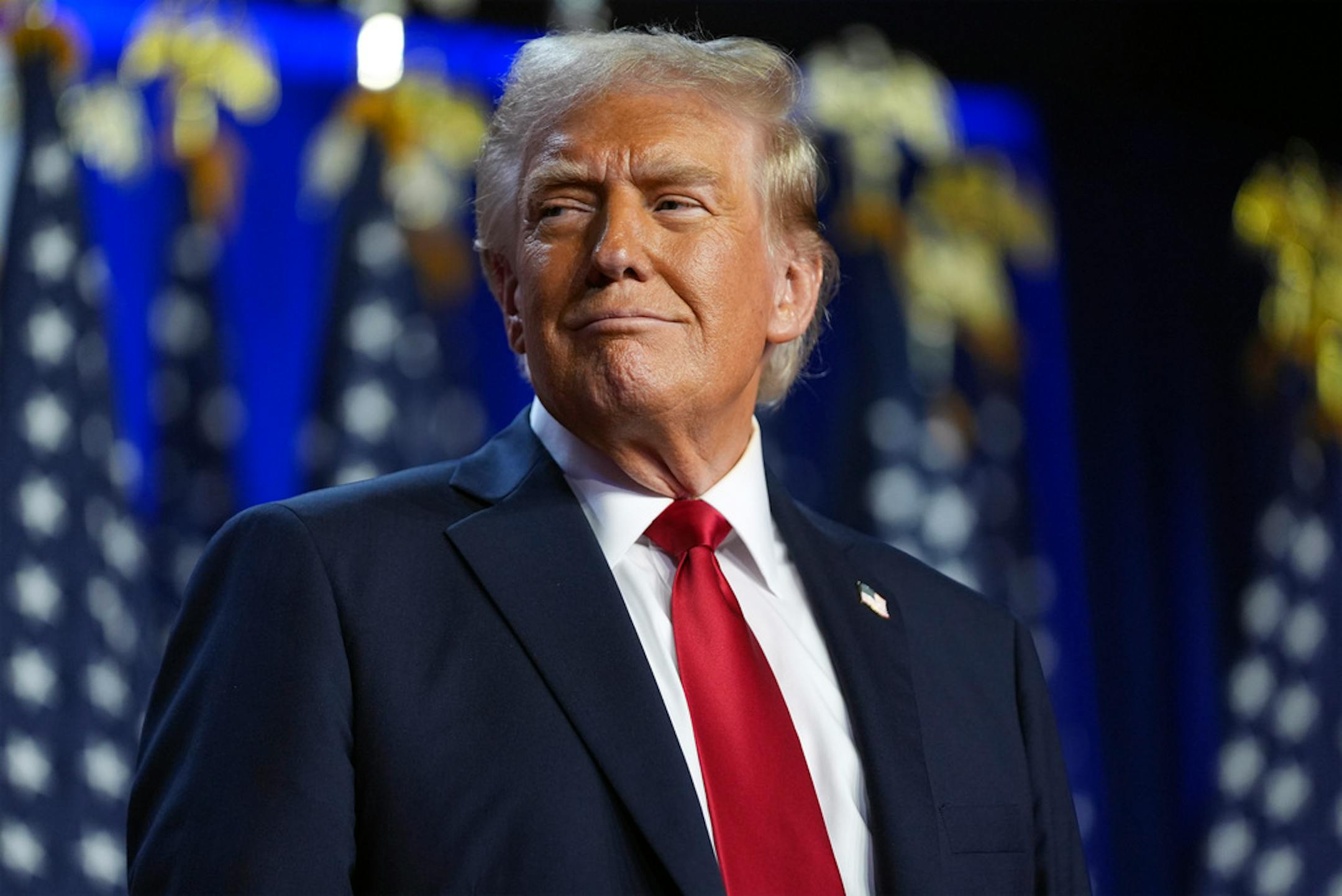
Yet Trump's grim warnings abruptly ended in the later hours of the evening as early returns began tipping in his favor. During his election night speech, the president-elect touted a ''magnificent victory'' as he claimed ownership for the favorable results and expressed love for the same states he'd questioned hours earlier.
The messaging pivot was part of a Trump playbook that many in his party have adopted: To preemptively defy a loss with claims of widespread cheating but be ready to quickly disregard them in the event of a win.
In 2020, when he lost to Joe Biden, Trump carried out the other side of that strategy — spending the following four years doubling down on the false notion that the election was stolen, straining to convince supporters he was the rightful winner. The campaign was successful in changing minds: Polls show that more than half of Republicans still believe Biden was not legitimately elected in 2020.
In the weeks and months leading up to Tuesday's election, many Trump supporters propped up supposed evidence of fraud that they stopped highlighting when it became clear Trump was in the lead.
Several Republicans in Congress had also fought to require proof of citizenship for voter registration and argued there was no way the election could be fair without that extra layer of security. Yet the biggest proponents of the legislation congratulated Trump overnight without repeating those concerns.
It's become a common trope to see candidates only focus on claims of potential fraud if they've lost or believe they will lose, said David Becker, a former U.S. Justice Department lawyer who serves as executive director of the Center for Election Innovation and Research.


