

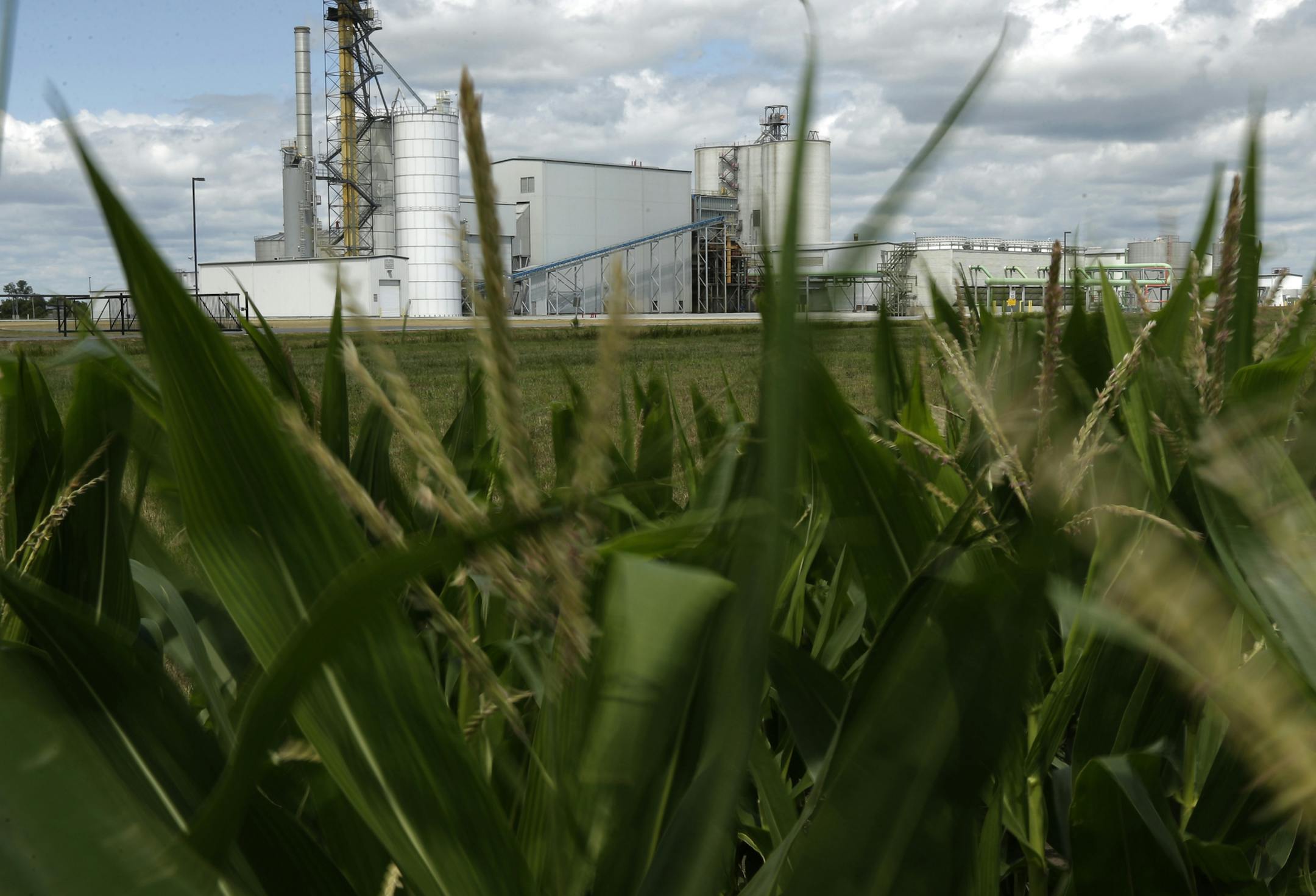
President Donald Trump, looking to shore up support in the Farm Belt during a tight race for re-election, is taking steps to help producers of corn-based ethanol using a list of policy goals that a group of Midwest senators discussed with him a year ago, according to two sources familiar with the matter.
On Sept. 12, 2019, Trump met with the senators, who were frustrated by the administration's management of U.S. biofuels policy. They argued that the Environmental Protection Agency had been helping the oil industry at the expense of farmers dependent on ethanol sales, and presented him with a list of ways he could fix the problem, according to five sources familiar with the matter.
Following that meeting, Trump announced progress had been made on a biofuel reform package, but gave no details. "I think we had a great meeting on ethanol for the farmers," Trump told reporters at the White House. "Let's see what happens."
A year later, Trump and his administration have begun chipping away at the industry's wish list, using the meeting as a blueprint to court farmers in Minnesota and other parts of the Midwest, according to sources.
Trump is battling former Vice President Joe Biden, a Democrat, to stay in office.
The 2019 meeting, which included Sens. Chuck Grassley and Joni Ernst from Iowa and John Thune and Mike Rounds from South Dakota, produced a list of 11 policy items, according to one of the sources and a memo from the meeting reviewed by Reuters.
They included ratcheting down the EPA's biofuel waiver program exempting refineries from adding ethanol to their gasoline; setting higher biofuel blending volume requirements for 2020; expanding the market for higher ethanol blends of gasoline called E15; exploring a national biofuels infrastructure program; and addressing ethanol and biodiesel trade issues, particularly with Brazil, according to the memo — the details of which have not previously been published.
In recent weeks, Trump has moved on some of these goals, using them as a battle plan for his election strategy in the Midwest, according to two sources.


