
Counterpoint | Trump is driving up Minnesotans’ electric bills

Walz’s “100% clean energy by 2040” electricity law is a flexible, forward-looking plan.

October 20, 2025 at 7:48PM
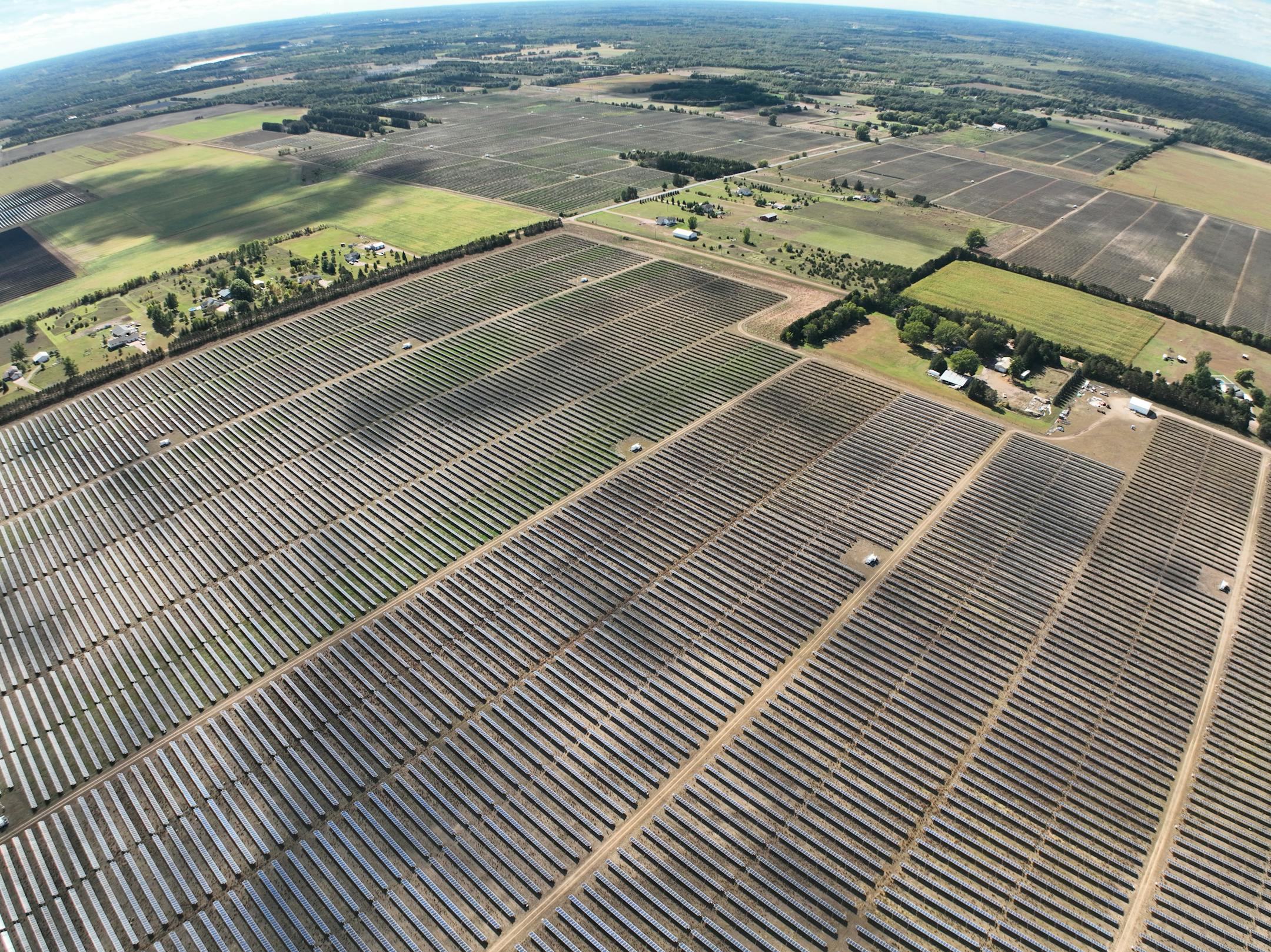
"Over the last 12 months, electricity prices have risen 6%, more than twice the overall rate of inflation. Natural gas has gone up a whopping 14%. That kind of volatility is exactly what happens when a nation relies too heavily on fossil fuels," Pete Wyckoff writes. Above, the North Star Solar project covers 1,000 acres in Chisago County with more than 440,000 panels. (Brian Peterson/The Minnesota Star Tribune)

Opinion editor’s note: Strib Voices publishes a mix of guest commentaries online and in print each day. To contribute, click here.

•••

I was disappointed to read Annette Meeks’ Oct. 9 commentary “Minnesotans cannot afford four more years of Walz energy policy.” She gets it almost entirely wrong.

Yes, energy prices are rising. And yes, whenever energy prices rise, the cost of everything rises — farming and manufacturing are energy-intensive processes. But it is President Donald Trump, not Gov. Tim Walz, who is steering us in the wrong direction.

Over the last 12 months, electricity prices have risen 6%, more than twice the overall rate of inflation. Natural gas has gone up a whopping 14%. That kind of volatility is exactly what happens when a nation relies too heavily on fossil fuels. In contrast, wind and sunshine are free — and abundantly available right here in Minnesota — which is the main reason they are the cheapest way to add new electricity generation. A recent analysis in Politico backs this up: States that are adding more renewables have lower electricity prices.

Countries and states across the political spectrum understand this, and that is why they have invested heavily in renewables. Denmark gets 63% of its electricity from wind and solar. In Iowa, it’s 59%. In South Dakota, 52%. Maine, 36%. Minnesota is no slouch, but at 29% we are considerably behind these leaders. But that number is growing thanks to Walz’s clean energy leadership.

Critics like Meeks try to revive tired talking points, dismissing wind and solar as “intermittent.” Energy planners are keenly aware of this characteristic and plan for it (yes, solar energy has a daily problem called “night”). Increasingly, cheap grid batteries paired with wind and solar resources are proving to be a remarkable solution.

Walz’s “100% clean energy by 2040” electricity law is moving us toward a cheaper, cleaner electric system. At least one comprehensive modeling study suggests that the cheapest energy system for Minnesota would come from over 90% clean electricity. And the 2040 law has safeguards that will keep prices in check if going to 100% proves too costly. In short, it’s a flexible, forward-looking plan. The problem isn’t Walz — it’s Washington. So how is Trump driving up your electric bill?

By cutting federal renewable energy credits

For decades, fossil fuels have been subsidized in the U.S. tax code. Only recently have renewables been given similar tax credits. But now, an ill-advised new law will phase out those renewable tax credits over the next two years (while leaving fossil fuel subsidies intact), despite broad public and bipartisan support. The result? Wind and solar will still be the cheapest way to generate new energy, but it will cost an additional $7 billion for Minnesota’s regulated utilities alone. And Minnesotans will feel that difference on their electric bills.

With illegal attempts to cancel existing energy grants

Minnesota has secured more than $3 billion in federal energy grants — much of it from the Bipartisan Infrastructure Law of 2021 — to modernize the grid, lower costs and create jobs. These are legally binding contracts. But the Trump administration is trying to cancel them — an unprecedented move that would cost our state billions in investments and lead to less reliable service, higher prices and fewer jobs.

By forcing coal plants to stay open

The Trump administration is also trying to force utilities to keep old, expensive coal plants running — even when they are no longer needed and scheduled to close. They are issuing tariffs and executive orders aimed at blocking the transition away from expensive fossil fuels. One example is the J.H. Campbell Coal plant in Michigan, which was scheduled to close but has been ordered to stay open — a move that could cost its customers an extra $280 million each year. Worse yet, Minnesota customers are being asked to help cover the bill.

Minnesota’s clean energy transition will deliver cleaner, cheaper and more reliable power. Annette Meeks has it exactly backward. It’s not Walz’s policies that we cannot afford. What we cannot afford are Trump’s efforts to drag us back to the past and drive up your electric bills.

Pete Wyckoff is deputy commissioner, Division of Energy Resources, in the Minnesota Department of Commerce.

about the writer

about the writer

Pete Wyckoff

More from Commentaries

See More
card image
Anthony Souffle/The Minnesota Star Tribune

Decades ago, the National Guard was called in to help desegregate schools in Arkansas. It could be used again today to stabilize schools amid fears about ICE enforcement.

card image
card image