

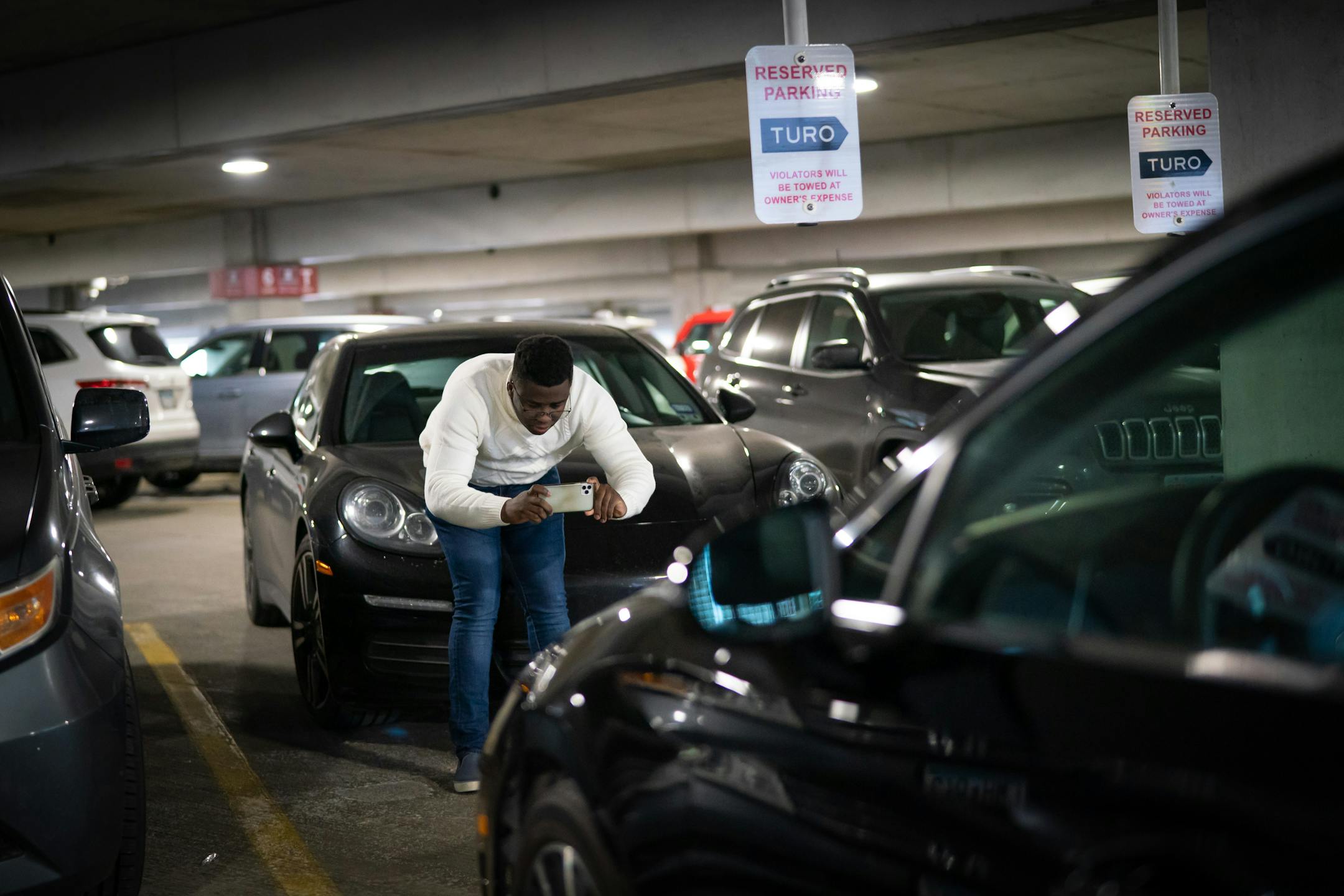
Q: I rented a car through Turo in Edmonton, Canada, and returned it in the same condition, but the host accused me of causing a scratch. The car was covered in mud when I picked it up, making it impossible to inspect for existing damage. At drop-off, it was dark and snowy, and my phone was dying, so my photos were too dim to prove anything.
The host admitted that the damage could’ve happened after I left the car in an unsecured parking spot. He refused to meet in person to discuss the alleged damage. He rented the car out again immediately, and Turo backed his $1,200 claim despite mechanics saying that the scratch was minor.
Turo ignored my evidence and raised the charge by $400 for “hidden damage” that was found after other renters used the car. As a student living on less than $2,000 a month, this fee is devastating. Did I just become a victim of a Turo scam?
A: Turo, which is like Airbnb for cars, should have ensured that the host followed its own policy requiring vehicles to be clean at pickup. A dirty car prevented you from documenting pre-existing damage, violating the company’s terms.
Alberta’s Consumer Protection Act also requires businesses to act in good faith, which Turo ignored by rubber-stamping blurry photos and refusing to address your evidence.
But you made a few mistakes, too. First, you shouldn’t have accepted a muddy car. If you had no choice, you should have spoken with your Turo host about the difficulty of documenting any pre-existing damage. (For me, knowing what I know about damage claims, I would have been highly reluctant to accept anything other than a written waiver from the host.)
You should have taken better photos at drop-off. But the host’s refusal to allow an inspection tilted the process unfairly.
I agree with Turo and the host on one issue. If a renter damages a car while they have it — even if it’s not their fault — they are responsible.


